Natural Henna Dye: How to Nail Your Color and Keep Your Hair Healthy
Tried henna but your color doesn’t last or your hair feels dry? We’ve got the ultimate guide to choosing the right henna, applying it properly, and using natural treatments to keep your color vibrant.
Tired of harsh chemical dyes that damage your hair? Natural Moroccan henna offers a healthy alternative, but we all know switching to plant-based color isn’t always straightforward. Uneven color, dry hair, tricky upkeep… Honestly, that’s what no one tells you before you take the plunge.
Why Natural Henna Can Be a Game-Changer
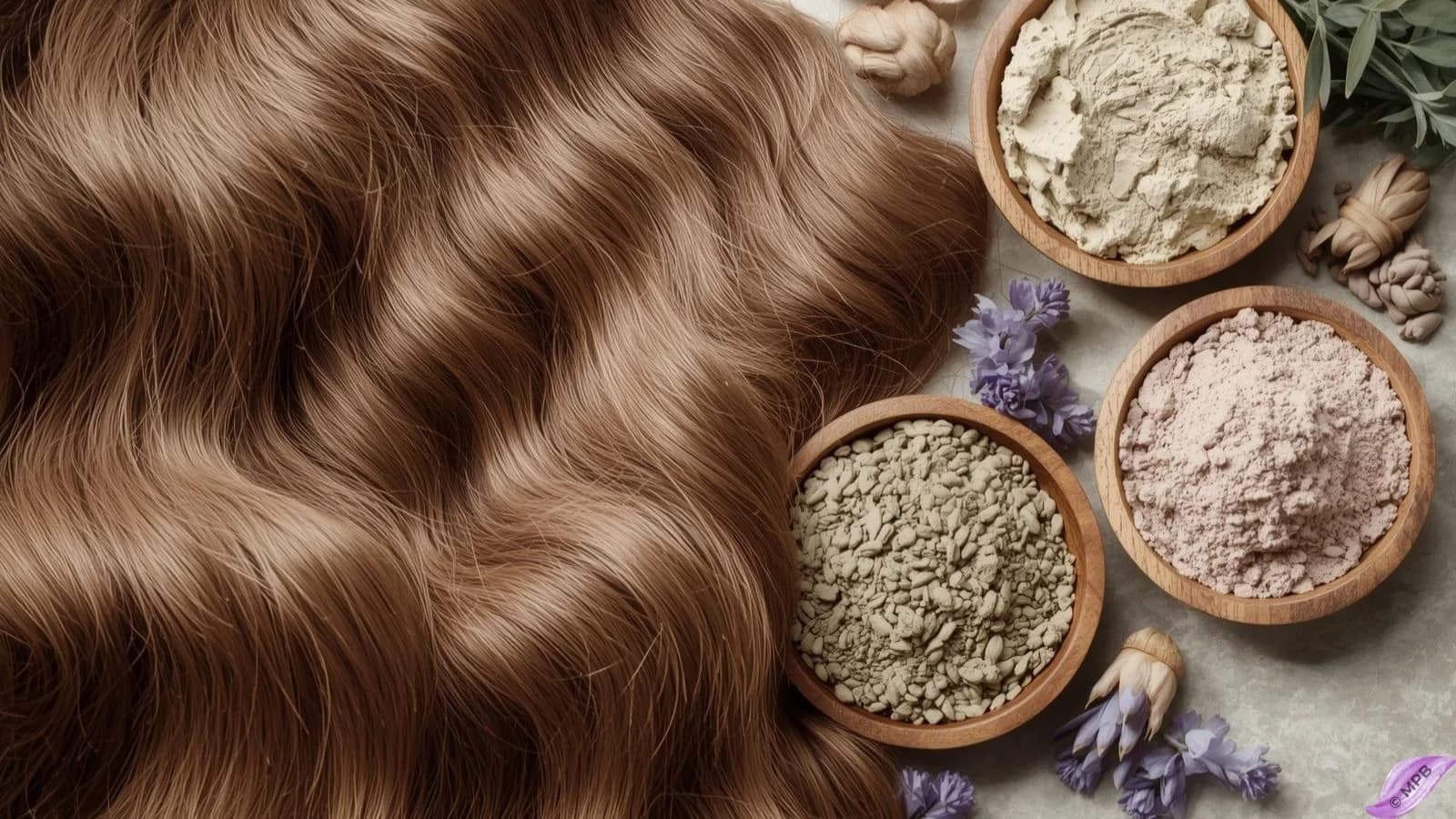
Henna is more than just a dye: it’s a treatment. It coats and strengthens the hair fiber, adding shine and volume. But beware, natural henna isn’t some magic powder you slap on quickly. The quality of the product and the application method make all the difference.
Choose 100% natural henna, free from chemical additives and synthetic dyes.
Opt for Moroccan henna, known for its rich red pigments and conditioning benefits.
Always test on a small strand first to avoid unexpected color results.
💡 Our tip: Prepare your henna paste the day before and let it ferment in the fridge to deepen the color.
Application: The Secret to Even, Long-Lasting Color
Henna requires a bit of patience. Apply the paste on clean, dry hair, strand by strand, in a thick layer to cover well. Leave it on for 2 to 4 hours depending on the intensity you want, then rinse with clear water—no shampoo.
Avoid hot water, which can alter the shade.
Protect your clothes and the skin around your face with petroleum jelly to prevent stains.
Use a plastic cap to keep heat in and help the pigment set.
⚠️ Avoid: Mixing henna with chemical products or colored hennas to save time. This can damage your hair and result in an unnatural color.
Complementary Care to Maintain Color and Nourish Hair
After henna, hair can feel a bit dry. That’s normal, but you can prevent it with the right natural treatments:
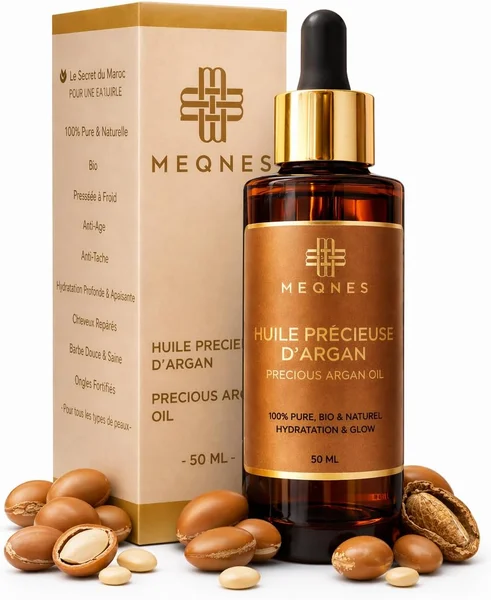
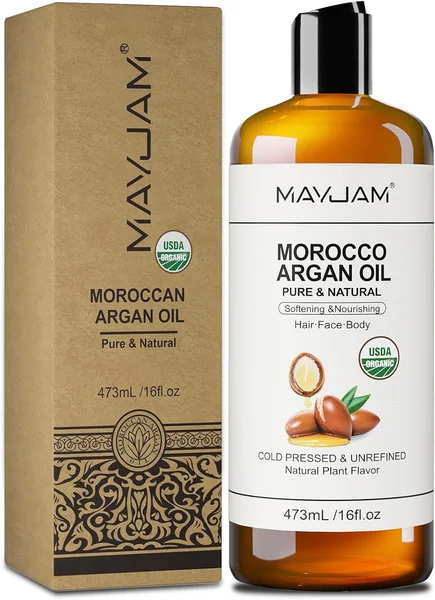
Argan oil: rich in vitamin E, it nourishes without weighing hair down and extends shine.
Hydrating masks with honey and yogurt: to restore softness and glow.
Gentle sulfate-free shampoo, ideally formulated for colored hair.
Avoid straightening or chemical treatments in the weeks following application.
💡 Our tip: Apply a small amount of argan oil to your lengths at night for deep repair without greasiness.
The Historical and Cultural Context of Henna in Morocco
Henna has been deeply rooted in Moroccan culture for centuries. Originally used for ritual and aesthetic purposes, it symbolizes beauty, luck, and protection. Traditionally, henna was applied during weddings, festivals, and important ceremonies, with intricate designs on the skin and hair. Today, Morocco is globally recognized for the exceptional quality of its henna, produced in specific regions where climate and soil optimize natural pigment concentration. This millennia-old tradition continues, blending ancestral know-how with modern uses, offering a natural alternative to the chemical dyes flooding the market.
The Technical and Tactical Challenges of Applying Henna
Mastering henna application is key to achieving a harmonious and lasting result. The process might seem simple, but every step requires precision and care. Preparing the paste means balancing the right consistency and fermentation time, which directly affects color richness. Applying strand by strand demands patience and method to avoid uncovered spots or overloading. Finally, the processing time is crucial: too short, the color will be pale and fade quickly; too long, hair may become dry. These tactical challenges explain why henna can sometimes feel demanding, but also why it guarantees deep care and a unique shade, far from the uniform standards of industrial dyes.
Regular use of natural Moroccan henna goes beyond simple coloring. By strengthening the hair fiber, it helps reduce breakage and promotes overall hair health. Unlike chemical products, it doesn’t weaken the scalp, making it a recommended choice for sensitive or allergy-prone individuals. However, maintaining this hair health requires adopting a complementary care routine. The future of henna looks bright, with growing interest in natural and sustainable cosmetics. Plus, new formulas combining henna with other plants may emerge, offering varied shades and textures while respecting hair’s natural structure.
What We Love and What We Don’t About Natural Henna
What we love: A rich, natural color that evolves over time, and a strengthening treatment that beautifies hair.
What we don’t love: The long processing time and strict upkeep, sometimes dryness if hair isn’t properly cared for.
Our Verdict
Natural Moroccan henna is a real favorite for those wanting healthy coloring and deep care. But the real question before buying is: are you ready to invest time in preparation, application, and maintenance? If yes, it’s totally worth it. We’ve done the homework for you: choose pure henna, apply it carefully, and pair it with nourishing treatments like argan oil to extend color and prevent dryness.
Honestly, here’s what no one tells you: henna isn’t an instant miracle fix, but a ritual whose magic reveals itself over time. Our advice: if you remember only one thing, it’s to focus on henna quality and the consistency of your post-color care.
In Summary
Natural Moroccan henna offers a healthy, effective alternative to chemical dyes, combining care and beauty. Its rich cultural heritage, hair benefits, and the precision required in its application make it a thoughtful choice for those wanting to protect their hair’s health while sporting a natural, radiant color. Provided you’re ready to commit to a demanding ritual, henna can transform your hair routine into a true moment of pleasure and lasting care.
 FR
FR EN
EN