Natural Skincare for Acne-Prone Skin: Which Plant Oils to Choose Without Worsening Breakouts
Acne-prone skin often struggles with heavy skincare products, but certain plant oils like jojoba or black seed can truly help. We explain how to pick and apply them without risking clogged pores.
Do you have skin prone to breakouts and have you been avoiding oils for fear of making things worse? Honestly, here’s what no one tells you: not all oils are created equal when you suffer from acne. Some are actually true allies to soothe and balance the skin without clogging pores.
Why Some Plant Oils Work Better for Acne-Prone Skin
The real question to ask before buying an oil for acne-prone skin is its comedogenic rating. The lower it is, the less likely the oil is to clog pores. For example:
Jojoba oil has a very low comedogenic rating (0-2), close to human sebum, making it perfect for balancing the skin.
Black seed oil (or nigella) is known for its anti-inflammatory and antibacterial properties, ideal for calming acne-related inflammation.
Hemp oil hydrates without heaviness, with a good balance of omega 3 and 6, helping to reduce redness.
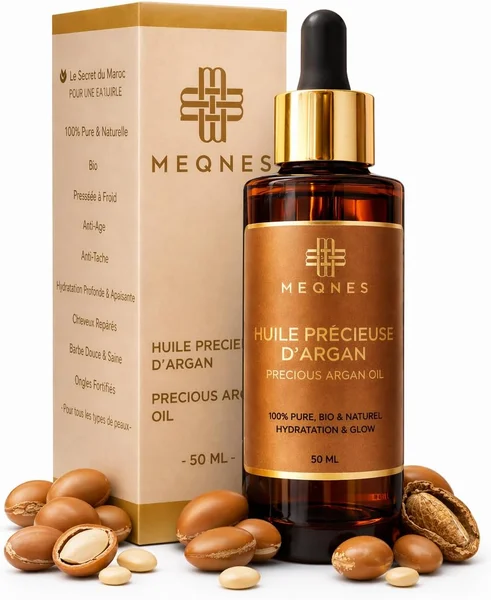
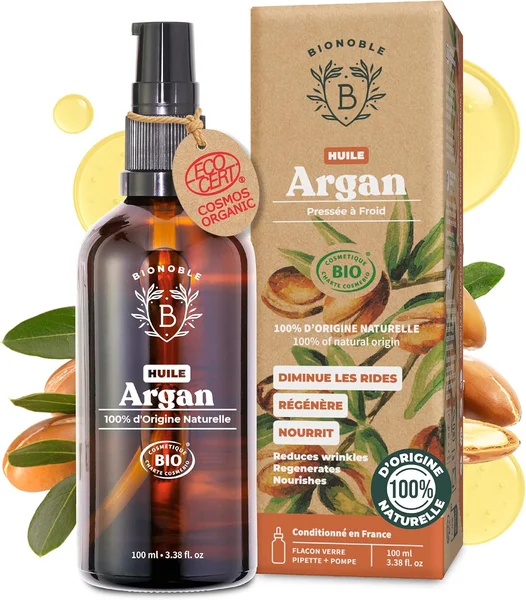
Argan oil, rich in vitamin E, nourishes while remaining light, but be sure to choose a pure, non-comedogenic version.
These oils are far from being greasy or heavy. Their profile makes them suitable for application on acne-prone skin, as long as they’re used properly.
💡 Our tip: opt for cold-pressed, 100% pure oils without additives. Always patch test a small amount on a limited area before applying it all over your face.
How to Apply Plant Oils Without Causing Breakouts?
We recommend a simple and effective routine to avoid overwhelming your skin:
Thoroughly cleanse your skin with a gentle, sulfate-free product.
Apply a few drops of oil on slightly damp skin to help absorption.
Gently massage in circular motions to stimulate microcirculation.
Never overload: 2 to 3 drops are enough for the entire face.
Use the oil as a complement to a suitable skincare routine, not as a full replacement for your moisturizer.
⚠️ Avoid: thick or comedogenic oils (like coconut oil) that can worsen clogged pores and blackheads.
Oils to Absolutely Avoid if You Have Acne-Prone Skin
We’ve sorted it out for you: here’s what’s really best to skip:
Oils that are too rich or comedogenic, like coconut or palm oil, which have high comedogenic ratings.
Scented oils or those containing chemical preservatives, potential sources of irritation.
Untested blends that can disrupt sensitive skin balance.
The Specific Benefits of Jojoba Oil and Its Historical Role in Natural Skincare
Jojoba oil has been used for centuries, notably by Native American populations, for its many cosmetic benefits. Its chemical composition is close to human sebum, making it a unique product capable of regulating sebum production without clogging pores. This feature places it at the heart of natural skincare for acne-prone skin. Additionally, its light, non-greasy texture allows it to absorb quickly, leaving skin soft and balanced. In modern cosmetics, jojoba oil is often included in formulations to purify and hydrate sensitive and acne-prone skin.
The Impact of Plant Oils on Skin Balance and Acne Scar Prevention
Beyond their moisturizing role, certain plant oils help repair the skin and prevent acne scars. For example, black seed oil has anti-inflammatory properties that help reduce redness and irritation, while argan oil, rich in vitamin E, promotes cell regeneration. Regular use of these oils, alongside a tailored routine, improves skin texture and limits post-acne marks. This reparative action is especially important for those dealing with frequent inflammatory breakouts.
Tips and Outlook for Incorporating Plant Oils into a Sustainable Anti-Acne Routine
Adding plant oils to an acne skincare routine requires a gradual, personalized approach. It’s essential to choose oils suited to your skin type and follow proper application techniques to avoid adverse effects. Moreover, combining oils with other natural treatments, like floral waters or aloe vera gels, can boost their effectiveness. Finally, a healthy lifestyle—including balanced nutrition and stress management—is crucial to support the benefits of topical care. This holistic approach encourages lasting skin balance and better skin quality.
Our Verdict
For acne-prone skin, plant oils aren’t enemies to avoid but valuable allies if chosen and applied correctly. Our advice: if you remember only one, go for jojoba oil, which regulates sebum and hydrates without clogging pores. Black seed oil is an excellent complement for its anti-inflammatory benefits. Always opt for pure, cold-pressed oils and test tolerance beforehand. Avoid comedogenic oils like coconut that can worsen acne. In short, with a bit of patience and the right routine, natural oils can help soothe your skin while nourishing it without heaviness.
Based on available data, these tips are supported by feedback from natural skincare experts and the proven properties of the oils mentioned, not forgetting the crucial importance of their comedogenic rating on acne-prone skin.
 FR
FR EN
EN