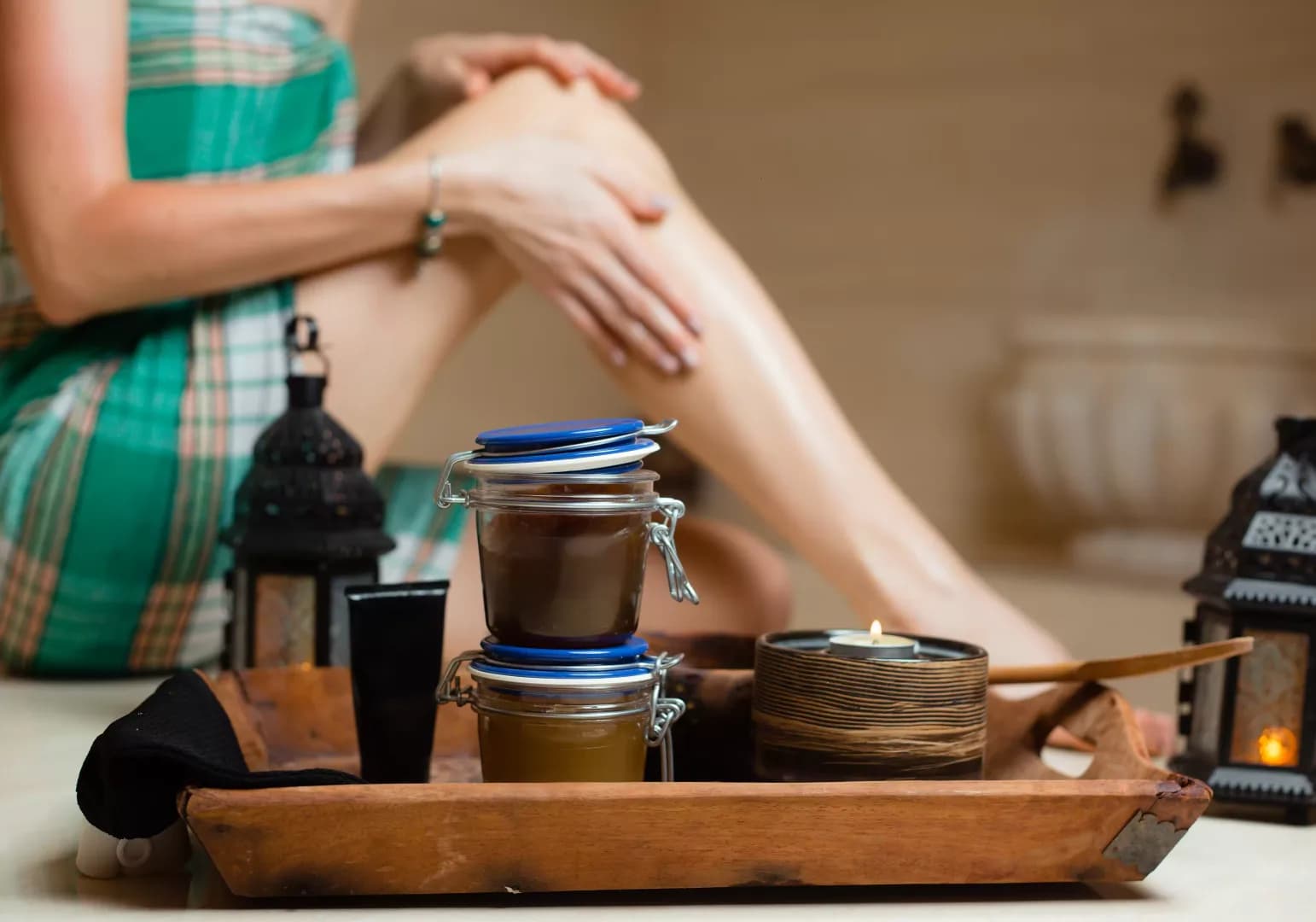
Traditional Moroccan body care combines ancestral know-how and natural ingredients to offer soft, purified, and radiant skin. These rituals, practiced for centuries, are a true invitation to relaxation and well-being while respecting the skin's natural balance. In this article, we detail the key steps of these treatments: beldi soap, exfoliation with the kessa glove, ghassoul mask, application of argan oil on damp skin, and heel care with shea butter. We also provide DIY tips, the ideal frequency for each treatment, and the expected results.
1. Beldi Soap: The Foundation of the Moroccan Ritual
What is Beldi Soap?
Beldi soap, also called Moroccan black soap, is a natural soap made from olive oil and fermented black olives. Its pasty texture and dark color distinguish it from regular soaps. It is rich in vitamin E and antioxidants, making it an excellent gentle cleanser and moisturizer for the skin.
How to Use Beldi Soap?
Start by taking a hot shower to open the pores.
Apply a small amount of beldi soap on damp skin, massaging gently.
Leave on for 5 to 10 minutes to allow the active ingredients to penetrate.
Then proceed to exfoliation with the kessa glove (see next section).
Rinse thoroughly with lukewarm water.
Frequency of Use
To avoid drying out the skin, use beldi soap 1 to 2 times per week. This ritual deeply cleanses while respecting the skin barrier.
Results
The skin is purified, soft, hydrated, and prepared to better absorb subsequent treatments.
2. The Kessa Glove: Traditional Moroccan Exfoliation
The Role of the Kessa Glove
The kessa glove is a rough crepe glove that gently exfoliates the skin. It removes dead cells, stimulates blood circulation, and refines skin texture.
How to Perform Exfoliation?
After leaving the beldi soap on, wet the kessa glove.
Rub the skin using vigorous but comfortable circular motions.
Focus on rough areas such as elbows, knees, and heels.
Rinse the skin with lukewarm water.
Frequency
Exfoliation with the kessa glove can be done once a week, preferably after using beldi soap for optimal effect.
Expected Results
The skin is smoothed, freed from impurities, more radiant, and soft to the touch.
3. Ghassoul: Purifying and Remineralizing Mask
Introduction to Ghassoul
Ghassoul is a Moroccan volcanic clay rich in minerals (silica, magnesium, calcium). It absorbs excess sebum, deeply cleanses, and remineralizes the skin.
DIY: Preparation and Application
Mix 2 tablespoons of ghassoul powder with lukewarm water or rose water until you obtain a smooth paste.
Apply on the body (or face for oily skin) in a thin layer.
Leave on for 10 to 15 minutes without letting it dry completely.
Rinse thoroughly with lukewarm water.
Recommended Frequency
One ghassoul mask per week is enough to purify the skin without irritating it.
Benefits
Ghassoul purifies, tones, and leaves the skin soft and supple.
4. Argan Oil: Hydration and Nourishment After Bathing
Why Apply Argan Oil on Damp Skin?
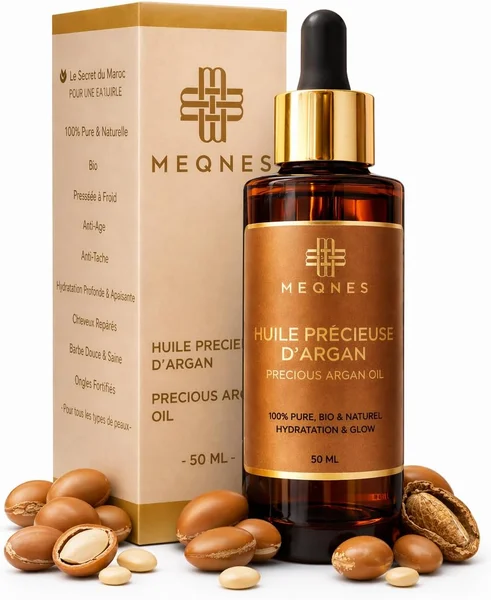
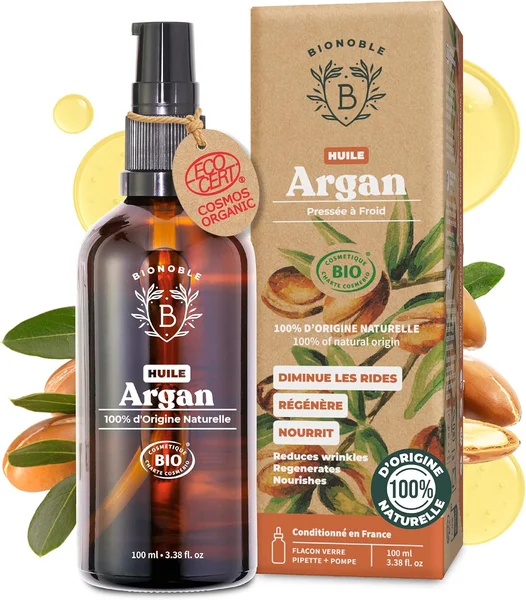
Argan oil is a liquid treasure rich in essential fatty acids and vitamin E. Applied on damp skin, it seals in hydration and maximizes the penetration of active ingredients.
How to Use
After bathing or showering, pat your skin with a towel so it remains slightly damp.
Place a few drops of argan oil in the palm of your hands.
Rub your hands to warm the oil, then gently massage the body, focusing on dry areas.
How Often?
Use argan oil daily for a nourishing and protective lasting effect.
Visible Results
The skin is intensely hydrated, supple, radiant, and protected against dryness.
5. Shea Butter for Dry and Cracked Heels
Shea Butter, Ally of Dry Areas
Shea butter is an excellent natural reparative treatment. It nourishes, softens, and repairs very dry skin such as damaged heels.
DIY and Application
Before bedtime, apply a generous layer of pure shea butter on clean, dry heels.
Put on cotton socks to promote absorption and avoid staining the sheets.
Repeat this treatment 2 to 3 times per week.
Expected Effects
Heels gradually become softer, cracks diminish, and the skin regains comfort and elasticity.
Additional Tips for a Successful Ritual
Internal Hydration: Drink enough water to nourish your skin from within.
Balanced Diet: Consume foods rich in omega-3, vitamins, and antioxidants.
Water Temperature: Prefer lukewarm to warm water to preserve the hydrolipidic film.
Gentleness: Avoid harsh rubbing and favor gentle gestures.
Conclusion
Moroccan body rituals, rich in natural ingredients and precise gestures, offer an effective method to achieve perfect skin. Beldi soap and the kessa glove remove impurities and dead cells, ghassoul purifies and remineralizes, argan oil intensely hydrates, and shea butter repairs dry areas. By adopting these treatments regularly, you restore your skin's softness, radiance, and comfort while enjoying an authentic moment of well-being inspired by Moroccan traditions.
 FR
FR EN
EN