Caring for Damaged Ends: Which Vegetable Oils to Choose and How to Apply Them?
Struggling with damaged ends and not sure what to do? We explain why your ends get damaged, which vegetable oils to favor like argan, moringa, or grape seed oil, and how to use them for visible results.
Are your ends dry, split, brittle, and despite all your efforts, they keep suffering? Honestly, here’s what no one tells you: repairing damaged ends is primarily about targeted, regular care—not just chopping them off willy-nilly. Natural Moroccan vegetable oils, especially argan oil, are your best allies to nourish, strengthen, and protect these fragile areas.
Why do your ends get so damaged?
The ends are the oldest and most delicate part of your hair. Constantly exposed to external aggressors (sun, pollution, heat from styling tools), they become dehydrated and lose their elasticity. The result? They break or fray. Without proper care, it quickly gets worse.
💡 Our tip: Always apply a tiny amount of vegetable oil on your ends before using heat to prevent breakage.
Must-have vegetable oils to repair your ends
We’ve sorted it out for you: here’s what’s really worth it when it comes to damaged ends. They deeply nourish without weighing hair down, protect the fiber, and prevent split ends from forming.
Argan oil: Rich in vitamin E and essential fatty acids, it restructures hair and restores softness and shine. A classic Moroccan natural care staple that never disappoints.
Moringa oil: Less known but ultra-repairing, it penetrates deeply and helps seal damaged cuticles. Perfect for ends weakened by external aggressors.
Grape seed oil: Lightweight and non-greasy, it nourishes without heaviness. Ideal for fine hair seeking repair without a stiff feeling.
💡 Our tip: Mix a few drops of argan oil with grape seed oil for a nourishing yet light cocktail to apply on dry ends.
How to apply these oils for maximum effectiveness?
Application needs to be precise and regular to see real changes on your ends. Here’s our tried-and-true routine:
Take a small amount of oil, about the size of a hazelnut, between your hands.
Warm the oil slightly by rubbing your hands together to help it absorb better.
Apply only to the ends, gently working upwards towards the lengths if needed, avoiding the roots to prevent greasiness.
Do this treatment 2 to 3 times a week, ideally in the evening so the oils can work overnight.
For an intensive treatment, leave the oil on for 30 minutes under a warm towel before shampooing.
⚠️ Avoid: Applying heavy oils like pure castor oil on fine ends, as it can weigh them down and make them greasy quickly.
How often and what habits to avoid to prevent worsening the problem?
We recommend not overdoing harsh shampoos and aggressive brushing, which weaken the ends. Regular hydration with vegetable oils should be paired with a gentle routine.
Avoid shampoos with harsh sulfates.
Opt for gentle brushing with a wide-tooth comb on wet hair.
Limit excessive heat exposure without protection.
Trim split ends every 6 to 8 weeks to stop damage from spreading.
💡 Our tip: Use a natural protective spray before any heat styling to safeguard your ends.
The lesser-known benefits of vegetable oils for scalp health
Beyond just repairing ends, vegetable oils play a crucial role in overall scalp health. For example, argan oil has anti-inflammatory properties that soothe irritation and prevent itching. Plus, nourishing the scalp promotes better blood circulation, which stimulates hair growth. So, regular and proper application of vegetable oils creates the perfect environment for strong hair from root to tip. Don’t skip this step in your haircare routine—it’s key to healthy, long-lasting hair.
The importance of a balanced diet for resilient ends
The beauty of your ends isn’t just about external care. A diet rich in vitamins, minerals, and essential fatty acids is essential to strengthen hair from within. Foods like nuts, avocados, fatty fish, and green vegetables help produce keratin, the main protein in hair. Without these nutrients, hair fibers become fragile and prone to breakage. Combining a healthy diet with regular use of vegetable oils maximizes your chances of having strong, shiny ends that are less prone to splitting.
Common mistakes to avoid when using vegetable oils
While vegetable oils are very beneficial, misuse can limit their effects or even worsen the situation. For example, applying too much oil can weigh hair down and make it look greasy and dirty. Also, some people apply oil to their roots, which can clog follicles and cause irritation or dandruff. Finally, using oils not suited to your hair type or mixing many oils without care can reduce the treatment’s effectiveness. It’s essential to choose the right oil and follow application tips to fully enjoy their benefits.
In summary
If you remember just one thing: argan oil remains the undisputed star for repairing and nourishing damaged ends. Paired with a gentle, regular routine, it visibly transforms your hair’s texture and strength. Moringa and grape seed oils perfectly complement this care by adding lightness and deep penetration.
Honestly, here’s what no one tells you: vegetable oils don’t work miracles overnight, but they’re essential for lasting, natural repair. Provided you keep up with the frequency and proper application, your ends will thank you.
✨ Our recommendation
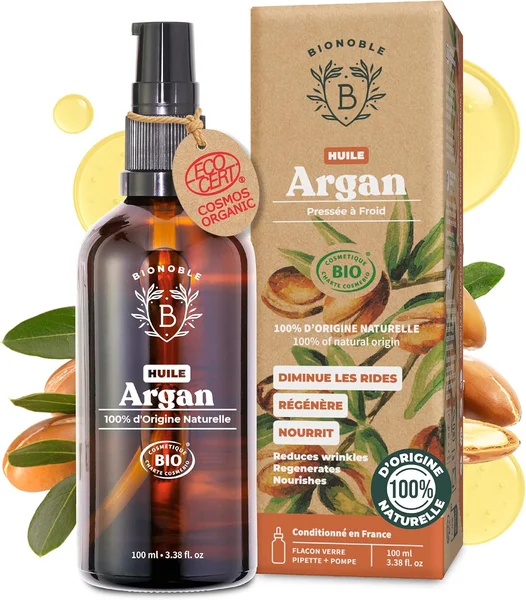
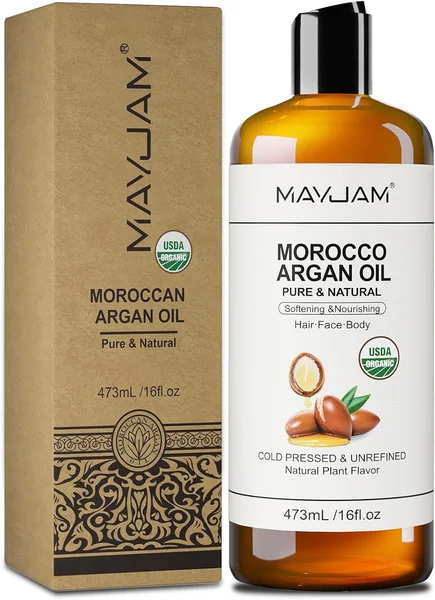
100% Pure Organic Argan Oil, Cold-Pressed from Morocco
Repairs and Nourishes, Anti-Aging - Argan Oil for Hair, Face, Body - Vegan, Hexane-Free
 FR
FR EN
EN