Protecting Your Hair from Heat: Must-Have Natural Oils and How to Use Them
Overdoing blow-drying, straightening irons, or hair dryers leaving your hair damaged? We reveal how natural oils like argan, avocado, or coconut can become your best protective shield before styling.
Is your hair dry, brittle, or even dull after every heat styling session? You’re not alone. Excessive heat from styling tools damages the hair fiber, and few of us know how to minimize this damage without giving up our favorite straightening or blow-drying routines.
Why Rely on Plant Oils Before Heat Styling?
Honestly, here’s what nobody tells you: natural oils don’t just hydrate—they create a protective barrier around each strand. This layer prevents excessive dehydration caused by heat, reducing frizz and breakage.
Applying too much oil, which can grease roots and weigh hair down.
Using refined oils or industrial blends lacking protective active ingredients.
Applying heat on completely dry hair without pre-treatment.
Forgetting to adjust your tool’s temperature to a level that’s safe for hair health.
⚠️ Avoid: Don’t skip the oil step just because your styling product already contains some. The concentration is usually too low to protect effectively.
A Millennia-Old Tradition of Using Natural Oils
For centuries, Mediterranean and Middle Eastern civilizations have used plant oils to maintain hair beauty. Argan oil, a Moroccan symbol, lies at the heart of this tradition. Historically, it was used not only for beauty but also for its medicinal properties, applied to strengthen and protect hair against external aggressions. These ancient practices have stood the test of time and now adapt to modern needs, especially for heat protection from styling tools. This cultural continuity highlights the natural effectiveness and richness of these oils, long before synthetic cosmetic products arrived.
The Tactical Importance of Preserving Hair Health
Using oil before styling isn’t just a cosmetic step: it’s a smart strategy to maintain hair health. By creating a protective barrier, oil limits protein degradation and moisture loss—two key factors in hair weakening. Tactically, this means you extend the life of your hairstyle while reducing the need for intensive repair treatments. Incorporating this routine into your beauty ritual is a winning choice that optimizes both aesthetic results and fiber resilience, while avoiding premature hair exhaustion.
Outlook on the Evolution of Natural Heat Protectants
With the rise of natural cosmetics, demand for alternatives to chemical heat protectants is growing. Plant oils, already recognized for their nourishing virtues, are central to this evolution. Current research aims to better understand their heat-protection mechanisms and develop innovative formulas combining multiple oils to maximize benefits. Moreover, growing awareness of the environmental impact of hair products encourages the use of organic and sustainable ingredients, positioning natural oils as a solution for the future. By adopting these treatments, consumers not only preserve their hair but also embrace a more responsible approach to beauty.
In Summary
Let’s not beat around the bush: natural oils offer a simple, effective, and affordable way to protect your hair before every heat session. Their richness in nourishing and antioxidant actives creates an essential shield that limits breakage, frizz, and dryness.
Our advice: if you remember only one, choose organic argan oil—versatile and lightweight, perfect for all hair types and easy to dose. Pair it with good temperature control and application on damp hair, and you’ll have a seriously effective anti-heat routine.
What we love: the naturalness, versatility, and softness these oils bring to the hair fiber. What we like less: the temptation to overapply and the risk of greasy hair if good practices aren’t followed.
In short, add this step to your beauty ritual and say goodbye to dry, heat-damaged hair!
✨ Our Recommendation
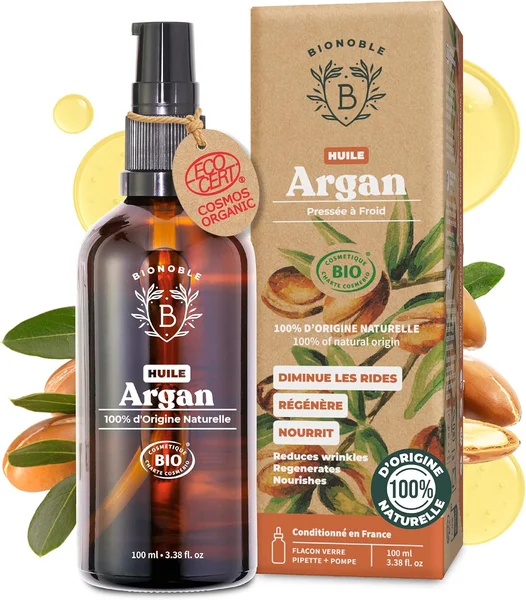
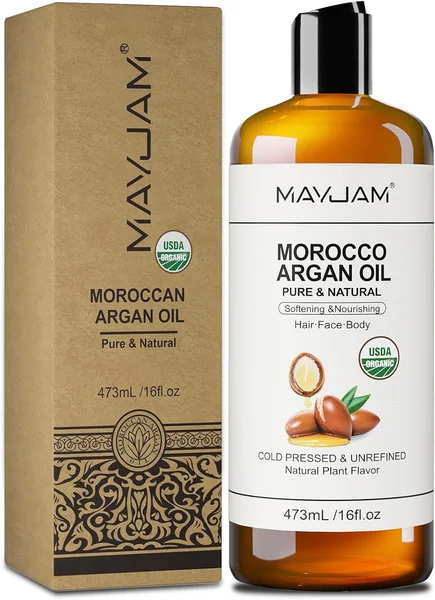
100% Pure Organic Argan Oil, Cold-Pressed from Morocco
Repairs and Nourishes, Anti-Aging - Argan Oil for Hair, Face, Body - Vegan, Hexane-Free
 FR
FR EN
EN