Acne-prone skin: which plant oils to use without clogging your pores
Think oil is the enemy of your acne? We’re breaking down the non-comedogenic plant oils that soothe and rebalance problem skin without causing breakouts.
Do you feel like the slightest drop of oil on your face will trigger a disaster? We get it. For a long time, we were taught to hunt down any trace of fat as if it were a public enemy. However, banning all oily hydration is often the mistake that makes acne worse: the skin, starved of lipids, fights back by producing even more sebum. It’s a guaranteed vicious cycle.
The real question to ask yourself before buying isn't whether you should use an oil, but which one to choose. It all comes down to the comedogenic rating, a scale from 0 to 5 that measures an oil's ability to clog pores. For acne-prone skin, you should never go above a 1 or 2. Understanding this hierarchy is the key to transforming your skincare routine, moving from a ritual of fierce combat against oil to an approach of smart, natural regulation.
We've sorted through the most renowned oils in Moroccan and natural cosmetic traditions for you. Here are the ones that are truly worth it for combination to oily skin:
Jojoba Oil: Our absolute favorite. Its composition is so close to human sebum that it "tricks" the skin, signaling that it is already sufficiently hydrated. The result: sebum production regulates itself naturally.
Black Cumin Oil: A must-have for problem skin. It is purifying and anti-inflammatory. Honestly, this is the oil we recommend if you have red, inflamed breakouts.
Hemp Oil: Very rich in omega-3 and omega-6, it absorbs instantly without leaving a greasy film. Perfect for soothing redness without suffocating the epidermis.
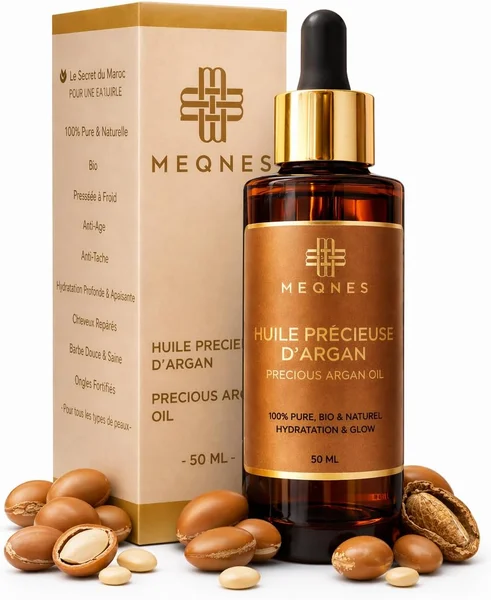
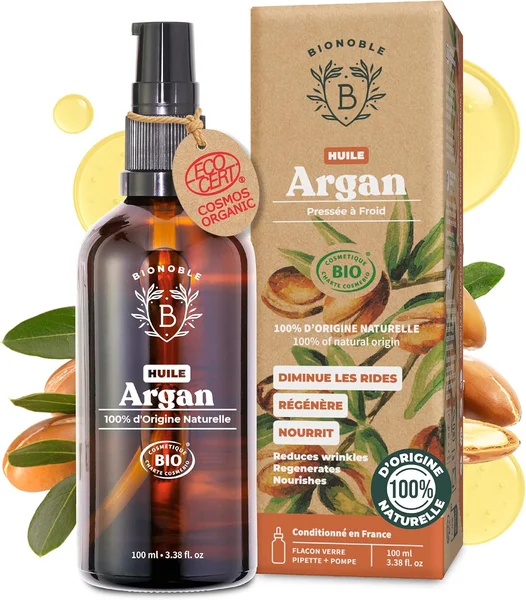
Argan Oil: It is often feared, but if it is pure and high-quality, it has exceptional healing properties. Use it in small quantities, ideally at night, to repair the skin barrier.
💡 Our tip: Don't warm your oil between your hands. Apply it directly to slightly damp skin (after a rose or orange blossom floral water) to create an instant emulsion that absorbs much faster.
The importance of the cell renewal cycle
When you incorporate a plant oil into your routine, patience is an essential virtue. Human skin follows a cell renewal cycle that lasts an average of 28 days. Expecting spectacular results after just two or three days of use is often an unrealistic expectation that leads to premature abandonment of the treatment. You have to give your pores time to clear and your skin barrier time to restructure itself sustainably thanks to the nutrients provided by the oil. Regular application, morning or evening depending on your needs, helps support this natural regeneration process without stressing fragile tissues. Perseverance in this gentle routine is often much more effective in the long run than harsh products that strip the epidermis and weaken its natural defenses.
Using an oil alone can sometimes feel insufficient, especially if the skin has marked areas of dehydration. This is where the concept of natural emulsion comes in, an ancestral technique brought back to life. By applying a floral water, like rose or orange blossom, just before your oil, you provide your skin with the aqueous hydration it desperately needs. The oil then seals this hydration into the upper layers of the epidermis, preventing transepidermal water loss. This method allows you to enjoy the benefits of both worlds: the soothing and toning provided by floral waters, combined with the nutrition and protection offered by plant oils. It's the secret to a luminous complexion that doesn't shine for the wrong reasons, but instead displays a healthy, balanced glow.
How to apply oil without causing breakouts
Application is just as important as product choice. If you apply too much, you create an occlusive barrier, and that's when comedones appear. The golden rule? "Less is more."
We recommend limiting application to 2 or 3 drops maximum for the entire face. Warm the product in the palms of your hands, then gently press your palms onto your face rather than massaging vigorously. This allows the oil to fuse with your hydrolipidic film without saturating the pores.
⚠️ To avoid: Never apply oil to dirty or unwashed skin. The oil will trap impurities, pollution, and bacteria in your pores, guaranteeing a breakout by the next day.
The hierarchy of oils: understanding the comedogenic rating
To never make a mistake again, keep this simple classification in mind:
Rating 0: Jojoba, Hemp. You can go for these with your eyes closed.
Rating 1: Black Cumin, Argan. Valuable allies for combination skin.
Rating 3 and up: Absolutely ban these from your face (like coconut or wheat germ oil), or risk seeing microcysts appear within a few days.
In summary
If you only keep one, turn to Jojoba oil. It is the safest investment to rebalance acne-prone skin without risk. For inflammatory breakouts, pair it with a few drops of Black Cumin oil as a spot treatment. The takeaway: acne is not a fatality, and nature offers solutions much gentler than harsh treatments that damage your skin barrier. Patience is your best ally: give your skin at least 28 days, the time of a full cell cycle, to see real results.
 FR
FR EN
EN