Acne-Prone Skin: Can Argan Oil Help or Hinder? A Guide to Non-Comedogenic Natural Oils
Discover whether argan oil is comedogenic or non-comedogenic, and learn how to choose the right natural oils for acne-prone skin without clogging pores or worsening breakouts, for a clearer and healthier complexion
Do you have acne-prone skin and think oils are a no-go? Honestly, here’s what nobody tells you: some plant oils can not only soothe your skin but also regulate your sebum and reduce inflammation. The key is to choose the right oil and apply it properly so you don’t cause new breakouts.
Why Some Plant Oils Are Suitable for Acne-Prone Skin
The real question before buying an oil is its comedogenic rating. In other words, is it likely to clog your pores and worsen your blemishes? For acne-prone skin, we favor oils with low comedogenicity or even non-comedogenic oils.
Here’s our top 4 oils that are really worth it, based on our selection and expert feedback:
Jojoba Oil: Its composition is close to human sebum, helping regulate sebum production without clogging pores.
Black Seed Oil (Nigella): Antibacterial and anti-inflammatory, it soothes redness and acne flare-ups.
Hemp Oil: Rich in essential fatty acids, it hydrates without blocking pores and balances the skin.
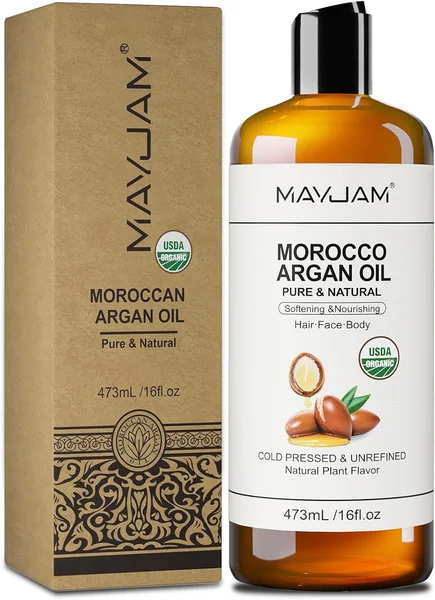
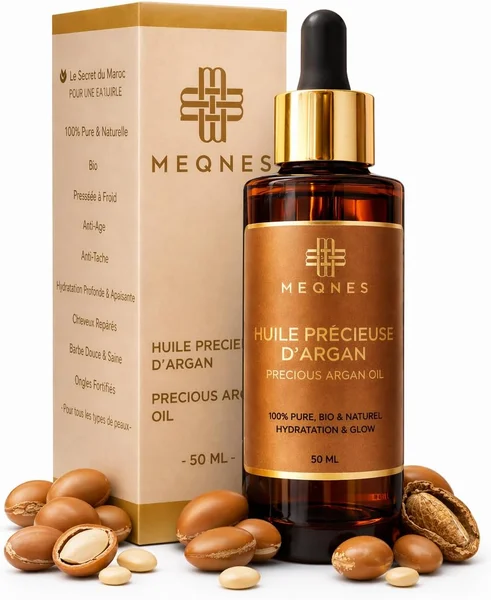
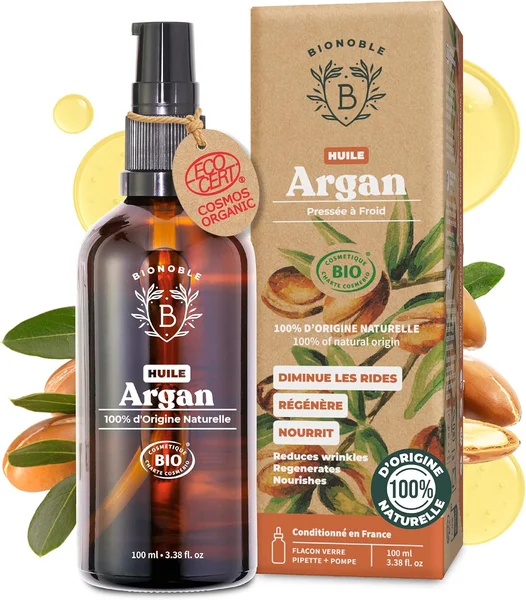
Argan Oil: Nourishing, it helps repair the skin barrier while being light and low in comedogenicity.
💡 Our Tip: Always choose 100% pure, cold-pressed, and organic oils if possible to avoid additives that could irritate your skin.
How to Apply Oil Without Causing Breakouts
Application is just as important as the choice of oil. Even a non-comedogenic oil can become a problem if used incorrectly. Here are our practical tips:
Incorporate the oil as part of a suitable routine, with a gentle cleanser and light exfoliant to prevent dead skin buildup.
⚠️ Avoid: Never apply a thick or overly rich oil on acne-prone skin without testing tolerance first. Also avoid mineral or synthetic oils that can worsen blemishes.
What We Love and What We Like Less About These Oils
What we love: Their soothing effect, sebum regulation, and ability to nourish without heaviness.
What we like less: The need for very careful application and the patience required to see real results.
💡 Our Tip: Always do a patch test on a small area before adding a new oil to your routine, especially if your skin is very reactive.
Historical Context and the Role of Plant Oils in Natural Skincare
For millennia, plant oils have held a vital place in beauty and skincare traditions. In Mediterranean and Middle Eastern cultures, oils like argan and black seed have been used not only for their cosmetic benefits but also for therapeutic purposes. Historically, they were prized for their healing and protective properties, especially in dry environments where skin often suffered from dehydration and irritation. Today, with growing concerns about chemicals and side effects from conventional acne treatments, these natural oils are reclaiming a key role in beauty routines, blending ancient wisdom with modern research. Their popularity is also linked to a better scientific understanding of their active compounds and how they interact with skin, especially acne-prone skin.
Tactical Considerations When Using Oils for Acne-Prone Skin
Beyond choosing the right oil, the main tactical challenge lies in how to effectively integrate it into a skincare routine without compromising skin health. For example, some oils, while beneficial, should be applied at specific times of day or combined with other products to optimize their effects. Jojoba oil, due to its similarity to human sebum, can help the skin regulate sebum production, but overloading the skin should be avoided as it could backfire. Similarly, black seed oil, rich in anti-inflammatory compounds, is ideal for calming acne flare-ups but requires regular and controlled application. Understanding these tactical subtleties is essential to maximize benefits while avoiding downsides like new breakouts or irritation.
Impact of Oils on the Ranking of Natural Skincare for Acne-Prone Skin and Future Outlook
In the natural skincare market, plant oils like jojoba, black seed, hemp, and argan now hold a strategic position, competing with more conventional products. Their specific properties allow them to meet targeted needs, especially in sebum regulation, hydration, and soothing inflammation. This trend also influences manufacturers who are investing more in formulations that include these oils to offer gentler, more natural alternatives. Looking ahead, we can expect plant oils to gain even more prominence in anti-acne care, thanks to advances in green cosmetology and growing consumer demand for products that respect both their skin and the environment. Innovation may also focus on optimized combinations of oils and natural actives to boost effectiveness without compromising skin tolerance.
In Summary
We’ve done the sorting for you: jojoba, black seed, hemp, and argan oils are true allies for acne-prone skin when carefully chosen and used with caution. Honestly, here’s what nobody tells you: quality plant oils can improve your skin, not make it worse. Our advice: if you remember only one, try jojoba oil—it combines effectiveness and safety.
By incorporating these oils into a suitable natural routine, you can expect better sebum regulation, less inflammation, and more balanced skin. But remember, patience and consistency are key to avoid any unpleasant surprises.
✨ Our Recommendation
Organic Argan Oil 473ML, Argan Hair Oils
Cold-Pressed Pure Natural Argan Hair Oils, Face, Skin, Hair Care Oil, Hydrating & Anti-Aging
 FR
FR EN
EN