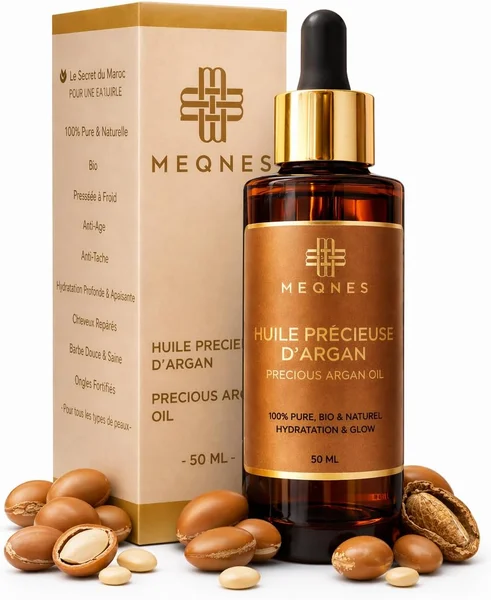
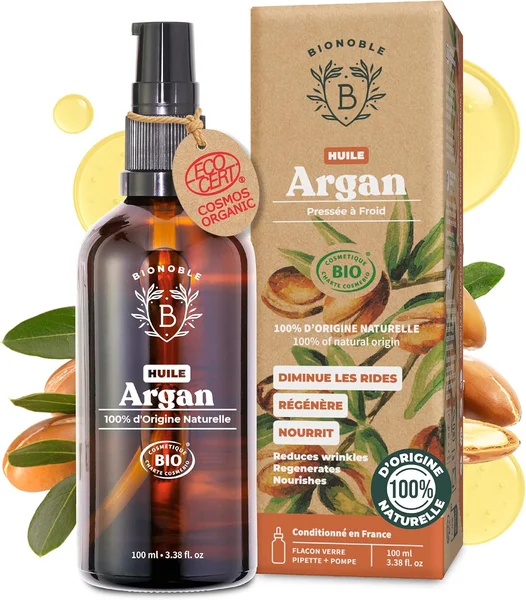
You feel your cheeks tightening, your complexion lackluster, and nothing seems to help? You layer on creams and oils, but your skin doesn't regain its comfort? Honestly, here's what no one tells you often enough: you might be confusing dry skin with dehydrated skin. And this misdiagnosis is why even the best products aren't giving you the results you expect.
Dry or Dehydrated Skin: The Costly Confusion for Your Epidermis
These two terms are often used interchangeably, as if they were the same thing. Yet, dry skin and dehydrated skin are two distinct states of the epidermis, with different causes, symptoms, and, above all, radically different care needs. Treating them the same way is like trying to put out a fire with gasoline—it won't help!
The real question to ask before buying any product: does my skin feel thirsty or hungry? Once you have the answer, your natural beauty routine will make complete sense.
Dry Skin: When Oil is Missing
Dry skin is a type of skin, just like oily or combination skin. It is characterized by a chronic lack of lipids (fats), meaning your epidermis doesn't produce enough sebum. Sebum is essential for forming the hydrolipidic film, this natural protective barrier that prevents water from evaporating and protects the skin from external aggressions.
Constant tightness: A feeling of permanent discomfort, especially after cleansing.
Rough and flaky skin: Visible scales, small dead skin cells, irregular texture.
Dry patches: Areas of the skin that feel dry and lack moisture.
Understanding the difference between dry and dehydrated skin is key to creating a skincare routine that actually works. By addressing the root cause, you can restore your skin's natural balance and achieve the radiant, healthy complexion you deserve.
 FR
FR EN
EN