Dry or Dehydrated Skin: How to Tell the Difference and Treat Them Naturally
Does your skin feel tight and you're not sure if it's dry or dehydrated? We're breaking down the distinct signs and giving you the keys to effective natural skincare that will truly make a difference.
Can't Tell if Your Skin is Dry or Dehydrated? We're Here to Help.
We've all felt that tight sensation, that lack of comfort on our skin. But is it really dryness, or just a temporary lack of water? The difference is crucial because the treatments needed are not the same. Honestly, here's what nobody tells you: confusing the two can lead to unsuitable routines that won't fix anything, and might even make the problem worse.
Dry Skin vs. Dehydrated Skin: The Signs That Don't Lie
Dry skin is a skin type, just like oily or combination skin. It lacks lipids (fat), which naturally makes it less supple and more prone to external aggressors. It can show redness, flakiness, and feels permanently rough.
Dehydrated skin, on the other hand, is a temporary condition. It's a lack of water in the upper layers of the epidermis. It can affect all skin types, including oily skin! The signs? Dehydration lines that appear when you pinch the skin, a dull complexion, loss of elasticity, and a tight feeling that can come and go.
The Causes: Why is Our Skin Acting Up?
For dry skin, it's often a matter of genetics or a malfunction of the sebaceous glands. Cold, wind, hard water, and certain harsh soaps can also worsen it.
Dehydrated skin is often the result of external factors: heating in winter, air conditioning in summer, sun exposure without protection, a diet low in water, stress, or even an overly aggressive skincare routine that weakens the skin barrier.
💡 Our Tip: The simple test? Gently pinch your cheek. If small lines appear and quickly disappear, it's dehydration. If the skin is generally rough and lacks suppleness, it's more likely dryness.
Natural Skincare: What to Choose for Each Concern?
For dry skin, we'll focus on nourishing and protective fatty substances to rebuild its hydrolipidic film. Vegetable oils rich in essential fatty acids are our best allies.
For dehydrated skin, the goal is to retain water in the skin. We'll look for hydrating active ingredients that attract water and ingredients that help seal in that moisture.
Star Vegetable Oils for Dry Skin:
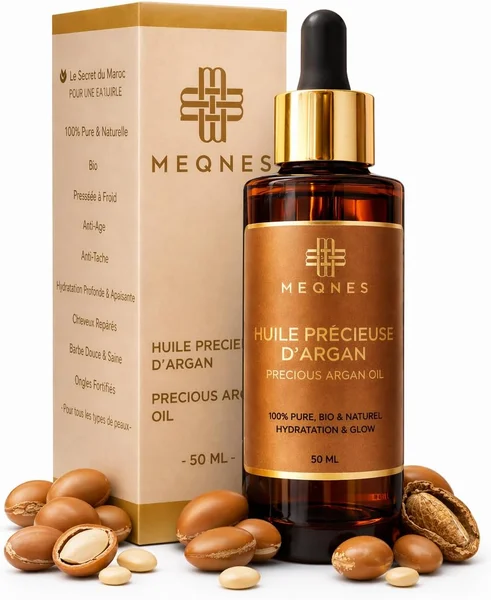
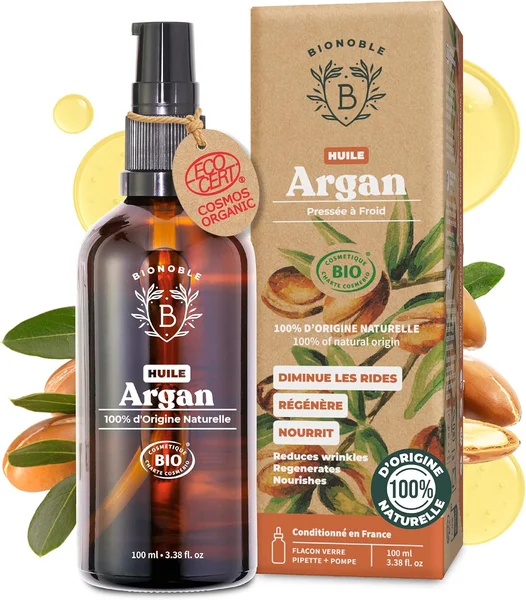
Argan Oil: Rich in vitamin E and unsaturated fatty acids, it deeply nourishes without being greasy. It's our favorite from Morocco!
Avocado Oil: A true vegetable butter, it's perfect for very dry, mature, or chapped skin.
Apricot Kernel Oil: Gentle and penetrating, it brings suppleness and radiance. Ideal for the face and body.
Natural Actives for Dehydrated Skin:
Hyaluronic Acid: The essential! It can hold up to 1000 times its weight in water. You'll find it in many natural serums.
Vegetable Glycerin: A powerful humectant that draws water to the skin.
Aloe Vera: Soothes, hydrates, and helps retain water thanks to its richness in polysaccharides.
Hydrosols (Floral Waters): Rose water or orange blossom water, used as a mist or in a skincare product, provide light and refreshing hydration.
⚠️ Avoid: Harsh cleansers (based on aggressive sulfates), products too high in alcohol, and very hot water, which can strip the skin barrier and increase water or sebum loss.
Our Personalized Natural Beauty Protocol
For dry skin, opt for a simple yet rich routine. Gentle cleansing with a cleansing oil or milk, followed by a nourishing cream or vegetable oil morning and night. An argan oil mask once a week will only enhance comfort.
For dehydrated skin, hydration is key. Start with gentle cleansing, then apply a serum with hyaluronic acid or aloe vera. Seal it in with a light cream or a less rich vegetable oil (like jojoba oil, which is similar to human sebum). Mists of thermal or floral water throughout the day are a great addition.
Our Verdict
Honestly, distinguishing between dry and dehydrated skin is essential to give your skin what it truly needs. We can't say it enough: nature has incredible solutions for every concern. Argan oil is our champion for dry skin, but for dehydration, a water-focused routine with actives like hyaluronic acid will make all the difference. Listen to your skin, observe its reactions, and adapt your skincare. That's true natural beauty: a personalized and caring approach.
 FR
FR EN
EN