Dry or Dehydrated Skin: How to Choose the Right Natural Care?
Do you often mix up dry skin and dehydrated skin? We’ll help you spot the difference so you can tailor your natural beauty routine with the right plant oils that truly suit your skin.
Do you feel like your skin is constantly tight, but you're not sure if it's dry or just dehydrated? This confusion is very common, yet distinguishing between the two is crucial to avoid worsening the issue with unsuitable products.
Dry Skin vs Dehydrated Skin: The Real Difference
Honestly, here’s what nobody tells you: dry skin is a skin type, linked to a natural lack of lipids, whereas dehydrated skin is a temporary condition caused by a lack of water in the epidermis. The symptoms might look similar, but the causes and treatments are quite different.
Our tip: if you remember only one thing, test how your skin feels right after cleansing. If it feels tight and itchy but isn’t rough or flaky, it’s likely dehydrated.
💡 Our tip: To tell the difference at home, apply a light moisturizer after cleansing. If the tightness disappears, your skin is dehydrated. If not, it’s dry.
Recommended Natural Care for Dry Skin
Dry skin calls for rich, nourishing, and protective oils. Here are our must-haves:
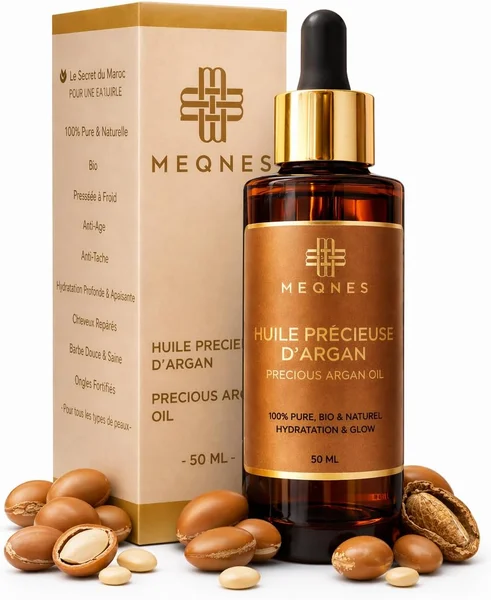
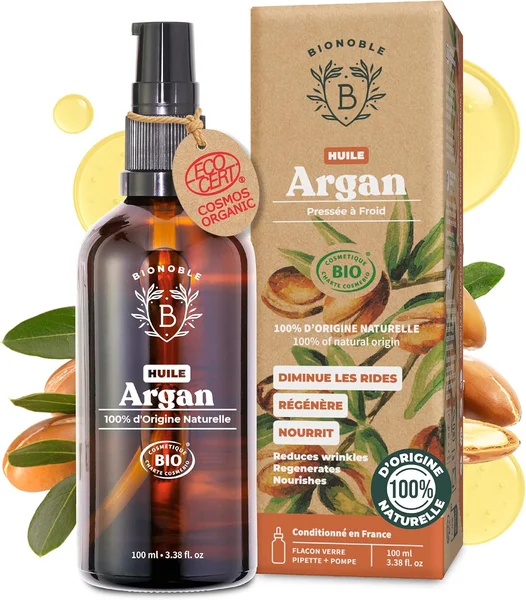
Argan oil: regenerating and nourishing, it repairs the lipid barrier.
Avocado oil: ultra-rich in fatty acids, perfect for boosting suppleness.
Shea butter: a classic for protecting and soothing very dry skin.
We recommend applying them in a thin layer at night so your skin can fully benefit from their restorative action.
Natural Care for Dehydrated Skin
Dehydration requires a lighter approach focused on surface hydration and water retention:
Aloe vera gel: refreshing and hydrating, it soothes and plumps the skin.
Rose hydrosol: gently tones and hydrates the skin.
Prickly pear seed oil: rich in vitamin E, it helps lock in moisture.
The secret is to combine these ingredients with a hydrating serum or a light gel-cream, applied morning and night.
⚠️ Avoid: Don’t confuse dehydration with dryness, or you risk clogging dehydrated skin with too many oils, which can block pores.
Beauty Habits to Avoid Making Things Worse
Beyond skincare, here are some habits to adopt to prevent worsening dryness or dehydration:
Avoid harsh or overly foaming cleansers that strip the skin.
Limit hot showers that dry out the epidermis.
Drink plenty of water to support internal hydration.
Protect your skin from wind and cold with appropriate care.
💡 Our tip: Add a hydrating or nourishing mask 1 to 2 times a week depending on your skin type for a natural boost.
The Root Causes of Dry and Dehydrated Skin
Understanding the origins is key to effective treatment. Dry skin often stems from genetic factors or repeated environmental stressors that reduce the production of essential lipids in the skin barrier. In contrast, dehydrated skin mainly results from temporary water loss caused by aggressors like cold, pollution, or poor diet. Stress and certain medications can also disrupt the skin’s water balance. Finally, natural aging gradually reduces the skin’s ability to retain moisture, worsening these imbalances.
The Importance of a Personalized Beauty Routine
The secret to healthy skin lies in tailoring your care to your specific needs. A well-designed routine not only soothes symptoms but also strengthens the skin barrier over time. For dry skin, it’s best to use products rich in nourishing and repairing agents, while for dehydrated skin, lighter, hydrating textures are preferred. Layering products can also be beneficial if done with complementary items, like a hydrating serum followed by a nourishing cream. Remember, consistency is key to seeing lasting results, and your routine should adapt with the seasons and climate changes.
Common Mistakes to Avoid in Skincare
Because of the confusion between dry and dehydrated skin, many make the mistake of using the wrong products that worsen their condition. For example, applying a product that’s too rich on dehydrated skin can cause greasiness, clogged pores, and even breakouts. Likewise, neglecting nourishment on dry skin can increase tightness and irritation. Overusing harsh scrubs or exfoliants is also discouraged as they damage the skin barrier. Lastly, some forget the importance of protecting the skin from external aggressors with sunscreen or appropriate clothing, which is essential to maintain skin balance.
Our Verdict
We’ve sorted it out for you: here’s what really matters. Don’t get trapped by confusing dry and dehydrated skin. Clearly identifying your issue is the key to choosing the right natural care and avoiding mistakes.
What we love: plant oils like argan and avocado for dry skin, and light gels like aloe vera for dehydration. What we like less: overly rich products on dehydrated skin that can cause shine and discomfort.
The real question to ask before buying: does my skin mainly lack water or lipids? The answer will guide your natural beauty routine toward better results and comfort.
In short, we recommend trying these simple tips to finally soothe your skin no matter what it needs. You’ll see the difference, promise.
 FR
FR EN
EN