Argan oil is a treasure of Moroccan natural beauty, prized for its nourishing and anti-aging properties. To benefit from its advantages, it is crucial to opt for a pure and high-quality oil. A diluted or altered oil will lose much of its properties and could even cause unwanted reactions.
Essential Criteria to Recognize Quality Argan Oil
1. INCI Composition: Argania Spinosa Kernel Oil First
The first step to verify quality is to check the INCI list on the label. Pure argan oil must list Argania Spinosa Kernel Oil as the first ingredient. Any other mention, such as added vegetable or synthetic oils, indicates dilution or blending.
2. ECOCERT Certification
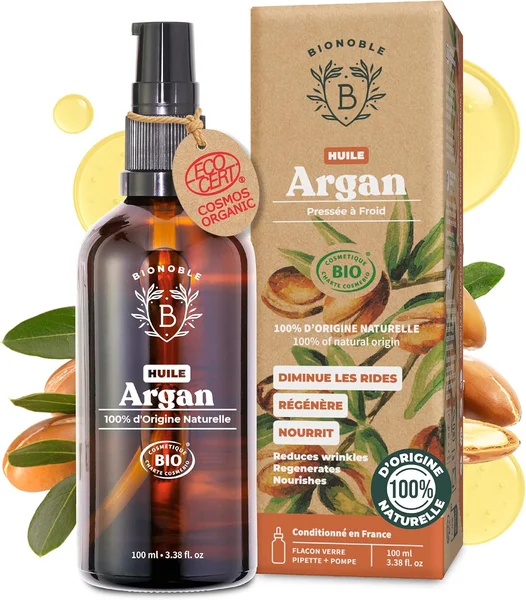
Favor oils certified ECOCERT, which guarantee organic production, environmentally friendly practices, and no harmful chemicals. This certification is a mark of traceability and authenticity.
3. Extraction Method: Cold Pressing
Cold pressing is the traditional and highest quality method to extract argan oil. It preserves nutrients, especially essential fatty acids and vitamin E, while avoiding the use of solvents.
4. Color and Smell
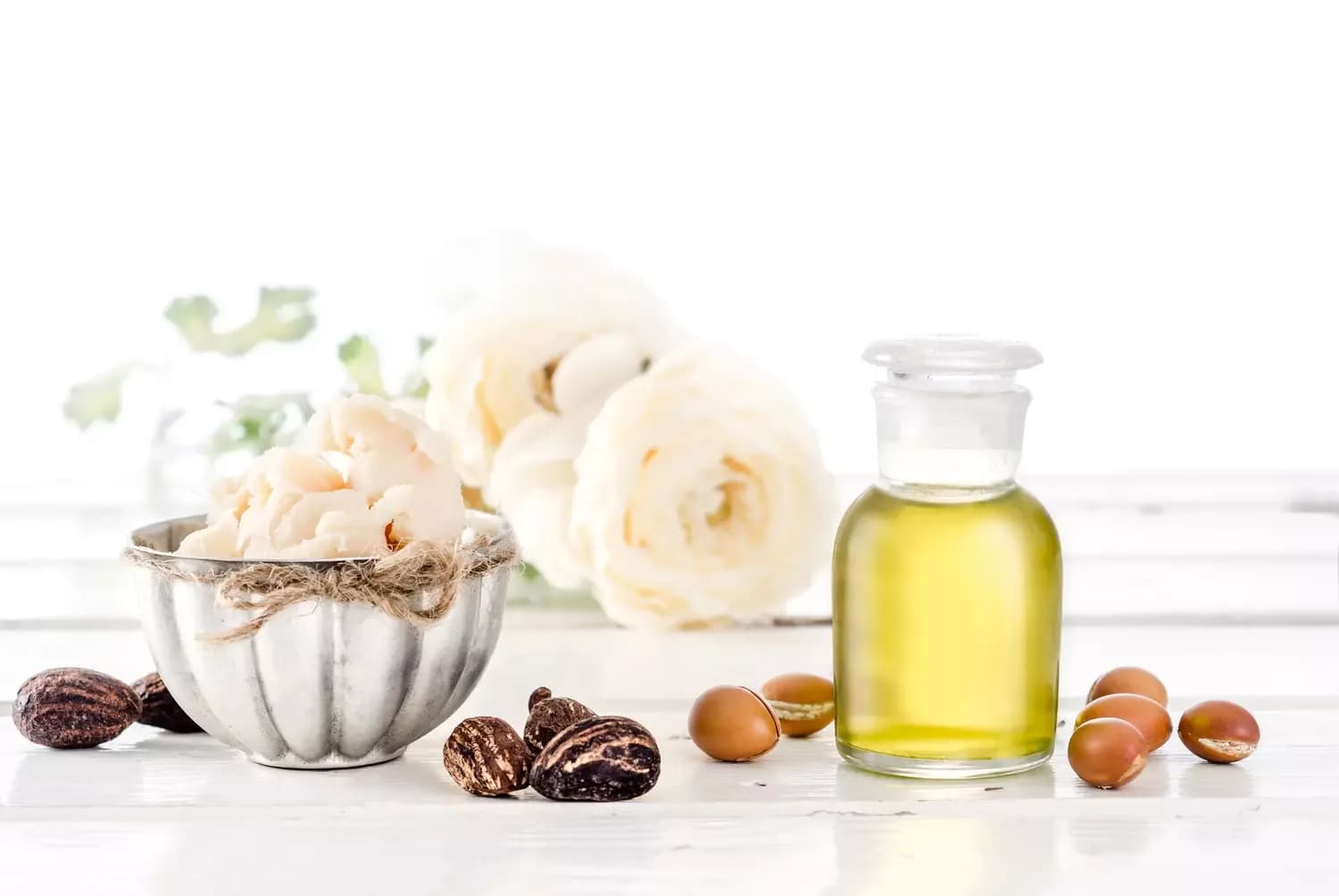
Pure argan oil is distinguished by its translucent golden color and a light, subtle, natural hazelnut scent. An oil that is too dark, colorless, or has a chemical smell should raise suspicion.
5. Dry and Non-Greasy Texture
Unlike some vegetable oils, pure argan oil penetrates the skin quickly without leaving a greasy film. Its so-called "dry" texture is an indicator of quality.
Indicative Price: Avoid Offers That Are Too Low
Price is often a good indicator. For pure and certified argan oil, expect between €15 and €40 for 100 ml. A significantly lower price may hide diluted or inferior quality oil.
How to Test the Purity of Your Argan Oil?
Absorption Test: apply a drop on the skin. Pure oil absorbs quickly without leaving a greasy film.
Olfactory Test: smell the oil. A natural hazelnut scent is normal; a strong or chemical smell is suspicious.
Solubility Test: pure argan oil does not mix easily with water but dissolves in alcohol. This method is more technical.
Visual Observation: the translucent golden color is a sign of purity, while a cloudy or too dark oil may be altered.
Mistakes to Avoid When Buying
Buying without checking the INCI list and certifications.
Relying solely on attractive packaging or marketing promises.
Choosing an oil with a price that is too low, which is a sign of dilution.
Ignoring the extraction method; always prefer cold pressing.
Not testing the oil before use, especially for sensitive skin.
Frequently Asked Questions
What Is the Difference Between Pure and Diluted Argan Oil?
Pure oil is extracted only from argan nuts without adding other oils. Diluted oil is mixed with other vegetable oils or substances, reducing its benefits.
How Should You Store Your Argan Oil?
Store it in a cool place, away from light and humidity, preferably in a tinted glass bottle to preserve its qualities.
Does Argan Oil Have an Expiration Date?
Yes, generally between 6 months and 1 year after opening. Rancid oil emits an unpleasant odor and should be discarded.
Can Pure Argan Oil Be Used on All Skin Types?
Yes, thanks to its light and non-comedogenic texture, it suits all skin types, even the most sensitive.
Why Is Argan Oil Often Called "Liquid Gold"?
Because of its golden color and numerous cosmetic and therapeutic virtues, argan oil is nicknamed "liquid gold."
Conclusion
Choosing pure and high-quality argan oil is essential to fully enjoy its benefits. Always check the INCI list, ECOCERT certification, extraction method, color, smell, and texture. Avoid offers that are too tempting and do not hesitate to test your oil before use. With these tips, you are ready to select the best argan oil in 2026.
 FR
FR EN
EN