Not sure which clay mask suits your skin? We break down white, green, ghassoul, and kaolinite clays based on whether your skin is dry, oily, sensitive, or acne-prone. Here are our practical tips for applying them right and avoiding common mistakes.
Is your skin feeling tight or, on the flip side, way too shiny? Have you tried several clay masks without success or even had unpleasant reactions? Honestly, here’s what no one tells you: each type of clay has its own action profile and isn’t suitable for every skin type. That’s often where we’ve gone wrong.
Choosing Your Clay Based on Your Skin Type
The secret to an effective clay mask is not just grabbing any clay. Here’s a clear, actionable rundown for you:
- White Clay (Kaolinite): perfect for dry and sensitive skin. It gently cleanses without irritation and soothes redness.
- Green Clay: ideal for oily and combination skin. It absorbs excess sebum, purifies pores, and fights imperfections.
- Ghassoul (or Rhassoul): a Moroccan treasure suitable for all skin types, even sensitive ones. It cleanses gently while nourishing.
- Pink Clay: great for sensitive and dull skin, combining softness with a radiant glow.
💡 Our Tip: If you have combination skin, try green clay on your T-zone and white clay on your cheeks for the perfect balance.
How Often Should You Use a Clay Mask?
It’s a question we all ask: too often and it irritates, too little and it does nothing. Here’s our tried-and-true advice:
- Oily to combination skin: 1 to 2 times per week.
- Dry or sensitive skin: once every two weeks.
- Acne-prone skin: maximum once a week, favoring gentle clays like ghassoul.
⚠️ Avoid: Never leave a clay mask on for more than 15 minutes, especially if your skin is sensitive. Drying clay can dehydrate or irritate your skin.
Common Mistakes That Ruin Your Clay Masks
We’ve sorted it out for you: here’s what’s really worth avoiding:
- Not matching the clay type to your skin — that’s fundamental.
- Using water that’s too hot to mix the clay, which can destroy its minerals.
- Applying on unclean skin: the mask won’t work effectively.
- Forgetting to moisturize afterward, especially if your skin is dry.
💡 Our Tip: For an even gentler mask, mix your clay with a bit of argan oil — perfect for nourishing without heaviness.
The Historical and Cultural Background of Ghassoul
Ghassoul, also known as rhassoul, is a natural mineral clay harvested from the Atlas Mountains in Morocco. Used for centuries by local communities, it’s one of the country’s most treasured traditional beauty products. Its reputation extends far beyond Morocco’s borders, thanks to its effectiveness and gentleness, making it a go-to for all skin types. In Moroccan culture, ghassoul is often part of beauty rituals, especially in hammams, where it purifies the skin while offering a unique sensory experience. This clay is also rich in essential minerals like magnesium, calcium, and potassium, which deeply revitalize the skin.
Tactical Tips to Maximize the Benefits of Clay Masks
Beyond choosing the right clay, how you apply it is key to seeing real results. For example, it’s best to apply the mask on thoroughly cleansed skin so pores are open and receptive. Strictly follow the recommended time to avoid over-drying, which can cause irritation or trigger rebound oiliness. For combination skin, it’s smart to use different clays on different areas, as mentioned earlier, tailoring the treatment to each part of your face. Lastly, moisturizing after the mask is essential because clay can be dehydrating. A solid routine combining masking, cleansing, and hydration ensures clear, soft, and balanced skin.
The Long-Term Impact of Clay Masks on Skin Health
Used correctly, clay masks can significantly improve skin quality over time. For oily and acne-prone skin, they help regulate sebum production and purify pores, reducing breakouts and blackheads. For sensitive or dry skin, they offer soothing care, reduce redness, and stimulate cell renewal. However, overuse or using the wrong type can backfire, weakening the skin barrier and causing tightness or irritation. It’s crucial to listen to your skin and adjust how often and which mask you use based on how your skin reacts. With regular but measured use, clay masks become a comprehensive skincare ally, contributing to a brighter complexion and healthier skin.
In Summary
Honestly, choosing your clay mask is mostly about knowing your skin. We highly recommend starting with ghassoul, a versatile Moroccan must-have, especially if you’re unsure or have sensitive skin. For oily skin, green clay is a staple, but be careful not to overdo it to avoid dryness. We’re less fans of overly frequent use or leaving masks on too long — these can do more harm than good.
The real question before buying: what’s your skin profile and your specific needs? That’s where it all comes down to. Our advice: if you remember just one thing, start with a ghassoul mask enriched with argan oil — you’ll notice the difference from the very first use.
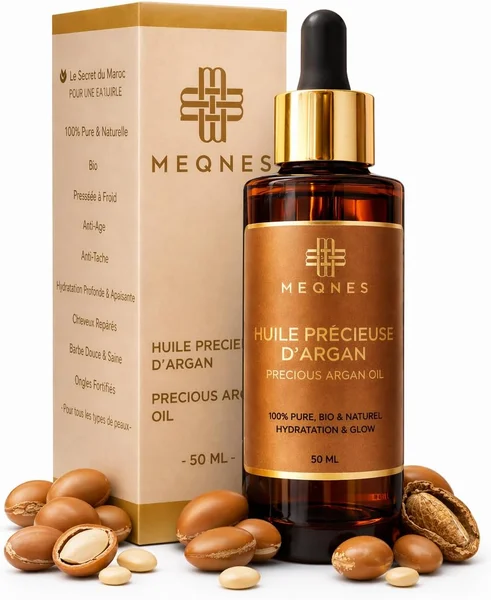
✨ Our Recommendation
Pure Organic Argan Oil – 100% Natural
Face, Hair & Nails – Anti-Wrinkle, Radiance & Hydration – Amber Glass Bottle 50ml
Buy Now →