Clay Face Mask: How to Choose According to Your Skin Type for an Effective Natural Treatment
Struggling to find the perfect clay mask for your skin? Whether you have dry, oily, sensitive, or acne-prone skin, we’ll tell you which type of clay to pick, how to use it, and most importantly, what to avoid so you don’t irritate your face.
Have you tried several clay masks without ever really being convinced? Your skin feels tight, it shines too much, or it reacts badly? Honestly, here’s what nobody tells you: every clay has its own characteristics and your skin has its own specific needs. Choosing the right clay is the foundation for a natural treatment that truly works.
Which Clay for Which Skin Type?
We’ve sorted it out for you: here are the most popular clays and who they suit.
White Clay (Kaolinite): perfect for sensitive and dry skin. It gently purifies without irritating or drying out.
Green Clay: the go-to for oily and combination skin. It absorbs excess sebum, cleanses pores, and mattifies the complexion.
Ghassoul: a Moroccan classic, ideal for normal to oily skin, with cleansing and softening effects.
Pink Clay: a light blend of white and red clay, suited for sensitive or dehydrated skin looking for a radiant boost.
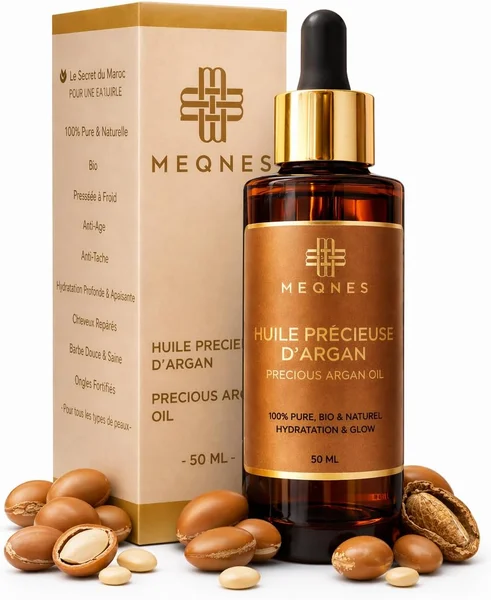
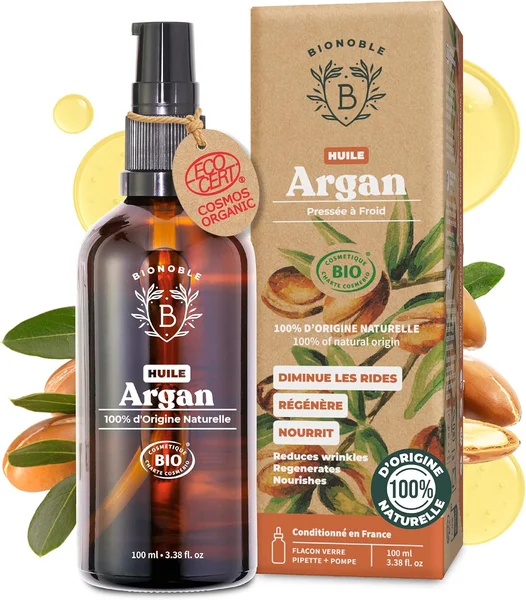
💡 Our Tip: To avoid any drying effect, choose a clay that matches your skin type and always add a natural moisturizer like argan or jojoba oil to your mixture.
How to Adjust Usage Frequency According to Your Skin?
The real question before buying a clay mask is: how many times a week can I use it without harming my skin?
Oily skin: 2 to 3 times a week to control sebum without drying out.
Dry or sensitive skin: maximum once a week to avoid irritation.
Combination skin: 1 to 2 times, focusing on oily areas (T-zone).
⚠️ Avoid: Leaving a clay mask on too long (over 15 minutes) can dehydrate your skin and cause tightness, even with a gentle clay.
Common Risks and Mistakes with Clay Masks
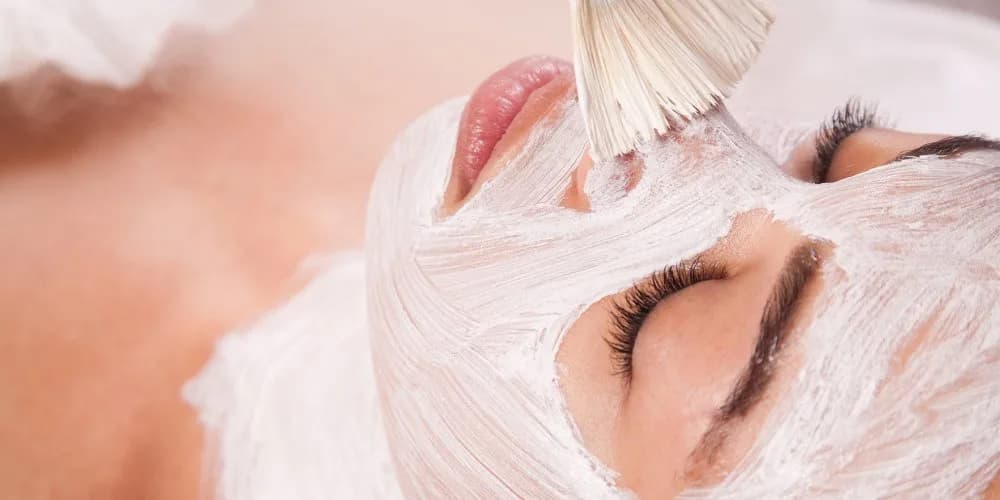
We recommend resisting the urge to let the mask dry completely on your face. This can cause tightness and damage your skin’s protective barrier.
Mix 1 tablespoon of clay with 1 tablespoon of mineral water or hydrosol.
Add 1 teaspoon of vegetable oil (argan, jojoba, or black seed) to prevent dryness.
Apply a thin layer on a clean face, avoiding the eye area.
Leave on for 10 to 15 minutes, then rinse with lukewarm water without rubbing.
Finish with a serum or moisturizer suited to your skin type.
The Traditional and Cultural Benefits of Clay in Moroccan Skincare
Clay, especially ghassoul, holds a central place in Moroccan beauty rituals for centuries. Traditionally used in hammams, it’s known for its absorbent and purifying properties. Ghassoul is harvested from the Atlas Mountains, a region rich in natural minerals, which gives it recognized effectiveness in deeply cleansing the skin while nourishing it. These ancient practices reflect a natural know-how passed down through generations, where simplicity and purity of ingredients are valued for healthy, lasting beauty.
Strategic Tips for Choosing Your Clay Mask According to the Seasons
Adjusting your clay mask according to the seasons is a smart strategy to maximize benefits for your skin. In winter, skin tends to be drier and more sensitive, so it’s best to use gentle clays like white or pink clay combined with nourishing oils to prevent tightness. Conversely, during warmer months or spring, when the skin produces more sebum, green clay or ghassoul helps regulate excess oil and prevent blemishes. This seasonal adaptation not only preserves skin balance but also improves texture and radiance all year round.
Perspectives and Tips for Incorporating Clay Masks into a Sustainable Beauty Routine
To get the most out of clay masks, it’s essential to integrate them thoughtfully into a beauty routine that respects your skin’s specific needs. The key is moderate regularity, avoiding overuse, while combining these treatments with proper hydration and daily sun protection. Additionally, pairing with other natural products like floral waters or vegetable oils can enhance the beneficial effects. Finally, opting for clays from responsible, unpolluted sources aligns with an ethical approach that helps preserve the environment while caring for yourself.
In Summary
Clay masks are a staple in natural skincare, provided you choose the right type of clay for your skin and respect the proper usage frequency. Honestly, here’s what nobody tells you: a clay that’s too harsh or a mask left on too long can do more harm than good.
What we love: the versatility of clays like ghassoul or green clay, which suit many combination to oily skin types.
What we like less: the temptation to overdo it, risking irritation or drying out sensitive skin.
Our advice: if you remember only one thing, it’s this — always patch test your mask on a small area, adjust frequency based on how your skin feels, and most importantly, moisturize well afterward. With this ritual, your skin will regain glow and balance without compromise.
Finally, based on available data, don’t forget that ghassoul is a star of Moroccan skincare, recommended by many experts for its cleansing and softening virtues, ideal if you’re looking for a natural alternative to classic clays.
 FR
FR EN
EN