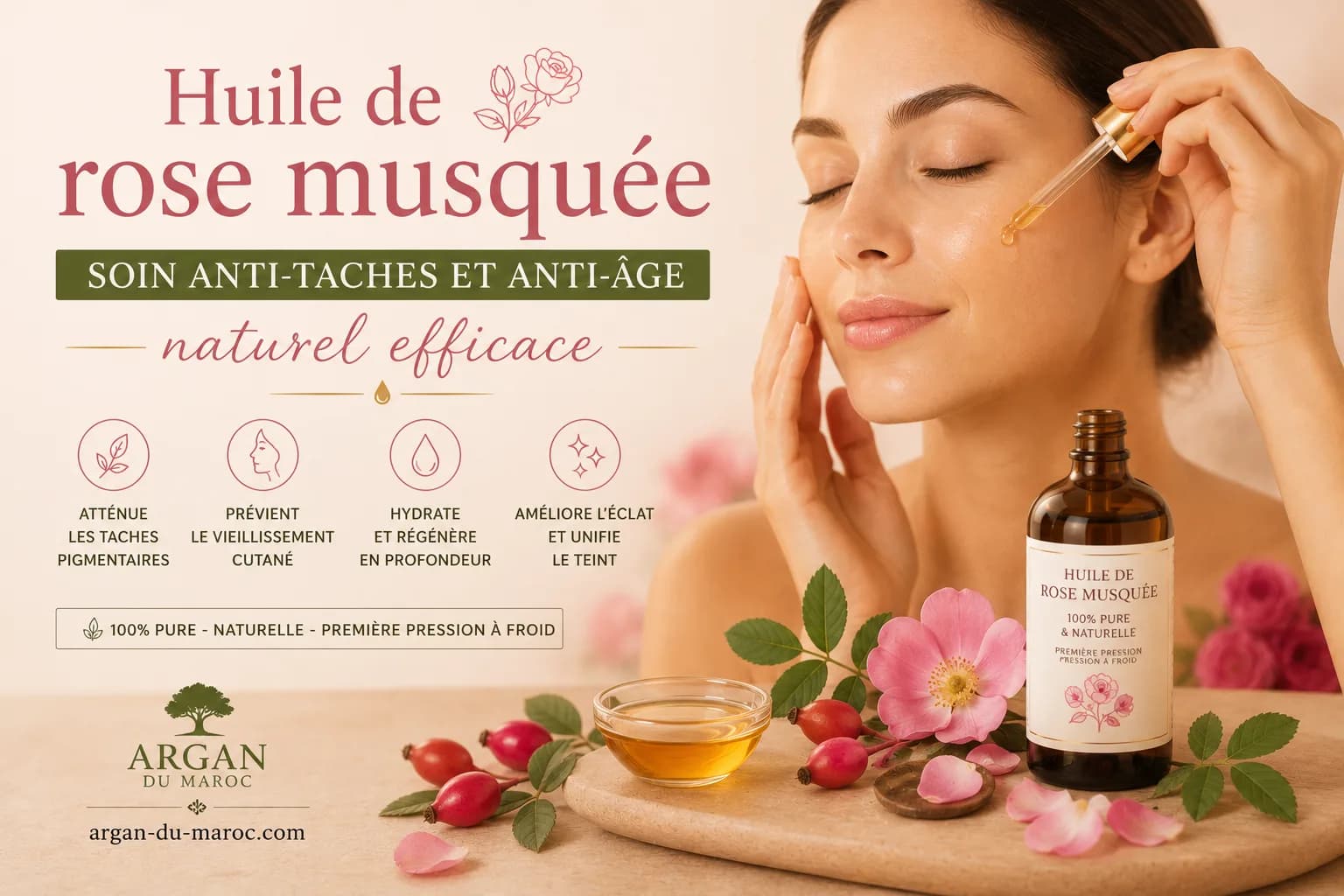
Rosehip Oil: An Effective Natural Anti-Ageing and Spot Treatment in 2024
Struggling with dark spots, scars, or wrinkles and can’t find the perfect solution? We’re sharing everything about rosehip oil—its origins, anti-ageing benefits, and application secrets for visibly clearer, younger-looking skin.
Are you noticing pigment spots settling in, scars that won’t fade, or wrinkles starting to mark your face? Honestly, here’s what nobody tells you: rosehip oil is the secret weapon missing from your natural anti-ageing routine. But beware, not all oils are created equal—their origin plays a key role, as does how they’re stored and applied.
Why Rosehip Oil Really Works on Spots and Wrinkles
This plant-based oil is packed with essential fatty acids, especially omega 3 and 6, which promote cell regeneration. Experts say this blend deeply nourishes the skin, helps fade scars, and evens out the complexion by reducing dark spots.
Chile vs Morocco Origin: Which Oil Should You Choose?
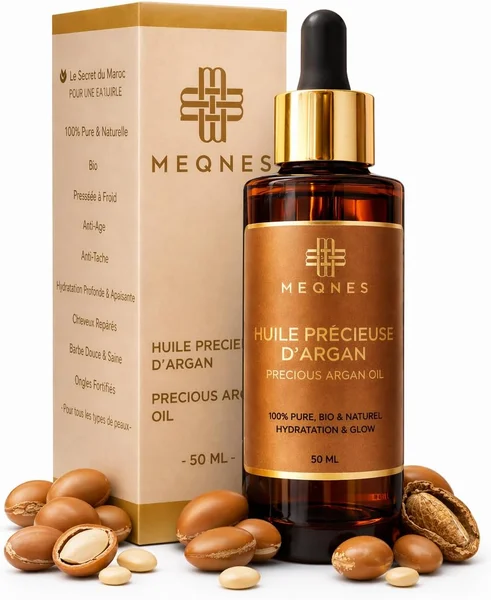
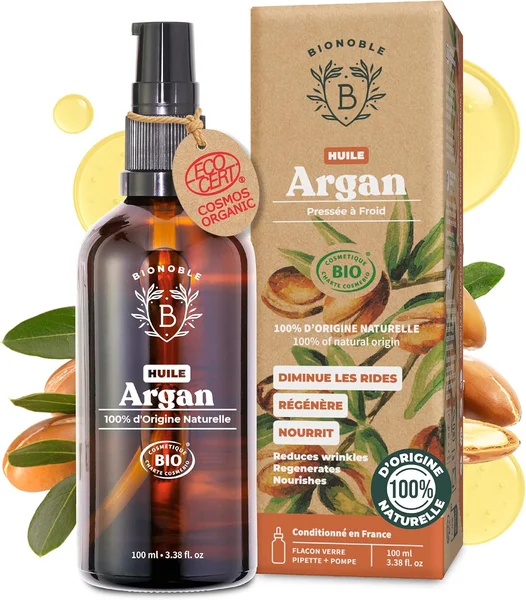
We’ve done the sorting for you: Chilean rosehip oil is the most renowned, often cold-pressed and organic. It’s rich in antioxidants and polyunsaturated fatty acids. However, in Morocco, some regions also produce quality oil, often blended with other local oils like argan to boost anti-ageing effects.
The real question before buying: opt for 100% pure oil, cold-pressed, with a controlled cold supply chain, and packaged in opaque glass to prevent oxidation.
💡 Our Tip: Store your rosehip oil in a cool, dark place to preserve its anti-ageing properties and prevent it from going rancid.
How to Incorporate Rosehip Oil into Your Beauty Routine
Apply it at night on clean skin, gently massaging the areas you want to target (spots, wrinkles, scars).
Combine it with a light moisturizer to maximize hydration without overloading your skin.
For very dry skin, mix a few drops with your usual cream or treatment oil.
Avoid direct sun exposure after application to prevent any pigmentation reactions.
⚠️ Avoid: Don’t mix rosehip oil with harsh chemical products (strong acids, retinoids) without professional advice to prevent irritation.
Our Tested Protocol: What Results to Expect?
We tested daily use over 4 to 6 weeks. Result: pigment spots visibly faded, skin texture became smoother, and fine lines less noticeable. The skin looks brighter and more even.
According to available data, the oil works deeply thanks to its richness in essential fatty acids and natural vitamin A, stimulating collagen production gently.
A Precious Natural and Historical Heritage
Rosehip oil originates from regions where wild roses grow naturally, especially in Chile, where indigenous populations have used it for centuries for its medicinal virtues. Traditionally, it was used to treat burns, scars, and skin conditions, making it a true natural treasure. In Morocco, although less historically known, the use of plant oils in skincare is an ancestral craft passed down through generations, notably through argan oil. Rosehip fits perfectly into this tradition of natural cosmetics, enriching Morocco’s beauty heritage.
Tactical Challenges in Skincare Formulation
To maximize rosehip oil’s benefits, manufacturers now adopt precise approaches in their product formulations. The goal is to combine this oil with complementary ingredients like vitamin E or argan oil to optimize protection against skin ageing and oxidative stress. These blends ensure better epidermal penetration and prolonged action. Tactically, this meets the growing demand for effective natural skincare without compromising texture or comfort—a key factor in retaining discerning customers.
Long-Term Impact on Your Beauty Routine
Adding rosehip oil to your skincare isn’t a one-off step but a long-term commitment to skin health. Used regularly, it can not only reduce visible ageing signs but also strengthen the skin barrier, improving resistance against external aggressors like pollution and UV rays. Aesthetically, this means a more even complexion, better elasticity, and an overall feeling of comfort. By adopting this oil in your daily ritual, especially combined with other natural Moroccan oils, you invest in sustainable care that respects your skin and the environment.
Our Verdict
We wholeheartedly recommend adding pure rosehip oil to your natural anti-ageing routine if you want targeted care against spots and ageing signs. Honestly, here’s what nobody tells you: the quality and storage of the oil make all the difference. Poorly stored oil loses its effectiveness and could even irritate your skin.
Our advice: if you remember only one thing, choose organic, cold-pressed oil in a dark glass bottle, stored in a cool place. That’s what guarantees truly effective spot and anti-ageing care.
What we take away: rosehip oil is a natural, accessible must-have that perfectly complements a Moroccan beauty ritual, especially when paired with argan oil. It’s a sustainable beauty investment for radiant, visibly rejuvenated skin.
In Summary
Rosehip oil proves to be an essential natural treatment to fight pigment spots, scars, and signs of ageing. Its richness in omega 3 and 6 combined with natural vitamin A makes it a powerful ally for skin regeneration. Whether you choose a renowned Chilean oil or a local Moroccan production, the key is to opt for pure, cold-pressed, well-preserved oil to fully enjoy its benefits. By wisely incorporating it into your beauty routine, you’re betting on an effective, gentle, and lasting treatment that fits perfectly with natural cosmetics traditions and meets the needs of mature or sensitive skin.
 FR
FR EN
EN