FR
FR EN
EN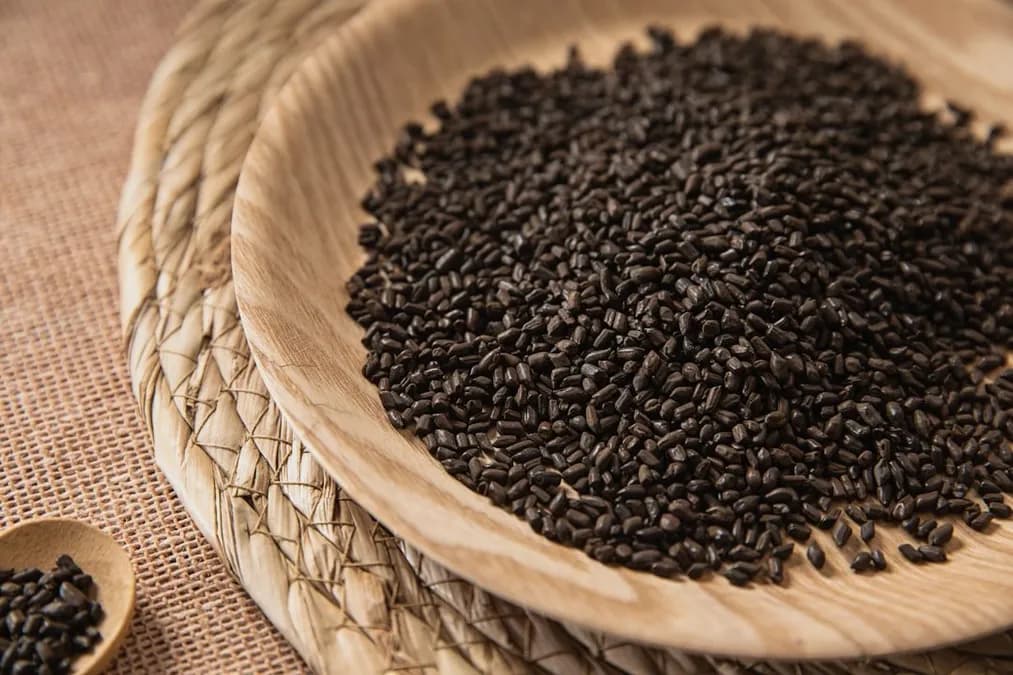
Nigella Oil: A Natural Treasure with Multiple Virtues
Nigella oil, extracted from the seeds of Nigella sativa, has been used for centuries in traditional medicine. Its richness in thymoquinone, a powerful bioactive compound, gives it antioxidant, anti-inflammatory, and immunomodulatory properties recognized by modern scientific research.
The Active Ingredient: Thymoquinone
Thymoquinone is the main active compound in nigella oil. Studies show that it plays a key role in regulating the immune response and reducing inflammation. These properties explain its potential in treating various conditions, particularly skin disorders.
Effects on Immunity and Inflammation
Research indicates that thymoquinone can stimulate certain immune functions while inhibiting inflammatory mediators. This dual action is promising for enhancing the body's natural defenses and soothing chronic inflammation.
Dermatological Applications: Psoriasis, Eczema, and Acne
Thanks to its anti-inflammatory and antimicrobial virtues, nigella oil is particularly effective in relieving skin disorders such as:
- Psoriasis: reduction of redness and itching due to its soothing effects.
- Eczema: improvement of hydration and reduction of inflammation.
- Acne: fighting bacteria responsible for outbreaks and regulating sebum production.
Its topical application promotes skin repair and the restoration of the skin's protective barrier.
External Use Instructions
To benefit from its properties, it is recommended to apply 2 to 3 drops of pure nigella oil on the affected area. A gentle massage helps absorption and effectiveness. The oil can be used alone or combined with other vegetable oils, notably argan oil, to enhance its moisturizing and nourishing properties.
Nigella Oil and Argan Oil: A Natural Synergy
Combined, these two Moroccan oils offer comprehensive skin care. Argan oil provides essential fatty acids and vitamin E, while nigella oil acts as a natural anti-inflammatory. This synergy is ideal for sensitive or inflammation-prone skin.