Moringa Oil vs Argan Oil: The Natural Skincare Showdown for Face and Hair
Looking for a natural treatment that cleanses, protects, and nourishes your skin and hair? Our comparison between moringa oil and argan oil helps you pick the green gold that truly fits your daily beauty needs.
Do you have sensitive skin or dull hair and have already tried dozens of natural products without much success? Honestly, here’s what nobody tells you: moringa oil might just be the beauty revelation we wish we’d discovered sooner. But how does it stack up against the Moroccan star, argan oil?
Why is moringa oil called the green gold of African cosmetics?
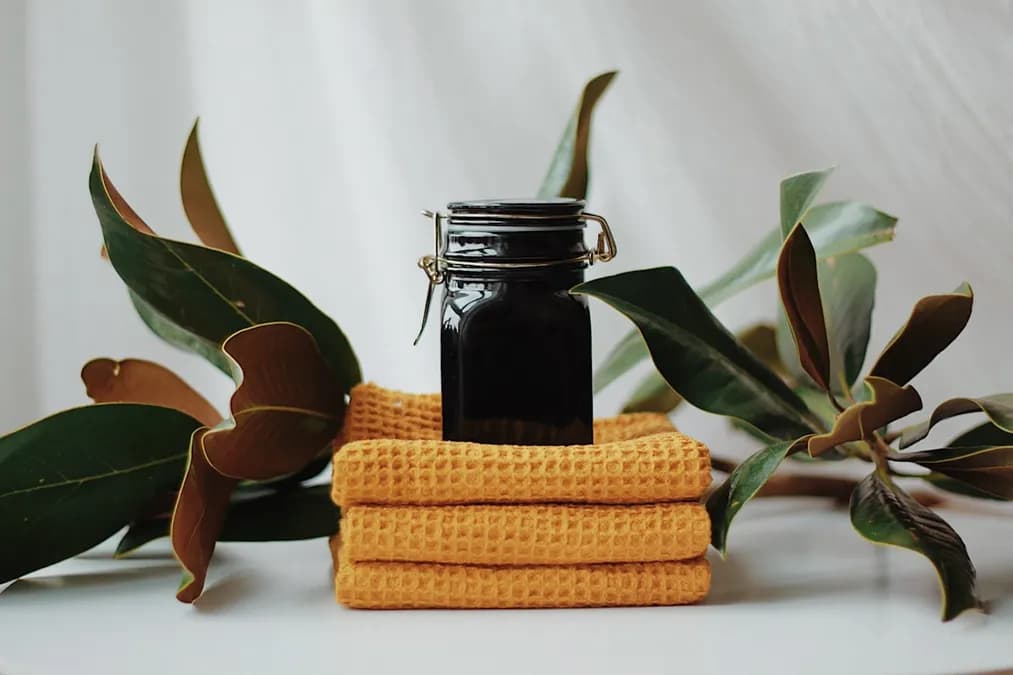
Moringa oil is extracted from the seeds of the Moringa oleifera tree, nicknamed the miracle tree. What makes it unique is its exceptional cleansing and anti-pollution power. It acts like a true shield against external aggressions, perfect for city dwellers exposed to oxidative stress.
As a natural makeup remover, applied with a cotton pad to eliminate impurities and makeup.
As a facial serum, alone or mixed with your cream to boost hydration and skin protection.
As a hair treatment, as a pre-shampoo mask to nourish lengths and soften the scalp.
💡 Our tip: gently warm a few drops of moringa oil between your hands for better absorption and a relaxing effect during massage.
Concrete comparison: texture, scent, and application
What we love about moringa oil: its light texture that doesn’t leave a greasy film, its delicate vegetal scent, and its ability to purify skin without drying it out.
What we like less: it can be a bit harder to find in 100% pure quality, so make sure to check the source carefully.
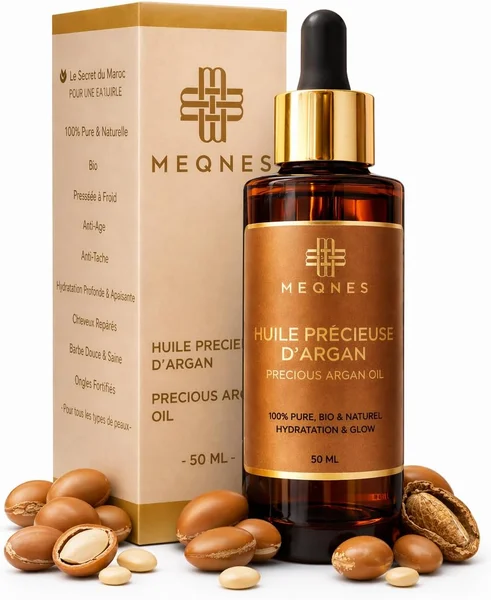
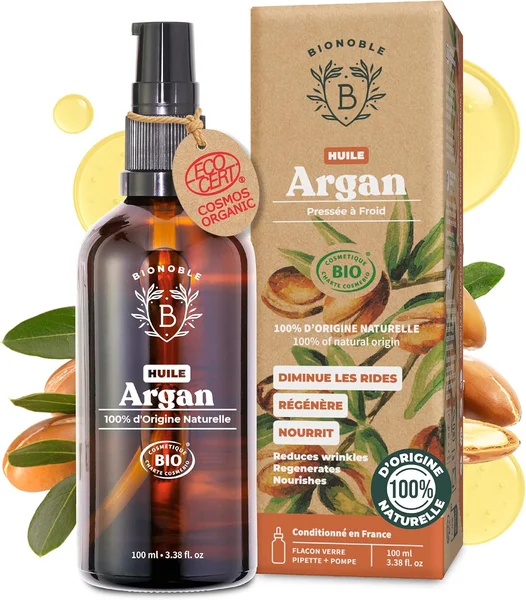
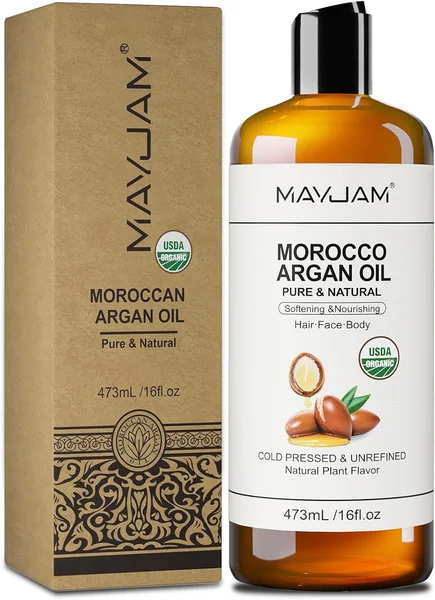
Argan oil, by comparison, has a thicker texture and a stronger scent, but it’s very stable and renowned for its visible anti-aging effects.
⚠️ Avoid: buying moringa or argan oils that aren’t certified organic or cold-pressed, as this diminishes their benefits.
The ecological and social benefits of moringa oil
Beyond its cosmetic virtues, moringa oil plays an important role in sustainable development in Africa. Moringa cultivation requires little water and adapts very well to arid soils, making it a precious resource in the face of climate challenges. Moreover, its production supports the local economy by creating jobs in rural areas, especially for women who participate in seed harvesting and oil production.
This ethical aspect is increasingly appealing to consumers who want to combine beauty with responsibility. By choosing a fair-trade certified moringa oil, you help support these communities while enjoying a natural and environmentally friendly product.
Tips for choosing your moringa oil wisely
To fully benefit from moringa oil’s virtues, it’s essential to opt for quality products. Always choose 100% pure, organic, cold-pressed oil, as these criteria ensure optimal preservation of natural active ingredients. Beware of blended or refined oils that can lose much of their properties.
Also, check the origin: oils from West or East Africa are often a guarantee of authenticity, as they respect traditional extraction methods. Finally, prefer small containers with tinted glass bottles to protect the oil from light and oxidation.
In summary
Let’s be honest: moringa oil is a hidden gem still too little known that deserves a prime spot in your natural routine, especially if you’re sensitive to pollution or have combination skin.
However, argan oil remains an unbeatable bestseller for its nourishing and anti-aging properties. Our advice: if you have to pick just one, choose based on your skin type and specific expectations.
For a complete routine, we even recommend combining both, alternating according to your current needs. Remember that in natural cosmetics, consistency and product quality make all the difference.
Finally, always prioritize 100% pure, organic, cold-pressed oils to fully enjoy the authentic virtues of these African green golds.
 FR
FR EN
EN