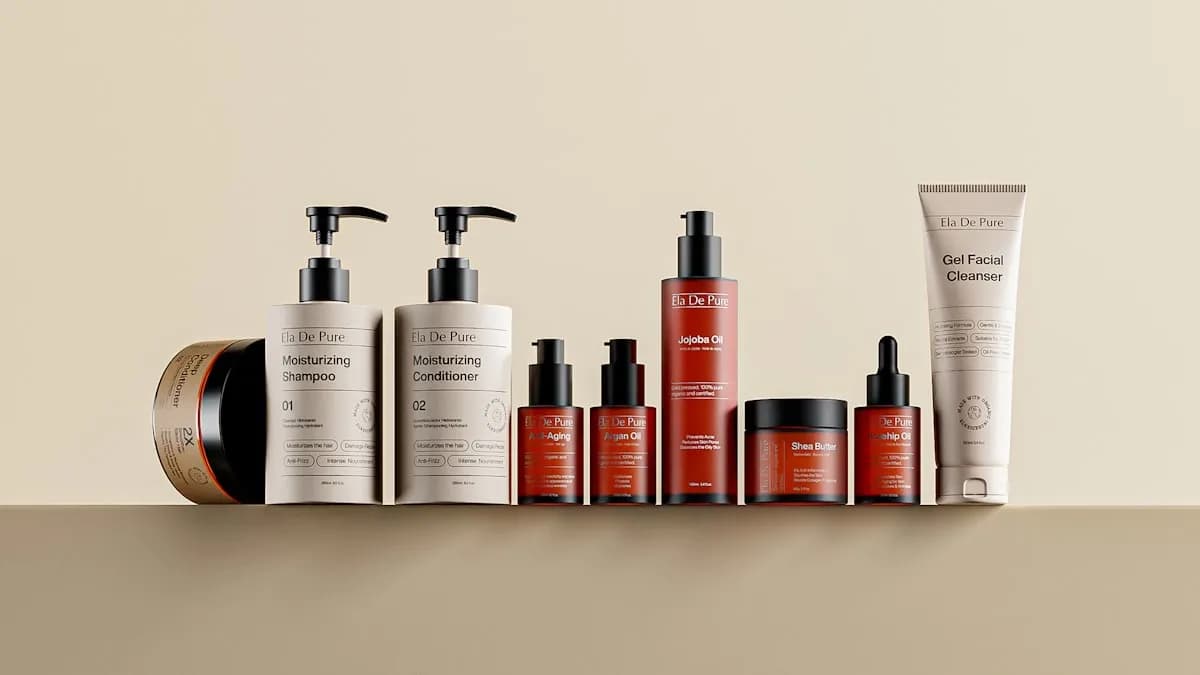
Tired of choosing between hydration and excess oil? Jojoba oil, your natural ally, mimics sebum to balance all skin types. Discover how to use it solo or paired with argan oil for the perfect glow.
Is your skin too shiny or, on the contrary, feeling tight? Or maybe both at the same time, with that stubborn T-zone that just won’t cooperate? Honestly, here’s what nobody tells you: the secret to balanced skin often lies in a plant oil that respects your skin’s natural protective layer. That’s where jojoba oil comes in.
Why Jojoba Oil Is Unique for All Skin Types
What makes jojoba oil exceptional is its composition, which closely resembles human sebum. This means it acts as a natural regulator. In practice, it will:
- Hydrate without weighing down
- Regulate sebum production
- Soothe inflammations
- Protect the skin barrier
From dry to oily skin, including combination skin, it adapts to rebalance and nourish without leaving a greasy or comedogenic effect.
💡 Our tip: Use jojoba oil as a nighttime serum, alone or mixed with a few drops of argan oil, for a double dose of nourishment and anti-aging benefits.
How to Use Jojoba Oil According to Your Skin Type
We’ve tested several routines, here’s what really works:
- Oily skin: apply 2-3 drops on clean skin, gently massaging to calm excess sebum production.
- Combination skin: target dry areas with pure jojoba oil, and the T-zone with a jojoba + argan blend to balance.
- Dry skin: use a thin layer morning and night; the oil nourishes without leaving a greasy film.
⚠️ Avoid: Don’t overdo it—3-4 drops are enough. Too much can clog pores, even though it’s non-comedogenic.
Why Combine Jojoba and Argan?
Argan oil is a classic anti-aging and reparative oil, rich in vitamin E and essential fatty acids. When paired with jojoba, it offers:
- Intense hydration
- An antioxidant boost
- Improved skin texture
This combo is especially popular for mature or stressed skin that needs both balance and protection.
💡 Our tip: Mix 2 drops of jojoba oil with 1 drop of argan oil, warm slightly between your hands, then apply to face and neck.
Precautions to Keep in Mind
Jojoba oil is generally well tolerated, but be careful:
- Always patch test on a small area before regular use
- Avoid contact with eyes
- Store the oil away from light and heat to preserve its benefits
Origins and Historical Context of Jojoba Oil
Jojoba (Simmondsia chinensis) is a plant native to the desert regions of North America, especially the southwestern United States and northern Mexico. Used for centuries by indigenous peoples, the oil extracted from jojoba seeds was traditionally used to protect skin and hair from harsh climatic conditions. This ancestral knowledge has been passed down through generations and gradually integrated into modern cosmetics thanks to its unique properties. Today, jojoba oil is globally recognized for its versatility and effectiveness, especially in caring for sensitive and reactive skin.
This plant oil stands out for its durability and resistance to oxidation, making it a stable product for daily use. Its extraction is also environmentally friendly, often done by cold pressing, which preserves all its natural qualities. The current craze for natural and organic products has helped bring jojoba oil back into the spotlight, confirming its essential role in contemporary beauty routines.
Tactical Considerations in Using Plant Oils
In skincare, the challenge is to find a balance between hydration, protection, and sebum regulation, especially for combination to oily skin. Jojoba oil plays a strategic role due to its chemical structure similar to the skin’s natural lipids. It tricks the skin into thinking it has produced enough sebum, which limits the overproduction often responsible for shine and blemishes.
Moreover, combining jojoba oil with others like argan optimizes effects through a synergy of active ingredients. Argan oil provides nourishing and antioxidant effects while jojoba regulates and soothes. This tactical approach in skincare formulation targets multiple skin needs simultaneously, making the care more complete and effective. It’s especially relevant for skin exposed to environmental aggressors and premature aging.
Impact of Jojoba Oil on Skin Health and Future Uses
Regular use of jojoba oil helps strengthen the skin barrier, improving skin resilience against environmental aggressors like pollution, wind, or climate changes. This enhanced protection reduces inflammation and redness, promoting a more even and radiant complexion. Additionally, thanks to its soothing properties, the oil is ideal for calming irritations and redness, especially for sensitive or eczema-prone skin.
Looking ahead, jojoba oil’s uses are expanding with its integration into innovative formulations, particularly in anti-aging products and treatments for problematic skin. Its hypoallergenic profile and compatibility with all skin types make it a favored ingredient in natural cosmetics. Plus, its use extends beyond the face, with applications for hair and body, reinforcing its status as an essential plant oil.
In Summary
Honestly, here’s what nobody tells you: if you’re looking for a versatile plant oil that adapts to all skin types, jojoba oil is a must-have. We love its ability to mimic sebum and rebalance without heaviness. Our advice: if you remember only one thing, it’s the jojoba + argan duo that offers an unbeatable natural combo of hydration, protection, and anti-aging. We’ve done the sorting for you: here’s what’s truly worth it to regain healthy, glowing skin without compromise.
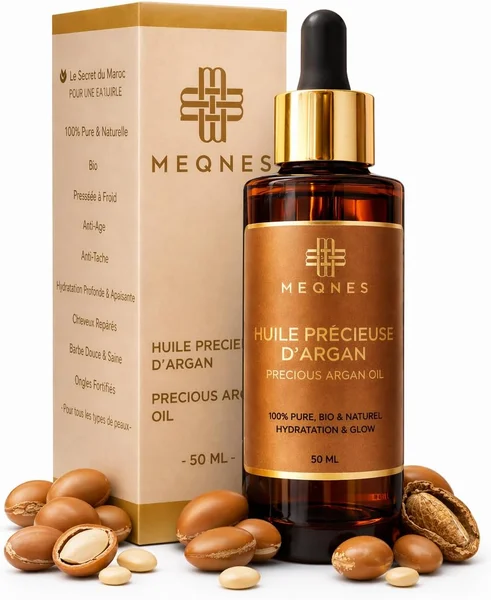
✨ Our Recommendation
Pure Organic Argan Oil – 100% Natural
Face, Hair & Nails – Anti-Wrinkle, Radiance & Hydration – Amber Glass Bottle 50ml
Buy Now →