Coconut Oil or Argan Oil: Which One’s Best for Your Skin and Hair?
Torn between coconut oil and argan oil for your natural beauty routine? We’ve tested these two Moroccan and exotic treasures for you, sharing what really works for skin and hair, plus the pitfalls to avoid.
Is your skin too shiny or your hair feeling tight? Have you tried countless oils without finding the holy grail? Honestly, here’s what nobody tells you about coconut oil and argan oil — two natural beauty stars that aren’t for everyone.
Coconut Oil: A Gentle Myth for Oily Skin?
Coconut oil is praised for its nourishing benefits, but is it really suitable for all skin types? Spoiler alert: no. If you have oily or combination skin, it can quickly turn into a nightmare by clogging pores and causing breakouts.
That said, it’s perfect for dry skin thanks to its intense moisturizing power and reparative action. On hair, it strengthens and protects the strands, but beware of how you use it: too heavy, it can weigh down fine hair and make it greasy.
⚠️ Avoid: Applying pure coconut oil on oily skin or a flaky scalp can worsen the issues.
Argan Oil: The Moroccan Treasure That Loves Everyone
Argan oil is a staple in natural beauty routines, especially for its incredible balance of nourishment and lightness. It absorbs quickly, leaves no greasy residue, and suits all skin types — even the most sensitive or oily.
For hair, it helps repair split ends and adds shine without weighing hair down. According to many users’ experience, it’s a safe choice for daily care without the risk of greasy buildup.
💡 Our Tip: For best results, apply argan oil on slightly damp hair, focusing on the lengths and ends.
Practical Comparison: When and How to Use These Oils?
Dry skin: Coconut oil for deep hydration as a night treatment, argan oil for daily comfort.
Oily or combination skin: Opt for argan oil, which is much lighter and non-comedogenic.
Dry, damaged hair: Both oils can be used, but argan oil is easier to dose without greasy effects.
Fine hair: Choose argan oil; coconut oil can weigh the strands down.
💡 Our Tip: Mix a few drops of argan oil into your moisturizer to boost its effectiveness without heaviness.
Common Misconceptions to Forget
It’s tempting to believe coconut oil is a universal miracle treatment, but science and experience show its use should be moderated depending on your skin and hair type.
Similarly, while argan oil is very versatile, it’s not a magic wand: a complete routine is still necessary for truly lasting results.
The Ancient History of Argan Oil and Its Cultural Roots
Argan oil is much more than just a cosmetic product; it’s the result of an ancient tradition deeply rooted in Moroccan culture. Extracted from the nuts of the argan tree, native to southwestern Morocco, this oil has been used by local populations for centuries for its nourishing and protective properties. The traditional extraction method, often involving manual grinding, is a craft passed down through generations, especially within women’s cooperatives. This strong connection between the local community and argan oil production gives the product significant social and economic importance, while ensuring exceptional quality. This history also explains why argan oil today enjoys worldwide reputation and a protected designation of origin label, safeguarding its authenticity and quality.
Tactical Considerations When Using Natural Oils in Your Beauty Routine
Choosing between coconut oil and argan oil isn’t just about personal preference; it’s also about strategically adapting to your specific needs. For example, using coconut oil as an occasional repair treatment during an intensive hair mask can be an effective way to strengthen fragile hair, but using it daily on an oily scalp can backfire. Argan oil, thanks to its light texture and quick absorption, fits more easily into a daily routine, helping maintain balance without overload. Understanding these subtleties helps avoid common mistakes, like over-applying coconut oil, which can disrupt your skin’s balance. So, a personalized approach that considers individual reactions and your skin or hair type is essential to get the most out of these natural treasures.
Impact and Outlook for Your Beauty Routine
Incorporating argan oil or coconut oil into your routine can transform the condition of your skin and hair, but it’s important to gauge the medium- and long-term effects. Argan oil, by promoting cell regeneration and providing antioxidants, contributes to gradual improvement in texture and skin health, which is especially beneficial for combination or sensitive skin. Coconut oil offers a more immediate effect in cases of severe dryness, but its use should remain occasional to avoid unwanted side effects. Looking ahead, combining these oils with other suitable treatments can amplify results, especially by alternating applications based on seasonal needs or changes in your skin and hair. This adaptability is key to an effective and lasting beauty routine that respects the nature of your skin and scalp.
In Summary
We’ve sorted it out for you: here’s what’s really worth it. For oily or combination skin, argan oil is clearly the best ally — light and effective. For very dry skin, coconut oil can be a powerful treatment, provided you use it sparingly and not daily.
As for hair, argan oil is our favorite for regular use, while coconut oil is better reserved for occasional repair masks. Our advice: if you have to pick just one, go for argan oil — much more versatile and without the risk of greasy excess.
Honestly, here’s what nobody tells you: coconut oil isn’t necessarily the miracle treatment everyone raves about, especially if you have sensitive skin or scalp. Argan oil, on the other hand, deserves its reputation thanks to its natural balance and proven benefits from use in Morocco and beyond.
✨ Our Recommendation
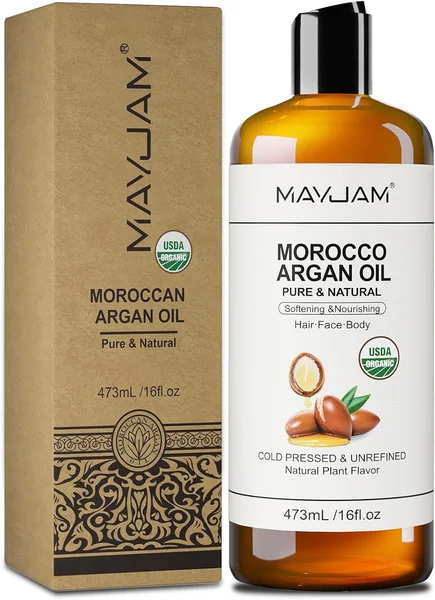
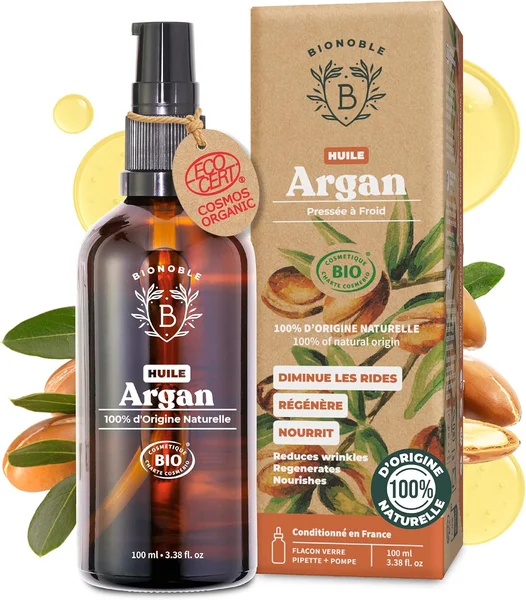
Organic Argan Oil 473ML, Argan Hair Oils
Cold-Pressed Pure Natural Argan Hair Oils, Care Oil for Face, Skin, Hair, Moisturizing & Anti-Aging
 FR
FR EN
EN