FR
FR EN
ENcheveux
Coconut Oil: Skin and Hair, Myths vs. Realities
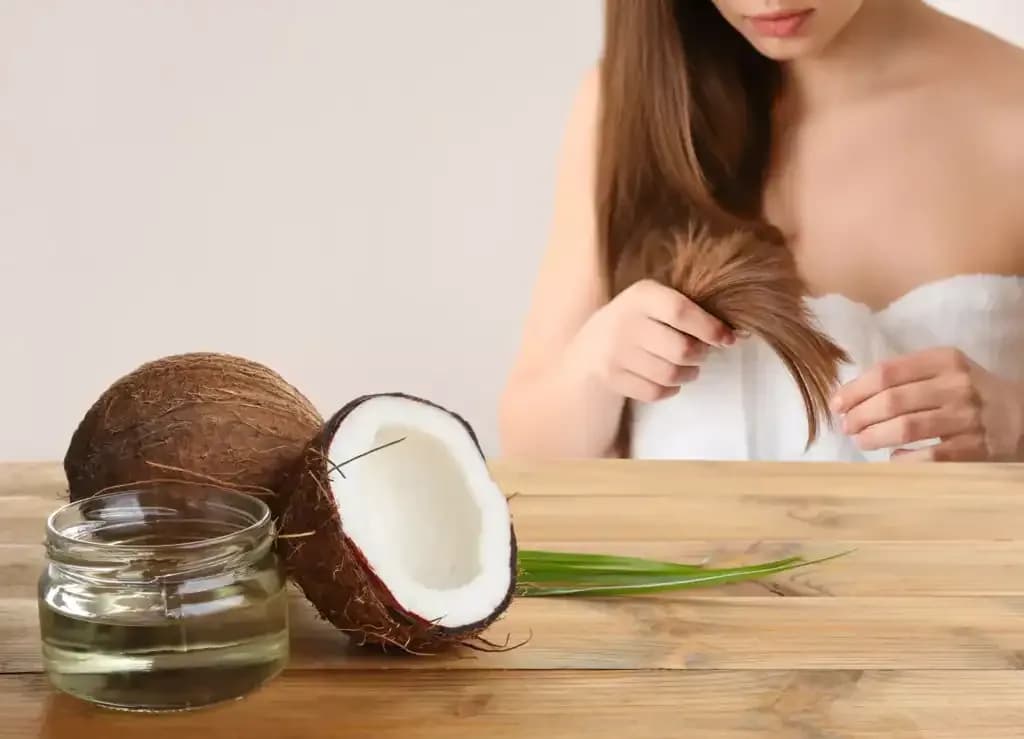
Hesitant about adding coconut oil to your beauty routine? Let's separate fact from fiction regarding its benefits for skin and hair. Is it truly a miracle solution? We're telling you everything.
AR
dimanche 31 mai 2026 à 16:595 min
#huile de coco#soins cheveux naturels#soins visage naturels#soins visage#soin visage#skincare#face care#hydratation peau#cosmétiques naturels#beauté naturelle#soins naturels#natural beauty
Coconut Oil for Hair: The Verdict
We've tested it, and we've seen it: on hair, coconut oil can work wonders, provided you use it correctly.- Deep Hydration: Applied as an oil mask before shampooing, it intensely nourishes the hair fiber, making it more supple and less prone to breakage.
- Increased Shine: In small amounts on the lengths and ends after styling, it provides a luminous finish and helps tame frizz.
- Protection: It can help protect hair from external aggressors, like heat from hairdryers or pollution.
💡 Our Tip: For a complete hair treatment, mix coconut oil with a few drops of argan oil. Argan provides essential fatty acids and vitamin E, a winning duo for scalp health and hair shine.
Coconut Oil and Skin: Is It a Good Idea?
This is where things get a bit trickier. While coconut oil is often presented as a universal moisturizer, it's not suitable for all skin types.- Dry and Normal Skin: It can provide appreciable comfort and help maintain soft skin.
- Acne-Prone or Oily Skin: Be cautious here. Coconut oil is often classified as comedogenic (index 4 out of 5). This means it has a high probability of clogging pores and therefore promoting breakouts.
⚠️ To Avoid: Using pure coconut oil as a makeup remover if you have blemish-prone skin. You risk worsening the problem by clogging your pores. Prefer makeup remover oils specifically formulated for combination to oily skin.
Coconut Oil vs. Argan Oil: The Showdown
We're often asked about the difference with our beloved argan oil. It's an excellent question! Both are precious, but different. Argan oil is less comedogenic than coconut oil, making it more versatile for the face, even for combination to oily skin. It's rich in unsaturated fatty acids (omega 9 and 6) and vitamin E, a powerful antioxidant. Therefore, it's ideal for anti-aging, hydration, and skin repair. Coconut oil, on the other hand, excels in intense hair nourishment thanks to its specific composition of saturated fatty acids that penetrate the hair fiber well. For the body, it's also very effective for moisturizing very dry areas like elbows or knees. The real question to ask yourself before buying: what is your skin and hair type?Our Tested Protocol: How to Integrate It Properly?
If you decide to try coconut oil, here's how to incorporate it without making mistakes.- As a Hair Mask: Apply generously to dry hair, from roots to ends. Leave on for at least 30 minutes (or overnight for intensive care) before rinsing and shampooing as usual.
- For the Body: After showering, while skin is still slightly damp, massage a small amount onto dry areas (legs, arms, feet). It absorbs quickly and leaves skin soft.
- As a Cuticle Treatment: One drop on each nail is enough to nourish and soften cuticles.
Our Verdict
Coconut oil isn't a universal magic wand, but an excellent ally when used wisely. For hair, it offers incredible hydration and nourishment, especially for dry and damaged types. For skin, its comedogenic potential makes it tricky to use on the face for problem skin. We prefer it for the body, where it's a wonderful moisturizer. If you're looking for a more versatile facial oil, our hearts still belong to argan oil, which is more balanced and protective. The key is to know your skin and hair well to choose the most suitable treatment.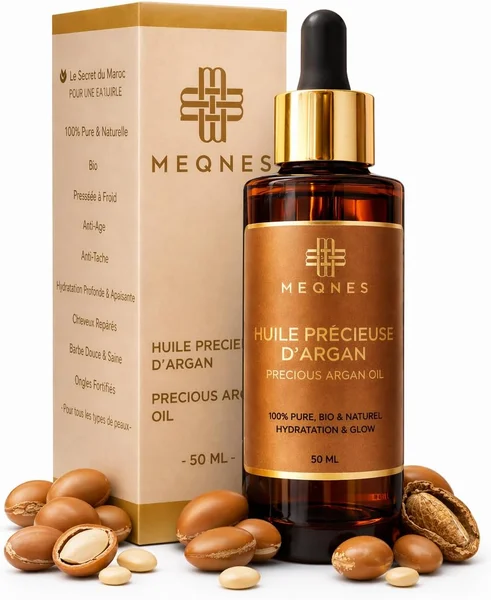
Was this article helpful?
Commentaires
Connectez-vous pour laisser un commentaire