Certified Pure Organic Argan Oil: How to Decode Labels and Avoid Scams
You've fallen for organic argan oil, but how can you be sure it's truly pure and effective? We'll guide you through reading labels, decoding the INCI ingredients, and steering clear of market traps.
Have you ever bought organic argan oil that was nothing like what you expected? Whether it’s a texture that’s too runny, a suspicious smell, or disappointing results on your skin or hair, disappointments happen often. Honestly, here’s what no one tells you: not all organic argan oils are created equal, and many hide behind misleading names or labels.
How to Recognize Real Organic Argan Oil?
The real challenge is navigating the jungle of labels and certifications. Here are the key points to check:
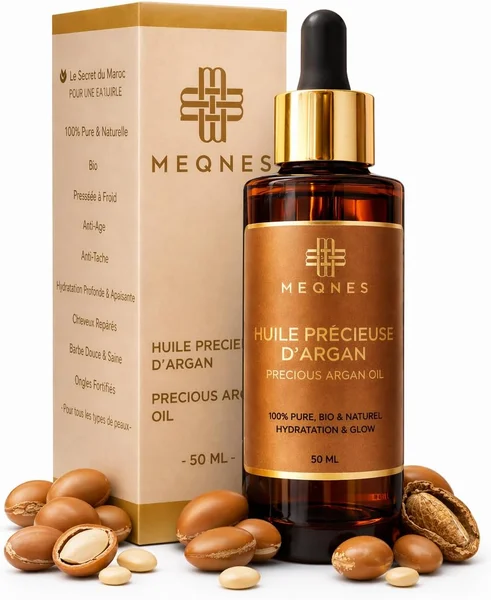
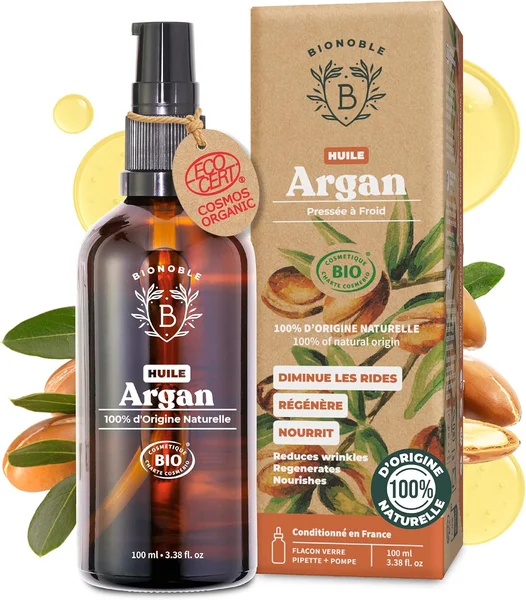
Recognized Organic Labels: Look for certifications like Ecocert, COSMEBIO, or USDA Organic. These guarantee the oil comes from controlled organic farming, free from pesticides and chemicals.
Clear INCI Composition: On the label, the oil should be precisely listed as “Argania Spinosa Kernel Oil.” No suspicious blends or chemical additives.
Cold-Pressed: The mention “cold-pressed” is crucial to preserve natural active ingredients. Heated oil loses its nourishing and anti-aging benefits.
Controlled Origin: Genuine argan oil comes exclusively from Morocco, ideally with a clear indication of origin (cooperatives or specific regions).
💡 Our Tip: If the oil smells too strongly of nuts or almonds, be cautious. Pure oil has a soft, slightly fruity scent—never harsh.
Price Guidelines: When Cheap Often Means Poor Quality Oil
High-quality organic argan oil comes at a certain price, usually between €20 and €40 for 50 ml. If you find oil under €10, it’s very likely a diluted blend or a lower-quality oil.
Beware of websites or shops offering very cheap oils without transparency about origin or extraction method.
⚠️ Avoid: Oils with overly long INCI lists or containing terms like “fragrance,” “mineral oil,” or “sunflower oil” mixed in. These are signs of adulteration.
The Trap of Non-Certified Organic Labels and Blended Oils
Many brands ride the organic wave without following the standards. Some oils display a pretty homemade label or vague logo but aren’t certified by a recognized body.
Also, oils are sometimes mixed with cheaper oils (sweet almond, jojoba, or even mineral oil) to cut costs, sacrificing effectiveness.
Read customer reviews from multiple sources before buying.
Choose brands transparent about origin, extraction method, and packaging (glass, opaque bottles).
💡 Our Tip: Opt for oils packaged in dark glass bottles to preserve active ingredients, and avoid plastics that can degrade quality.
How to Check Purity Before Buying?
It’s not always easy to test oil before buying, but a few simple steps can save you from disappointment:
Ask for a sample if possible to test texture and scent.
Do a skin test: pure oil absorbs quickly without leaving a greasy film.
Check the color: pure argan oil is golden yellow, neither too light nor too dark.
⚠️ Avoid: Buying without any information on origin or organic certification. Too often, price is the only selling point, and it comes at the cost of poor quality.
The Genuine Benefits of Pure Certified Organic Argan Oil
Pure certified organic argan oil is more than just a cosmetic product; it’s a true natural treasure. Rich in essential fatty acids, vitamin E, and antioxidants, it deeply nourishes skin and hair while stimulating regeneration. Regular use can improve skin elasticity, reduce signs of aging, and soothe irritations.
Unlike diluted or altered oils, quality argan oil preserves all its virtues thanks to gentle extraction and production methods that respect Moroccan traditions. It’s also known for its repairing and protective properties, making it an ideal ally for sensitive or damaged skin.
By choosing certified organic argan oil, you’re not only opting for an effective product but also supporting an ecological and ethical commitment, backing local cooperatives and sustainable development.
The Historical and Cultural Context of Argan Oil
Argan oil is much more than a beauty product; it’s an integral part of Moroccan cultural heritage for centuries. Extracted from the fruit of the argan tree, endemic to southwestern Morocco, this oil was traditionally used by local populations for its medicinal and cosmetic benefits.
Over time, argan oil production has been organized around women’s cooperatives, which play a crucial role in the local economy and women’s empowerment. These cooperatives often ensure environmentally respectful production and optimal quality while preserving ancestral know-how.
The international recognition of argan oil, notably through organic labels, helps promote these traditional practices and fair trade, benefiting rural Moroccan communities.
Perspectives and Challenges for the Modern Consumer
In a booming market, demand for pure organic argan oil keeps growing, but it also brings risks linked to counterfeiting and misleading commercial practices. For the modern consumer, staying vigilant and informed is essential to make smart choices.
The main challenge is to prioritize authentic, environmentally respectful products, which means carefully reading labels and ingredient lists. Moreover, brand transparency about their production chain is a key factor in trusting the products.
Finally, raising awareness about these issues fosters a more ethical and sustainable market, encouraging the valorization of Morocco’s natural and human resources while offering users a truly beneficial product for their well-being.
In Summary
We’ve done the sorting for you: here’s what’s really worth it when looking for pure organic argan oil. The key question before buying is the brand’s transparency about certification, origin, and extraction method. A price that’s too low is a red flag, and carefully reading the INCI composition is a must.
Our advice: if you remember only one thing, choose argan oil certified by Ecocert or COSMEBIO, cold-pressed, packaged in a dark glass bottle, and sourced from a recognized Moroccan cooperative. This way, you’ll avoid common scams and fully enjoy the natural benefits of this exceptional oil.
 FR
FR EN
EN