Discover the secrets of Moroccan women for radiant and hydrated skin with argan oil. How to use this vegetable oil for dry skin and what are its real properties?
Moroccan women have long used argan oil for its moisturizing and anti-aging properties. But how to use this vegetable oil for dry skin and what are its real properties?
The Composition of Argan Oil
Argan oil is rich in essential fatty acids, vitamins, and antioxidants. These components explain its effectiveness in hydrating and protecting the skin. It contains polyunsaturated fatty acids like linoleic acid and oleic acid, which play a crucial role in restoring the skin's lipid balance. These fatty acids help strengthen the skin barrier, reducing irritations and redness.
Additionally, argan oil is a natural source of vitamin E and ferulic acid, powerful antioxidants that fight free radicals and protect the skin from environmental damage. These anti-inflammatory and moisturizing properties make it an ideal ally for dry and sensitive skin.
The Benefits of Argan Oil for Dry Skin
Argan oil is particularly beneficial for dry skin as it helps restore the skin's hydrolipidic barrier. This means it can help prevent moisture loss and keep the skin hydrated for longer. It is also effective in reducing fine lines and signs of aging, thanks to its anti-aging properties.
In addition to moisturizing, argan oil soothes skin irritations and calms redness. That's why it's so popular among natural beauty products. It is also used to strengthen skin elasticity and give it a natural glow.
How to Use Argan Oil for Dry Skin
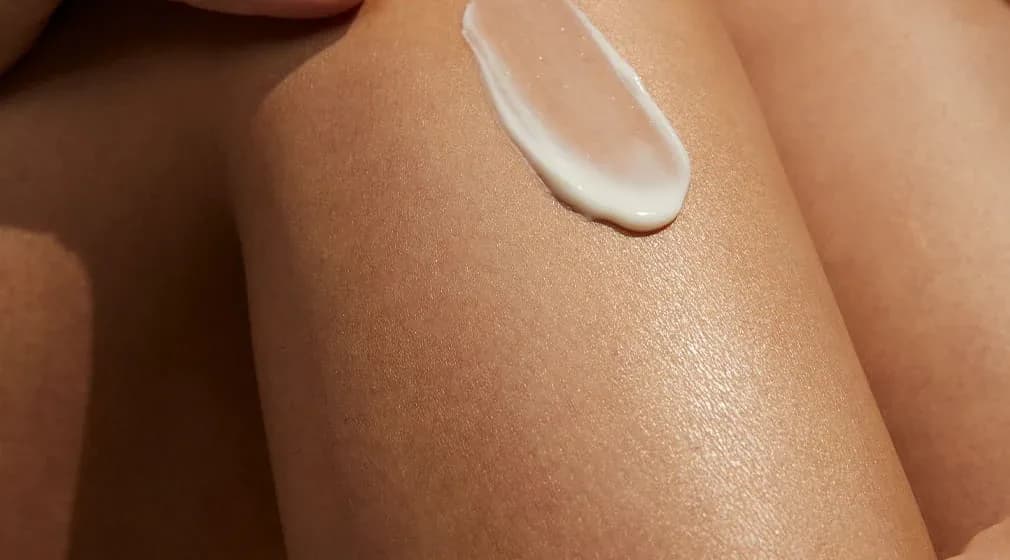
To use argan oil effectively, it is recommended to apply it to damp skin, immediately after showering or bathing. This allows the oil to penetrate deeper into the skin and exert its moisturizing effects optimally.
It is also advised to perform circular massages with argan oil to improve blood circulation and promote the elimination of toxins. This massage can be done gently on the face, neck, arms, and legs, using circular motions.
Our tip : Add a few drops of argan oil to your regular moisturizer to enhance its effects. You can also use argan oil as a base for your homemade cosmetics, such as masks or exfoliants.
Mistakes to Avoid When Using Argan Oil
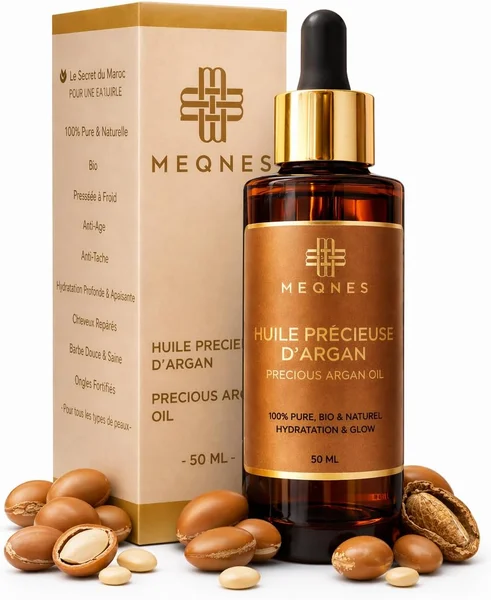
It is essential to choose high-quality argan oil, cold-pressed and unrefined, to benefit from its natural properties. Refined or processed oils often lose their most precious active components.
It is also recommended not to overuse it, as argan oil can be greasy and occlusive if applied in excess. A small amount is enough to cover a large skin surface.
To avoid : Do not apply argan oil to dirty or unclean skin, as this can aggravate skin problems. Always make sure to clean your skin thoroughly before applying the oil.
Hair Care with Argan Oil
Argan oil is not only beneficial for the skin but also for the hair. It can be used as a natural hair care product to strengthen dry and damaged hair. Apply it to the lengths and ends to moisturize and nourish your hair.
It is also effective in reducing frizz and split ends. Additionally, argan oil can be used as a hair serum for a shiny and healthy look.
Comparison with Other Oils
Argan oil can be compared to other oils like olive oil or hazelnut oil. While it shares some similarities with these oils, it has unique properties that make it a unique product. For example, its ferulic acid content is higher than in other oils, giving argan oil exceptional anti-aging properties.
Our Verdict on Argan Oil for Dry Skin
In summary, argan oil is an excellent choice for dry skin due to its moisturizing and anti-aging properties. To maximize its effects, it is essential to choose high-quality oil and use it properly.
By incorporating argan oil into your skincare routine, you can expect more hydrated, softer, and radiant skin. Regular use can also help reduce signs of aging and improve overall skin health.
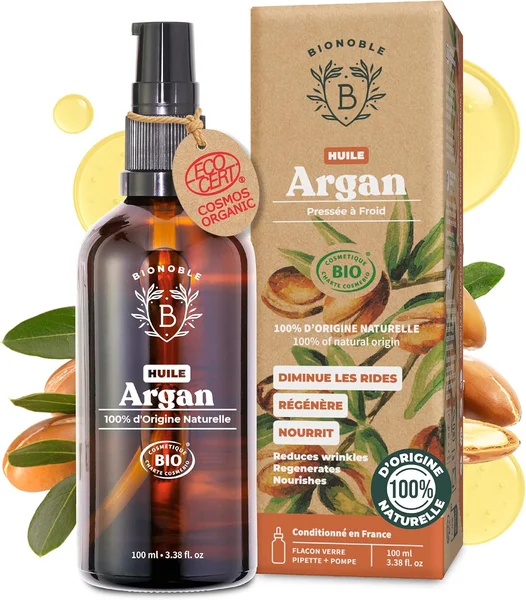
Our eco-friendly tip : Consider choosing products containing certified organic argan oil from sustainable agriculture. This will help preserve the environment while supporting local communities.
The Importance of Application Frequency
To get the best results with argan oil, it is crucial to determine the ideal application frequency for your skin type. Dry skin may require more frequent application, especially during periods of extreme cold or dryness, while oilier skin may require less frequent application to avoid clogging pores.
In general, it is recommended to apply argan oil one to two times a day, depending on your needs and skin type. You can adjust the application frequency based on your results and personal preferences.
Alternative Protocol: Using Argan Oil as a Mask
If you're looking to intensify the benefits of argan oil for your skin, you can try using an argan oil mask. This mask can be applied once a week for 15 to 30 minutes before being rinsed. This allows the argan oil to penetrate deeper into the skin and exert its moisturizing and nourishing properties more intensely.
You can also add other natural ingredients to your mask, such as honey or avocado, to create a customized blend that meets your specific skin needs.
 FR
FR EN
EN