FR
FR EN
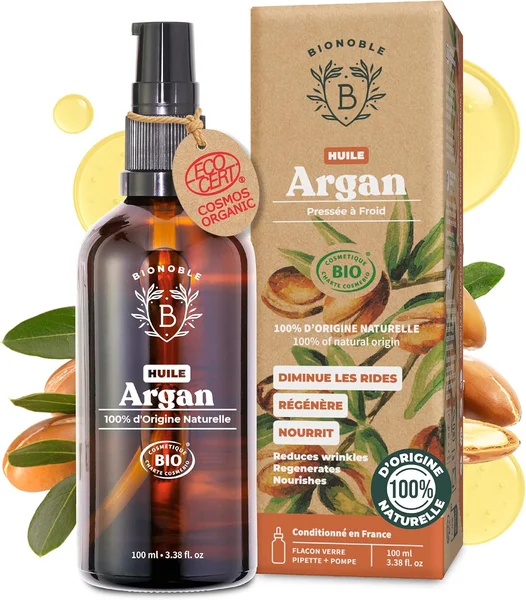
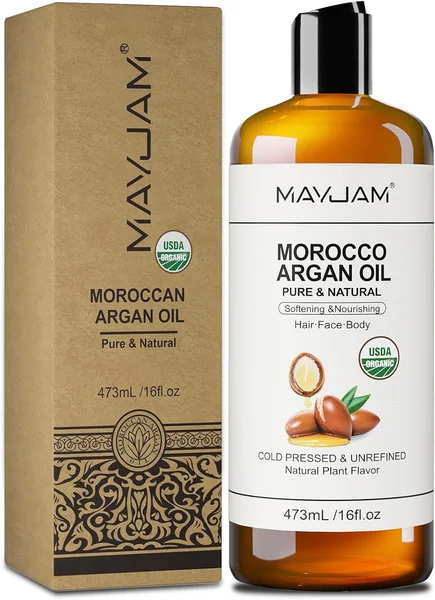
ENArgan oil has gained widespread popularity for its numerous benefits in skincare, haircare, and culinary uses. However, when choosing argan oil, consumers often encounter two main types: organic and conventional. Understanding the differences between these two can help you make a more informed decision based on quality, safety, and environmental impact. Organic argan oil is produced from nuts harvested from argan trees grown without synthetic pesticides, herbicides, or fertilizers, adhering to strict organic farming standards. This not only supports sustainable agriculture but also ensures that the final product is free from harmful chemical residues. On the other hand, conventional argan oil may come from trees treated with chemical inputs, which can affect the purity and environmental footprint of the oil. Additionally, organic argan oil is often cold-pressed and minimally processed to retain its natural antioxidants, vitamins, and fatty acids, while conventional oils might undergo more extensive processing. Price differences, certifications, and potential health benefits are also key factors to consider. In this article, we will explore the distinctions between organic and conventional argan oil, helping you understand which type might best suit your needs and preferences.
comparatifs
Organic vs conventional argan oil: what's the difference?
Organic vs conventional argan oil: what's the difference?
AR
vendredi 7 novembre 2025 à 13:235 min

#huile#argan#huile d'argan#huile argan#argan oil#moroccan argan#bio#conventionnelle#certification#label
Was this article helpful?
Commentaires
Connectez-vous pour laisser un commentaire