Moroccan Ghassoul: The Ultimate Guide to Naturally Enhance Your Hair and Face
Struggling with dull hair or tight, uncomfortable skin without finding a solution? Moroccan ghassoul, this natural clay, is a beauty ally worth rediscovering. We share everything you need to use it effectively as a face and hair mask.
Do you have hair that lacks vitality or facial skin that feels tight after every cleanse? We've all been through those frustrating beauty ritual struggles. Honestly, here’s what no one tells you: Moroccan ghassoul can be a game-changer, but only if you know how to use it properly to avoid dryness or irritation.
Why is ghassoul a must-have in natural beauty?
Ghassoul, this volcanic clay from Morocco, is known for its gentle cleansing and purifying properties. Unlike harsh soaps, it removes impurities and excess sebum without stripping the skin, making it a top choice for sensitive skin and delicate scalps.
Rich in minerals (silica, magnesium, potassium), it remineralizes both skin and hair.
Absorbs toxins and removes dead skin cells for a clear complexion.
Regulates sebum production on the scalp, reducing greasy roots.
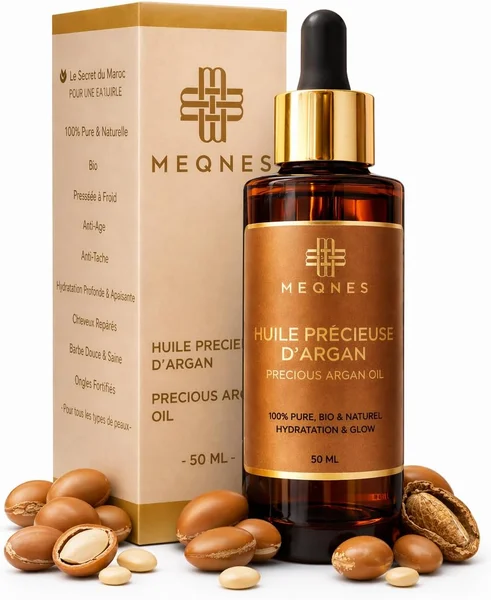
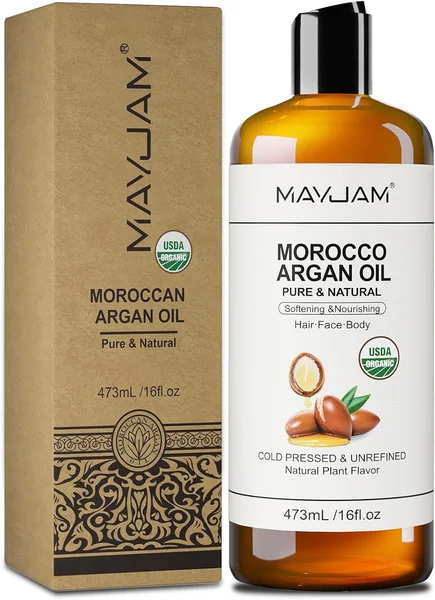
💡 Our tip: To maximize its benefits, mix ghassoul with warm water and a little argan oil to prevent dryness.
How to prepare your ghassoul hair mask?
Many give up on ghassoul because they find it too dry or hard to apply. The key is proper preparation and the right application time.
In a bowl, pour 2 tablespoons of ghassoul powder.
Gradually add warm water until you get a smooth, creamy paste.
Mix in a teaspoon of argan oil or castor oil for deep nourishment.
Apply to damp hair, focusing on the scalp.
Leave on for 10 to 15 minutes without letting it dry completely.
Rinse thoroughly with warm water, then apply a light conditioner if needed.
⚠️ Avoid: Never let ghassoul dry out in the open air on your hair, as it can cause tightness and tangle the hair fibers.
Ghassoul for the face: our routine for radiant skin
Ghassoul is a gentle cleanser perfect for purifying without irritation. However, be careful not to leave it on the skin too long, especially if your skin is dry or sensitive.
Mix one tablespoon of ghassoul with rose water for a soothing effect.
Apply an even layer on clean face, avoiding the eye area.
Leave on for 5 to 10 minutes max.
Rinse with warm water, then immediately moisturize with a vegetable oil like argan or a suitable serum.
💡 Our tip: For reactive skin, add a pinch of ghassoul to your regular cleanser instead of using it pure, for a gentle, gradual effect.
The origins and historical context of Moroccan ghassoul
Ghassoul, also known as rhassoul, is a mineral clay exclusively sourced from the Atlas Mountains in Morocco. Used for centuries in traditional beauty rituals by Berber women, it is celebrated for its natural virtues and effectiveness. This volcanic clay is hand-extracted from specific quarries, ensuring its purity and rich mineral content. Ghassoul is part of a long ancestral tradition blending artisanal know-how with environmental respect. Its use has gradually spread beyond Moroccan borders, now captivating a global audience seeking natural, skin- and hair-friendly products.
Usage considerations and precautions
Although ghassoul is a natural product, using it requires some care to avoid unpleasant effects. Its powdery texture can be confusing for beginners, and it’s crucial to get the water ratio right to create a paste that’s neither too dry nor too runny. Leaving it on too long or letting it dry completely on skin or hair can cause tightness and irritation, especially for sensitive skin. Additionally, for very dry skin, it’s recommended to always combine ghassoul with a nourishing vegetable oil to counteract its slightly drying effect. Finally, adjust the frequency of use according to your skin and hair’s specific needs, as overuse could disrupt the natural hydrolipidic film.
The effects of ghassoul on your beauty routine and future uses
Incorporating ghassoul into your beauty routine offers several benefits: it gently purifies, remineralizes, and regulates sebum production. Its multifunctional action on skin and hair makes it an ideal ally for those wanting to reduce chemical and artificial products. Beyond its aesthetic benefits, ghassoul fits into an ecological and sustainable approach, responding to today’s responsible consumption demands. In the future, ghassoul could become even more common in natural cosmetic formulas, combined with other organic ingredients to create tailor-made treatments. Its potential remains significant, provided you understand its specifics and follow usage advice to get the best results.
What we love and what we love less about ghassoul
What we love: 100% natural, multifunctional (face and hair), remineralizes without irritation, easy to incorporate into your routine.
What we love less: powdery texture can be tricky, requires precise application time, not suitable for very dry skin without pairing with an oil.
Our verdict
Moroccan ghassoul definitely deserves a spot in your beauty routine if you’re looking for a natural, effective, and gentle treatment to purify your skin and revitalize your hair. Our advice: if you remember only one thing, always combine it with a vegetable oil to avoid dryness. We’ve done the homework for you: it’s a product truly worth trying, as long as you master its preparation and application time. Tested and approved, it restores glow and softness without compromise.
In summary
Ghassoul is an ancient Moroccan treatment that combines effectiveness and naturalness for skin and hair beauty. Its mineral richness and gentle purifying power make it a valuable alternative to sometimes harsh conventional products. To fully enjoy its benefits, it’s essential to follow good usage practices, especially preparing the paste, timing the application, and pairing with nourishing oils. Whether as a hair mask or facial treatment, ghassoul adapts to all routines with the promise of naturally radiant skin. Embrace it and let this Moroccan treasure enhance your daily beauty.
 FR
FR EN
EN