Moroccan Ghassoul: How to Get the Most Out of It for Naturally Beautiful Skin and Hair
Struggling with dull skin or lifeless hair? Moroccan ghassoul, this precious clay from the Atlas Mountains, can transform your beauty routine. Discover our tips for using it effectively and avoiding common mistakes.
Do you feel your skin tight after cleansing or notice your hair always seems dry despite your treatments? Honestly, here’s what no one tells you about Moroccan ghassoul: this natural clay is a true beauty asset, as long as you use it properly. We tested several methods to guide you step by step.
Why Ghassoul Is a Natural Must-Have
Ghassoul, or rhassoul, is a mineral clay harvested from the Atlas Mountains in Morocco. What makes it special: it purifies without stripping, which is rare for a clay. What we love:
It absorbs impurities and excess sebum without irritating the skin.
It brings softness and radiance to the complexion, even on sensitive skin.
For hair, it gently cleanses, regulates the scalp, and adds suppleness.
But the real question before buying: does your skin or scalp tolerate clays well? Ghassoul is ideal for combination to oily skin but can be a bit drying on very dry skin.
The Historical and Cultural Context of Moroccan Ghassoul
Ghassoul has been used for centuries in Moroccan tradition, especially by Berber women from the Atlas Mountains. This clay, hand-extracted from natural quarries, is an integral part of ancestral beauty rituals. It’s often linked to the hammam, where it’s applied as a mask to purify the skin before oil treatments and scrubs. Its use has been passed down through generations, proving its effectiveness and cultural importance. Today, ghassoul is internationally recognized for its benefits, but its local roots remain a guarantee of authenticity.
Strategic Considerations for Using Ghassoul in Your Beauty Routine
Incorporating ghassoul into your beauty routine requires some strategy to reap all its benefits without irritating your skin or hair. For example, for the face, it’s crucial to adjust the dilution according to your skin type: a paste that’s too concentrated can dry out your skin, while a too-thin texture won’t be effective. Likewise, the application time should be controlled, especially for sensitive skin. For hair, ghassoul acts as a gentle cleanser, but you should avoid letting it dry completely to prevent scalp irritation. Ideally, use ghassoul alternately with other moisturizing treatments to balance its purifying and nourishing effects.
The Impact of Ghassoul on Natural Care and the Cosmetic Market
With growing ecological concerns and the search for natural products, ghassoul’s popularity has soared in recent years. Its ability to replace harsh chemical products makes it a favorite in organic and natural cosmetics. This success has also encouraged many small Moroccan producers to showcase their terroir and export this pure clay. However, this rising demand also presents challenges in terms of quality and traceability. It’s essential to choose reliable suppliers to ensure an authentic product that respects the environment, preserving Morocco’s natural resources.
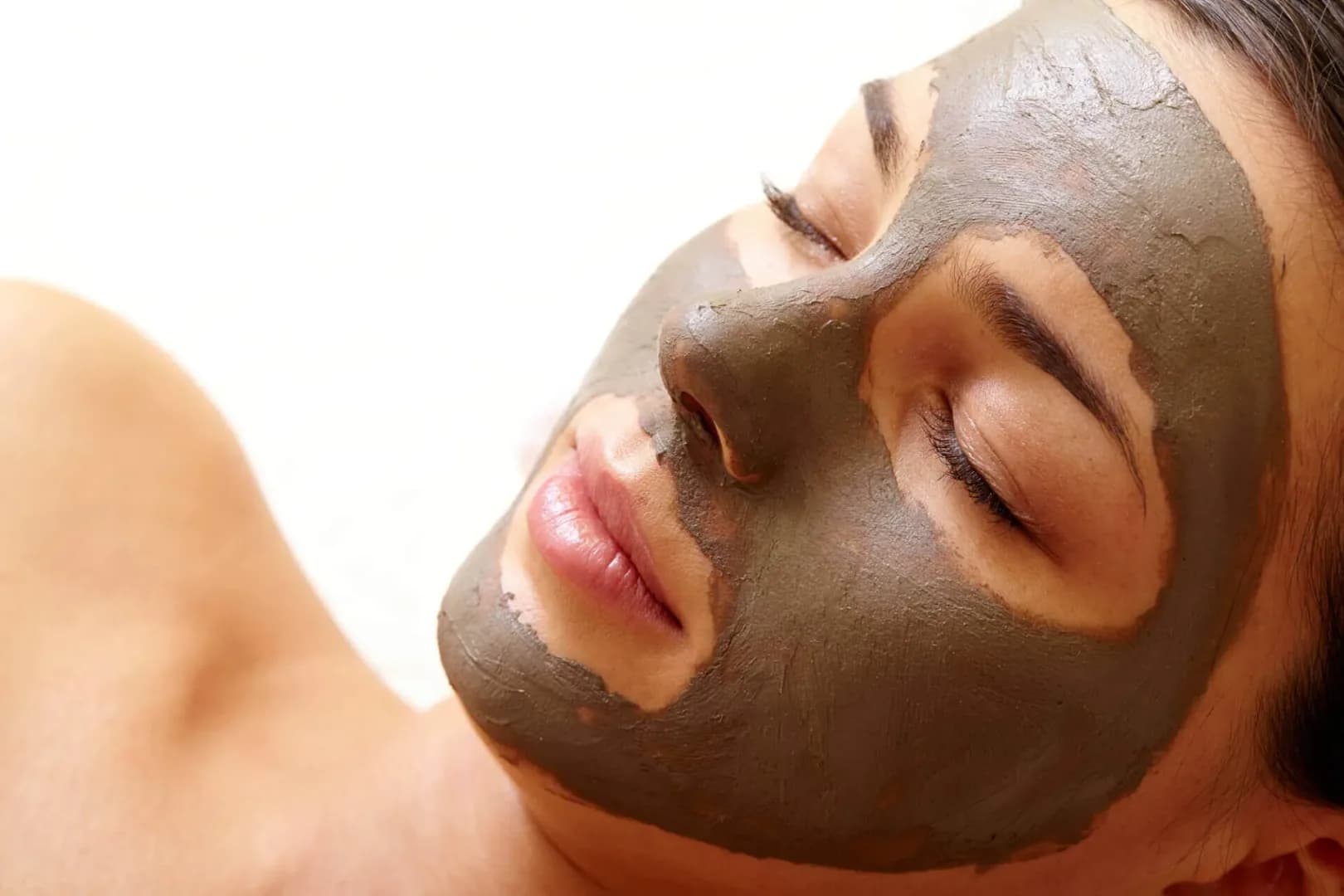
Ghassoul is traditionally used as a facial mask. Here’s our tested and approved routine:
Mix 1 to 2 tablespoons of ghassoul powder with some warm water or rose water to form a smooth paste.
Apply a thin layer on your face, avoiding the eye area.
Leave on for 5 to 10 minutes, allowing the paste to dry slightly without cracking completely.
Rinse with warm water, gently massaging to stimulate circulation.
Immediately moisturize your skin with a plant oil (argan, jojoba) or a natural cream.
💡 Our Tip: For a radiant boost, add a teaspoon of honey or aloe vera gel to your ghassoul paste. It enhances hydration and soothes the skin.
Ghassoul for Hair: How to Use It
You’ve probably heard that ghassoul can replace a regular shampoo. Yes, but not just any way. Ghassoul cleanses without sulfates, perfect for sensitive scalps or curly hair that needs gentle care.
Mix 2 tablespoons of ghassoul with warm water until you get a smooth paste.
Apply to wet hair, focusing on the scalp.
Leave on for 5 minutes, then gently massage.
Rinse thoroughly to avoid residue.
Finish with a diluted apple cider vinegar rinse to balance pH if your hair is very dry.
⚠️ Avoid: Don’t let ghassoul dry completely on your scalp, as it can cause tightness and excessive dryness.
Where to Buy Authentic Moroccan Ghassoul
The market is full of products labeled "ghassoul," but quality varies greatly. Our advice: favor transparent brands that guarantee 100% Moroccan origin, pure and untreated.
Check that the powder isn’t too fine or dusty, which indicates over-sieving and can affect its properties.
Avoid blends with chemical additives or artificial fragrances.
Prefer small producers or certified organic Moroccan cooperatives.
💡 Our Tip: Quality ghassoul keeps well when stored away from moisture in an airtight container to preserve all its benefits.
Our Verdict
Moroccan ghassoul is a powerful natural beauty ally but should be handled with care. We appreciate its ability to purify without aggression, restoring radiance to the skin and softness to hair. Our advice: if you remember one thing, it’s to adjust the dilution and application time to your skin or hair type to avoid drying effects.
What we love: its natural cleansing power, authentic origin, and versatility for face and hair.
What we like less: the temptation to use it too often or as a thick mask, which can irritate sensitive skin.
We’ve sorted it out for you: here’s what’s really worth it to include ghassoul in your routine. Don’t hesitate to combine it with Moroccan plant oils, especially argan, for a complete and effective ritual.
In Summary
Moroccan ghassoul is much more than just a clay: it’s a symbol of natural beauty that respects skin, hair, and the environment. Traditionally used in ancestral rituals, it offers a healthy alternative to harsh products—provided it’s used properly and chosen carefully. Whether to purify, balance, or nourish, ghassoul adapts to many routines as long as it’s dosed correctly according to your skin or hair type. To fully enjoy its virtues, choose ghassoul with controlled origin and complement it with Moroccan treasures like argan oil or honey for an authentic and effective beauty experience.
✨ Our Recommendation
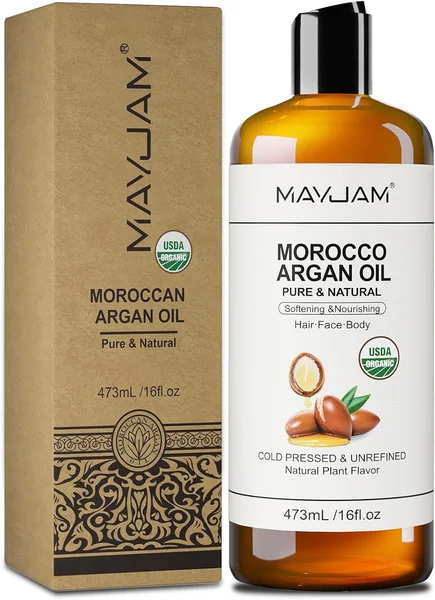
Organic Argan Oil 473ML, Argan Hair Oils
Cold-Pressed Pure Natural Argan Hair Oils, Care Oil for Face, Skin, Hair, Moisturizing & Anti-Aging
 FR
FR EN
EN