Have you ever wondered about the historical significance of natural cosmetics in beauty routines worldwide? Since ancient times, civilizations have utilized natural ingredients like clay, olive oil, and honey for skin care. These practices were passed down through generations, forming an integral part of traditional medicine. However, with the industrialization of the 1900s, cosmetics began mass production using chemical additives to enhance performance and shelf life. Despite this shift, the return to natural methods has gained momentum in recent years, driven by the 'clean beauty' movement advocating for pure, unprocessed ingredients.
The Environmental Impact
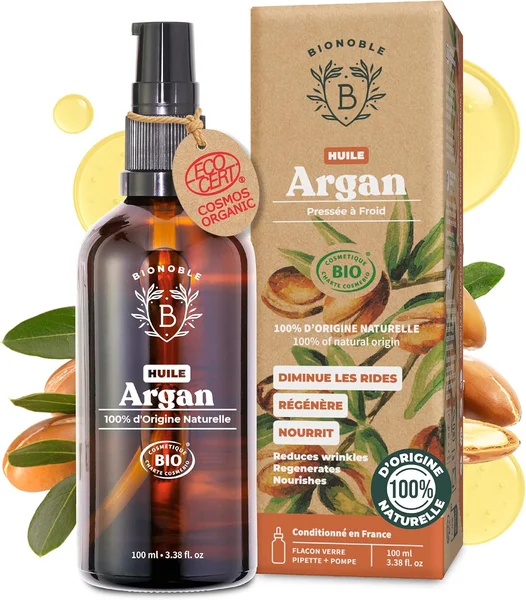
Large-scale production of organic cosmetics significantly impacts the environment, primarily due to disposable packaging and ingredients from intensive agriculture. On the other hand, homemade cosmetics can be a more eco-friendly alternative, reducing packaging waste and utilizing local, sustainable ingredients. However, it's crucial to note that using natural ingredients doesn't automatically equate to an ecological activity. For instance, argan oil, despite its beneficial properties, may be produced unsustainably if trees aren't managed properly. Similarly, overharvesting or excessive exploitation in certain regions can affect ingredient sustainability.
Economic Considerations
Sustainability and cost-effectiveness are key economic factors. Homemade cosmetics often offer a cost-effective solution, especially when using locally sourced, organic ingredients. This approach not only reduces expenses but also supports local economies. Conversely, purchasing organic products can be more expensive due to higher production costs and certifications. It's essential to weigh these factors against personal priorities and budgets.
A Step-by-Step Guide to Making Your Own Cosmetics
If you're considering making your own cosmetics, here's a simple guide:
Step 1: Research Ingredients - Understand the properties of natural ingredients like argan oil, shea butter, and essential oils.
Step 2: Gather Equipment - You'll need containers, measuring tools, and mixing utensils.
Step 3: Source Ingredients - Opt for organic, fair-trade, and sustainably sourced ingredients whenever possible.
Step 4: Create Recipes - Start with simple formulas, such as a facial serum using argan oil and rosehip extract.
Step 5: Test and Adjust - Perform patch tests to check for allergies and adjust the formula as needed.
Step 6: Store Properly - Use airtight containers and store in a cool, dark place to maintain product efficacy.
By following these steps, you can create personalized, natural cosmetics that align with your beauty needs and environmental values. Whether you choose to make your own products or opt for store-bought organic alternatives, the key is to make informed decisions that benefit both your skin and the planet.
 FR
FR EN
EN