Moroccan Rose Water: How to Use It for a Natural and Effective Facial Care
Looking for a natural way to revive dull, tired skin? Moroccan rose water, with its toning and antioxidant properties, is an essential beauty ally. We’ll show you how to easily incorporate it into your daily routine.
Is your skin lacking radiance and have you tried countless products without success? Honestly, here’s what no one tells you: Moroccan rose water can be a game-changer, especially if you’re after a simple, natural step to refresh and tone your face. We’ve tested several ways to include it in our routine, and the results are impressive.
Why is Moroccan rose water a must-have for your face?
What sets Moroccan rose water apart is its richness in natural antioxidants that help fight external aggressors and skin aging. Plus, it hydrates without feeling heavy—perfect for sensitive or combination skin types that shy away from greasy textures.
As a refreshing mist: spray on your face anytime during the day for an instant fresh boost.
As a toner: apply with a cotton pad after removing makeup to perfect cleansing and stimulate the skin.
In a homemade mask: mix it with clay or honey for a hydrating and purifying treatment.
Before your night cream: gently pat a few drops to maximize hydration.
💡 Our tip: Store your rose water in the fridge for an icy effect that instantly refreshes your complexion.
What to absolutely avoid
⚠️ Avoid: Don’t confuse pure rose water with scented or diluted waters that often contain preservatives or alcohol, which are less beneficial for your skin.
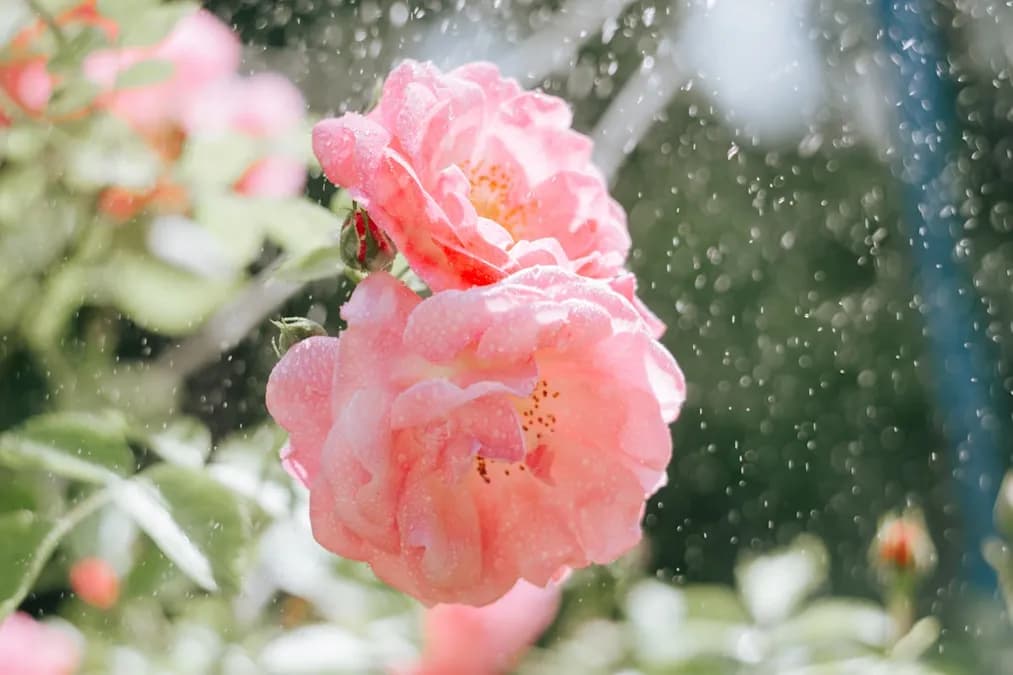
Opt for 100% natural rose water, distilled from Damask roses, known for their exceptional quality in Morocco.
How to incorporate rose water into your natural beauty routine?
Morning: Cleanse your face, then apply rose water as a toner to wake up your skin.
During the day: Use the mist to refresh and hydrate without adding any product layer.
Evening: After removing makeup, dab rose water before your serum or moisturizer.
1 to 2 times a week: Incorporate it into a purifying or hydrating homemade mask.
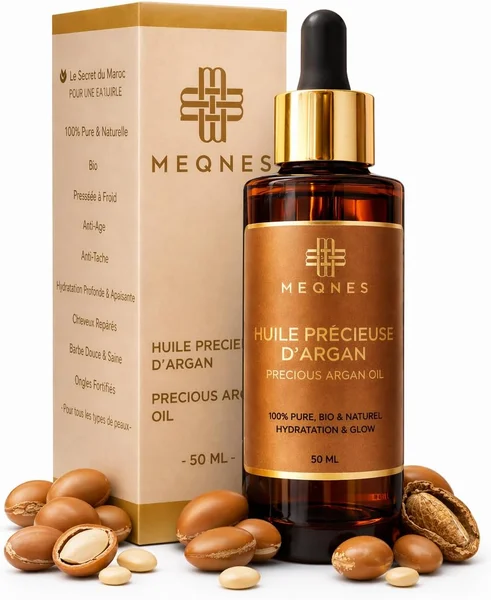
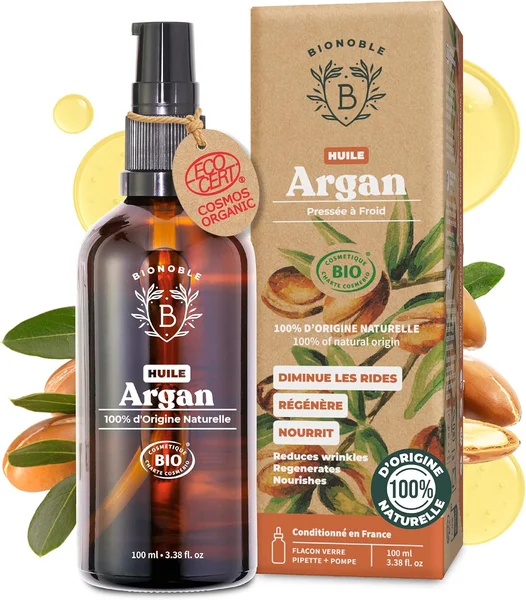
💡 Our tip: To boost its anti-aging effect, mix a few drops of argan oil with your rose water before applying.
A centuries-old heritage: the story of Moroccan rose water
Moroccan rose water is more than just a beauty product; it’s the result of an ancient tradition deeply rooted in Morocco’s culture and craftsmanship. For centuries, the Kelaa M’Gouna region, known as the Valley of Roses, has been famous for the exceptional quality of its Damask roses. The steam distillation of these delicate flowers is a skill passed down through generations, ensuring pure rose water rich in active ingredients.
This tradition is not just heritage—it embodies a deep connection between nature and well-being, where each spring harvest is a major cultural event. Moroccan rose water has thus become a symbol of natural beauty and authenticity, cherished not only in Morocco but internationally. Using this water means embracing a skincare ritual respectful of the environment and local artisanal practices.
Impact on the skin: understanding the active mechanisms
Beyond its traditional virtues, the effectiveness of Moroccan rose water lies in its rich composition of bioactive compounds. Flavonoids and polyphenols in rose water play a key role in neutralizing free radicals, which cause oxidative stress and premature skin aging. These natural antioxidants help preserve youthful, vibrant skin.
Additionally, rose water has anti-inflammatory properties that make it especially suitable for sensitive or redness-prone skin. By soothing irritations, it helps restore optimal skin balance. Its toning effect also gently stimulates microcirculation, enhancing skin firmness and radiance.
Usage prospects and natural innovations
As the demand for natural ingredients in cosmetics grows, Moroccan rose water stands out as a valuable base for many innovative formulations. Beyond its traditional use as a toner or mist, it’s now included in targeted anti-aging treatments, hydrating serums, and products for problematic skin thanks to its soothing qualities.
Moreover, initiatives to promote this natural resource are increasing, focusing on sustainable and ethical production. Some local cooperatives work to ensure environmentally friendly distillation and fair trade, creating a positive impact on Moroccan rural communities.
Future prospects also include synergies with other Moroccan natural actives like argan oil or ghassoul clay to create comprehensive treatments combining effectiveness and respect for tradition. Moroccan rose water continues to evolve while staying true to its essence, offering consumers an authentic and beneficial experience.
What to absolutely avoid
⚠️ Avoid: Don’t confuse pure rose water with scented or diluted waters that often contain preservatives or alcohol, which are less beneficial for your skin.
Opt for 100% natural rose water, distilled from Damask roses, known for their exceptional quality in Morocco.
How to incorporate rose water into your natural beauty routine?
Here’s a simple, tried-and-true protocol:
Morning: Cleanse your face, then apply rose water as a toner to wake up your skin.
During the day: Use the mist to refresh and hydrate without adding any product layer.
Evening: After removing makeup, dab rose water before your serum or moisturizer.
1 to 2 times a week: Incorporate it into a purifying or hydrating homemade mask.
💡 Our tip: To boost its anti-aging effect, mix a few drops of argan oil with your rose water before applying.
Our verdict
We’ve sorted it out for you: here’s what’s really worth it. Moroccan rose water is a gem for anyone wanting a natural, light, and effective facial care. What we love: its versatility, toning action, and delicate scent that doesn’t overwhelm the skin. What we like less: quality can vary greatly depending on the source, so watch the label carefully.
Our advice: if you remember just one thing, choose 100% natural rose water with no additives, and keep it cool. You’ll see, this little beauty step can truly transform your routine and gently brighten your complexion.
In short, it’s a staple of the Moroccan natural beauty ritual, one to adopt without hesitation for a fresh, radiant, and soothed face.
 FR
FR EN
EN