Create Your Own Natural Face Serum with Vegetable Oil
Looking for a way to take care of your skin without using harsh chemicals? Creating a natural face serum with vegetable oil is an excellent option. In this article, we'll show you how to formulate your own face serum using natural ingredients.
Choosing the Right Vegetable Oils
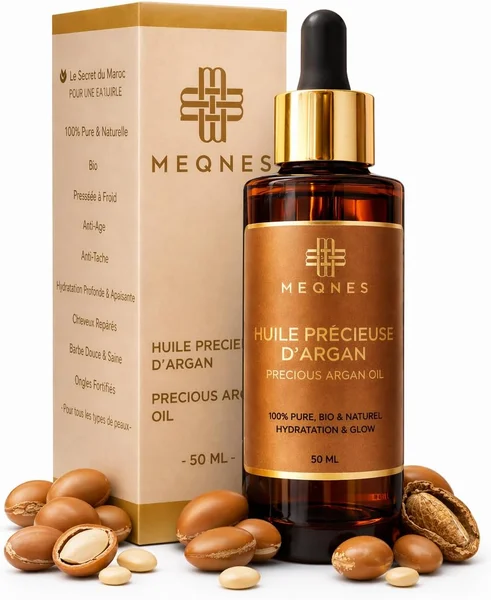
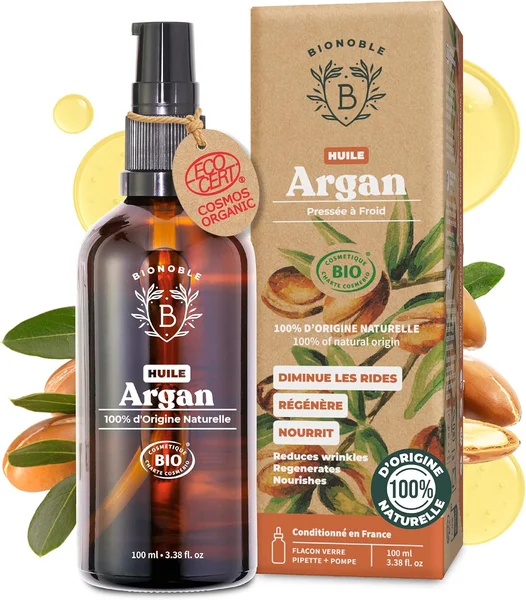
Choosing the right vegetable oils is crucial for creating an effective face serum. Jojoba, argan, and macadamia nut oils are excellent for the skin, as they are rich in antioxidants and fatty acids. Jojoba oil, for example, is very similar to the composition of human skin, making it easy to penetrate and absorb.
It's essential to choose high-quality, cold-pressed, and unrefined vegetable oils to preserve their natural properties. You can also add essential oils for their additional benefits, such as lavender for its soothing properties.
Mixing Oils for an Optimal Effect
The key to creating an effective face serum is to mix the vegetable oils in a way that achieves a perfect balance. You can start with a base of jojoba oil and then add richer oils like argan or macadamia nut oil. Don't forget to always do a patch test on a small area of skin before applying the serum to your face.
A sample dosage could be: 70% jojoba oil, 20% argan oil, and 10% lavender essential oil. However, these proportions can vary depending on your skin type and needs.
Storing Your Natural Face Serum
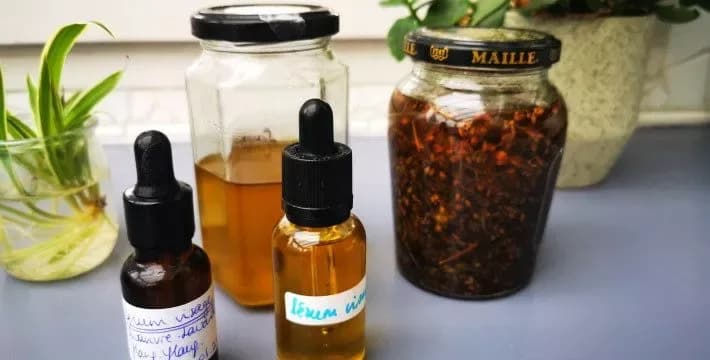
Once you've created your face serum, it's essential to store it properly to preserve its properties. Store it in a dark glass bottle, away from direct light and extreme temperatures. You can also add a small amount of vitamin E to help preserve the oils.
Our tip : For optimal storage, fill the bottle to the brim and close it tightly after each use.
Adapting Your Face Serum to Your Skin Type
If you have dry skin, you can add more argan or macadamia nut oil for extra hydration. For oily skin, use more jojoba oil and less rich oils. And for sensitive skin, opt for gentle essential oils like chamomile.
It's also important to note that skin needs can vary depending on the season. For example, during the winter, you can add more rich oils to compensate for the dryness of the air.
Alternative Protocol: Adding Complementary Ingredients
You can also enrich your serum by adding complementary ingredients like rosehip oil, rich in antioxidants, or beeswax for a nourishing effect. These additions can enhance the properties of the serum according to your specific needs.
Common Mistakes to Avoid
A common mistake is not testing the mixture on a small area of skin before using a large amount. This can cause irritation or skin reactions. It's also important not to overload the serum with essential oils, which can be irritating if used in excess.
Warning : Do not apply the serum to open wounds or irritated areas, and avoid mixing it with other harsh chemicals.
Our Verdict: How to Use Your Natural Face Serum for Healthy Skin
Use your natural face serum regularly, ideally at night after cleansing your skin, to help regenerate and hydrate your skin. With vegetable oil, a little imagination, and patience, you can create a customized face care product that meets your specific needs.
Advantages and Disadvantages of Different Types of Vegetable Oils
Each type of vegetable oil has its own advantages and disadvantages. For example, jojoba oil is very light and easy to penetrate, but it may not be rich enough for dry skin. Argan oil, on the other hand, is very rich and nourishing, but it can be too heavy for oily skin.
It's essential to consider these factors when creating your natural face serum. You can also experiment with different oil blends to find the one that suits your skin type best.
Tips for Effective Use
To get the best results with your natural face serum, it's essential to use it regularly and consistently. You can apply it at night, after cleansing your skin, and leave it on for a few hours before rinsing.
It's also important to consider the other face care products you use. For example, if you use a chemical face wash, your natural face serum may not be as effective. It's best to use natural face care products to get the best results.
Creating a Natural Face Serum for Different Skin Types
Each skin type has its own needs and requirements. Here are some tips for creating a natural face serum adapted to your skin type:
For dry skin: add more argan or macadamia nut oil for extra hydration.
For oily skin: use more jojoba oil and less rich oils.
For sensitive skin: opt for gentle essential oils like chamomile.
It's essential to note that these are general tips, and individual needs may vary. It's best to do patch tests and adapt your natural face serum according to your specific needs.
Conclusion
Creating a natural face serum with vegetable oil is an excellent way to take care of your skin without using harsh chemicals. With a little imagination and patience, you can create a customized face care product that meets your specific needs. Don't forget to always do patch tests and adapt your natural face serum according to your specific needs.
 FR
FR EN
EN