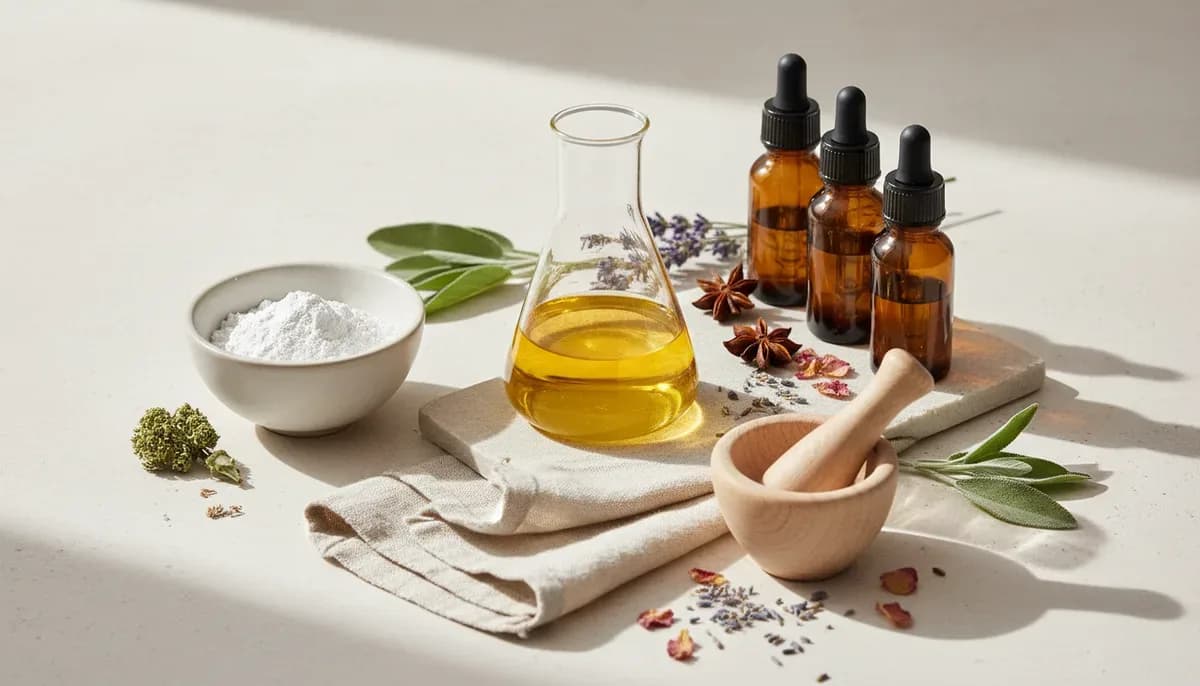
Thinking about diving into DIY natural cosmetics? Is it really worth it compared to ready-made organic products? We break down the savings, time investment, and often overlooked risks.
Thinking about going natural but torn between making your own skincare or buying ready-made organic cosmetics? We totally get that dilemma. Between supposed savings, real effectiveness, and microbiological risks, it’s tough to know when it’s truly worth it.
The Real Hidden Cost of Homemade
We often assume that making your own cosmetics saves money. Honestly, here’s what no one tells you: the price of pure, high-quality ingredients (oils, butters, actives) isn’t always cheaper than buying an organic product.
Not to mention:
- The necessary equipment (scale, spatulas, sterilized bottles).
- The time spent hunting down reliable recipes and testing formulas.
- Potential waste if you make mistakes or the product doesn’t keep well.
💡 Our tip: Invest in a few quality basic ingredients and try simple recipes before diving into complex formulas.
Effectiveness: DIY vs. Store-Bought Organic Cosmetics
The real question before buying or making: will the product actually work?
Store-bought organic cosmetics are often crafted by labs that master ingredient stability, preservation, and active synergy. DIY is tough to nail with that precision, especially without experience.
- Raw homemade vegetable oils are great but often incomplete for targeting specific concerns (anti-aging, intense hydration, blemish control).
- Purchased products usually contain concentrated extracts, stabilized actives, and natural preservatives that ensure both effectiveness and safety.
⚠️ Avoid: Don’t just mix oils randomly thinking it will replace a full skincare product. You risk wasting time and money.
The Often Overlooked Microbiological Risks
Making your own cosmetics also exposes you to risks we often underestimate: bacterial or fungal contamination.
Without proper preservatives and strict hygiene, your cream or serum can become a breeding ground for microbes, leading to irritation or infections.
Organic store-bought products undergo rigorous safety tests and contain natural preservatives that ensure a good shelf life.
⚠️ Avoid: Keeping homemade skincare for more than a few days without preservatives is risky. Better to make small batches you use quickly.
When DIY Natural Cosmetics Are Truly Worth It
We’ve sorted it out for you: here are the situations where making your own natural cosmetics really makes sense:
- You’re on a tight budget but have good access to quality raw ingredients (oils, clays, butters).
- You want to personalize your skincare and know exactly what you’re putting on your skin.
- You have time to dedicate and enjoy experimenting.
- You’re aiming for simple products, like an oil-based makeup remover or a nourishing balm.
In all other cases, turning to a professionally formulated organic cosmetic is often the best choice.
💡 Our tip: Combine both approaches: use a few key organic products and complement with simple DIYs for your daily routine.
The Environmental and Ethical Stakes of Natural Cosmetics
Beyond economics and effectiveness, the choice between homemade cosmetics and store-bought organic products also touches on major environmental and ethical issues. Organic products are subject to strict regulations regarding ingredient sourcing, biodiversity respect, and the use of planet-friendly substances. When making your own skincare, you can control ingredient quality, but it’s sometimes hard to ensure they were sustainably harvested or produced.
Plus, packaging plays a key role in ecological impact. Organic products bought in stores often favor recyclable or reusable packaging, while DIY, if not well thought out, can generate a lot of plastic or unnecessary waste. So, it’s essential to consider these factors to make a truly responsible choice.
Time: An Often Underestimated Investment
While homemade appeals with its artisanal and personalized touch, don’t underestimate the time it requires. Finding the right recipe, sourcing ingredients, following hygiene protocols, preparing, testing, adjusting… All these steps take considerable time, sometimes incompatible with a busy lifestyle. The time spent making your own cosmetics can quickly become a barrier, especially when you want quick and reliable results.
On the other hand, store-bought organic cosmetics save you significant time. They’re ready to use, formulas are tested, and preservation is guaranteed. For busy or less experienced people, this is a major advantage to weigh when choosing between DIY and buying.
Future Trends in the Natural Cosmetics Market
The natural cosmetics market is booming, with an ever-diversifying and improving range. Labs are investing more and more in research to offer high-performance, innovative, and skin- and eco-friendly organic formulas. This momentum encourages organic democratization, with products accessible at various price points and suitable for all skin types.
Meanwhile, DIY continues to attract a growing community, especially thanks to online tutorials and social media that make information and tips more accessible. However, for this practice to grow healthily, it’s important that enthusiasts are well-informed about best practices, especially regarding safety and preservation.
In short, the future seems to lean towards a complementarity between store-bought organic products and homemade cosmetics, each finding its place depending on needs, budget, and personal values.
In Summary
Honestly, if you take away just one piece of advice, it’s that DIY natural cosmetics aren’t a money-saving miracle nor always a guarantee of effective and safe skincare. It requires time, discipline, and real ingredient knowledge.
For most of us, buying pre-formulated organic cosmetics remains the most reliable solution, especially for targeted treatments and visible results. Homemade is great for simple, occasional recipes but not for the whole routine.
What we love: personalization, transparency, the joy of creating.
What we like less: microbiological risks, time investment, hidden costs.
In short, test, experiment, but don’t sacrifice safety and effectiveness in the name of DIY at all costs.
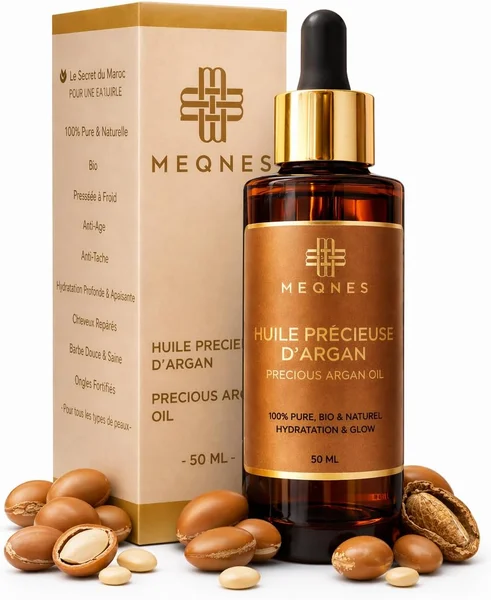
✨ Our Recommendation
Pure Organic Argan Oil – 100% Natural
Face, Hair & Nails – Anti-Wrinkle, Radiance & Hydration – Amber Glass Bottle 50ml
Buy Now →