Natural Cosmetics: Should You Make Them at Home or Buy Organic in Stores?
Torn between making your own natural cosmetics at home or buying ready-to-use organic products? We break down the real savings, effectiveness, risks, and time investment to help you choose the best option.
You're eager to switch to natural cosmetics but wondering if making them yourself is really cost-effective and efficient, or if it's better to buy them ready-made from an organic store? Balancing savings, safety, and time, we've tested it all for you and are sharing everything we wish we'd known before diving in.
Making Your Own Cosmetics: The Promise vs. Reality
We often think that crafting your own products guarantees savings and ultra-fresh ingredients. That’s true, but not without some trade-offs. The first snag is time: you need to plan for multiple steps, precise measurements, and proper equipment.
Not to mention the microbiological risk. Without suitable preservatives, your creations might develop bacteria and mold, which can be harmful to your skin.
And will your homemade products be as effective as store-bought ones? Not always. Effectiveness often depends on ingredient quality, the right combinations, and the stability of the final product.
The Benefits of Natural Cosmetics Bought in Organic Stores
Organic products sold in stores are formulated by experts, undergoing stability, efficacy, and safety tests. You save a lot of time and can trust the quality and shelf life.
As for cost, the initial investment might seem higher, but you have to factor in the price of ingredients, equipment, and the time spent when making your own.
If you make products regularly, you can amortize these costs, but for occasional use, buying organic from a store remains more economical and convenient.
⚠️ Avoid: purchasing too many or exotic ingredients before you’re sure of your commitment; this can quickly inflate your bill without guaranteed results.
Microbiological Risks and Safety: A Crucial Point
Homemade cosmetics without proper preservatives are a breeding ground for bacteria, especially those containing water. This can cause irritation, allergies, or even infections.
Organic products bought in stores undergo strict tests ensuring their stability and safety—a real trust factor, especially if you have sensitive skin.
Our Verdict: When It’s Worth It and When It’s Not
Best homemade: pure plant oils, simple balms made with wax and oil, water-free recipes—to experiment and control your ingredients.
Best to buy: creams, lotions, complex serums—especially if you’re short on time or worried about irritation risks.
💡 Our tip: combine both! Use a homemade plant oil to nourish your skin and buy an organic cream for hydration. This mix saves time and maximizes benefits.
The Historical Context of Natural Cosmetics
Making natural cosmetics at home has roots in ancient traditions, where plants and plant oils were the only ingredients available. Before industrialization, every family prepared balms, ointments, and lotions following recipes passed down through generations. This practice was both an art and a necessity, in the absence of commercial products. Today, the renewed interest in natural cosmetics reflects a desire to return to simplicity and respect for the skin and environment, in response to the rise of chemicals in industrial formulations.
At the same time, the organic cosmetics sector in stores has grown significantly, driven by stricter regulations and ingredient certifications. These products benefit from advanced research to ensure efficacy and safety, which wasn’t always possible with DIY. Understanding this context helps grasp the strengths and limits of each approach.
Tactical Considerations When Choosing Cosmetics
Choosing between making your own natural cosmetics or buying organic in stores means balancing sometimes conflicting priorities: budget, time, safety, and effectiveness. Tactically, it’s about defining your real needs and constraints. For example, if you have sensitive or allergy-prone skin, relying on tested and certified organic products is often essential to minimize intolerance risks.
Conversely, for simple, occasional use, some homemade products like pure plant oils or balms offer an effective and economical alternative. This tactic lets you experiment without heavy commitment while controlling ingredients. The right balance depends on each user’s profile, expertise level, and available time.
Impact on Daily Life and Future Perspectives
Adopting a natural cosmetic routine, whether homemade or store-bought, affects daily life. DIY requires regular commitment—preparation, storage, and quick application to avoid contamination. For some, it becomes a joyful creative moment; for others, an added hassle.
On the other hand, buying organic in stores simplifies the routine, offering ready-to-use products backed by certifications. In the long run, the natural cosmetics market continues to expand, with increasingly innovative, eco-friendly, and health-conscious offerings. Future trends include wider access to organic formulas, greater ingredient transparency, and hybrid solutions combining the best of both worlds.
In Summary
Honestly, here’s what no one tells you: making your own natural cosmetics is a real time and discipline commitment, with genuine risks if you don’t master the basics. Buying organic in stores is safer, more convenient, and often more economical over time when considering the time invested.
Our advice: if you take away only one thing, prioritize simple plant oils for homemade use, and trust certified organic formulas for more complex care. It’s the best balance between safety, effectiveness, and enjoyment.
We’ve sorted it out for you: here’s what’s truly worth it for natural beauty without compromise.
✨ Our Recommendation
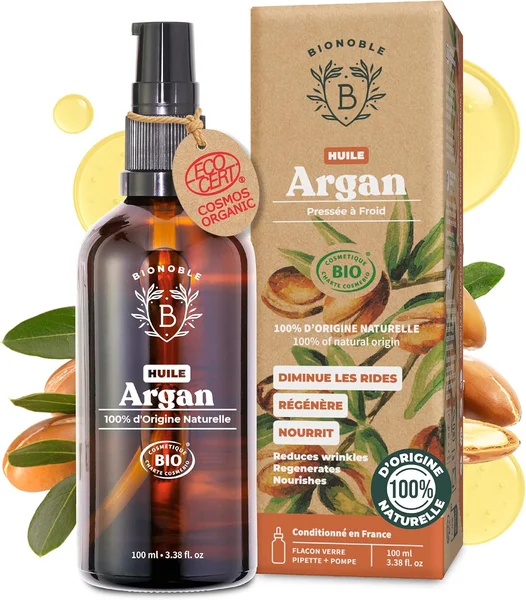
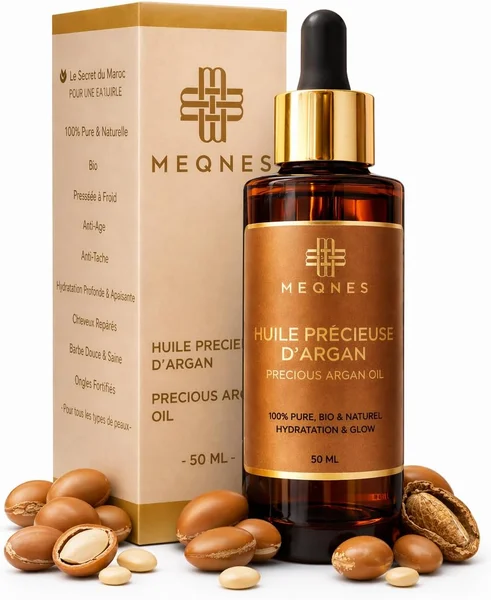
100% Pure Organic Argan Oil, Cold-Pressed from Morocco
Repairs and Nourishes, Anti-Aging - Argan Oil for Hair, Face, Body - Vegan, Hexane-Free
 FR
FR EN
EN