Lost in the maze of organic and natural labels for your cosmetics? We'll clearly explain what COSMOS and Ecocert certifications really guarantee, with practical tips you can apply right now.
Thinking about switching to natural and organic cosmetics but feeling overwhelmed by all these labels promising the world? Honestly, here’s what no one tells you: not all labels are created equal, and deciphering them can be a real headache. Yet, understanding what they actually guarantee is essential to avoid getting duped and to pick truly healthy products.
Why Are COSMOS and Ecocert Labels Essential?
The COSMOS and Ecocert labels are among the most recognized in Europe for certifying natural and organic cosmetics. But the real question before buying a product is: what do they actually mean, and what guarantees do they provide?
The COSMOS label, developed by several organizations including Ecocert, offers two distinct mentions:
- COSMOS Natural: at least 95% of ingredients must be of natural origin, with no controversial chemical ingredients.
- COSMOS Organic: in addition to natural criteria, a minimum percentage of ingredients from organic farming is required (at least 20%).
Ecocert, on its part, is a certifying body that helped define these standards and issues certifications by ensuring strict compliance with the specifications.
💡 Our Tip: opt for products with the COSMOS Organic label if you’re looking for truly organic cosmetics, and always check the percentage of organic ingredients listed on the packaging.
What COSMOS and Ecocert Really Guarantee
We’ve sorted it out for you: here’s what these labels concretely ensure in your bottles:
- Respect for natural formulations: prohibition of controversial synthetic ingredients like parabens, silicones, PEGs, mineral oils, and harsh synthetic fragrances.
- Ingredient traceability: the origin and quality of raw materials are controlled, especially for organic ingredients.
- Environmental respect: manufacturing methods limit ecological impact, with strict rules on waste discharge and water consumption.
- Ingredient transparency: labels must detail the composition, with a maximum of natural and organic ingredients.
Note that COSMOS is not a 100% organic label. The Natural mention guarantees a natural product but not necessarily organic, while Organic requires a minimum percentage of organic ingredients.
⚠️ Avoid: relying solely on the "natural" mention without checking for the official COSMOS or Ecocert label. Some products use this term without strict control.
How to Read a COSMOS or Ecocert Label on a Product?
To avoid getting tricked, here are our practical tips when buying a natural cosmetic:
- Make sure the COSMOS or Ecocert logo is clearly visible on the packaging.
- Look for the "Natural" or "Organic" mention under the logo to understand the level of requirement.
- Check the INCI list to verify the presence of organic ingredients (sometimes marked with an asterisk *).
- Look at the percentages of organic ingredients indicated on the label; they must be at least 20% for COSMOS Organic.
- Be mindful of additional labels like Nature & Progrès, which is even more demanding but less common.
💡 Our Tip: use mobile ingredient scanning apps to instantly check the compliance of the natural cosmetics you’re buying, especially if you’re torn between several products.
Limitations to Know About Natural and Organic Labels
Honestly, here’s what no one tells you: no label guarantees a perfect product 100%. Sometimes, the specifications allow tolerated but not ideal ingredients.
Here are some points to watch out for:
- Labels don’t necessarily guarantee the total absence of natural allergens or authorized synthetic preservatives.
- Organic percentages can be low in some products, especially in perfumes or thickeners.
- The label doesn’t provide information about working conditions in supply chains, except for some highly committed labels like Nature & Progrès.
⚠️ Avoid: believing that a label completely eliminates the risk of irritation or skin reactions. Always do a patch test on a small area before use.
Our Verdict
If you have to remember just one thing, choose cosmetics certified COSMOS Organic by Ecocert for a good balance between naturalness and organic. It’s a serious guarantee that protects you better than simple "natural" mentions or greenwashing.
What we love: the rigor and transparency of these labels that help you navigate the jungle of natural cosmetics. What we like less: the sometimes overly technical complexity of the mentions, which can confuse consumers.
By adopting this simple decoding, you’ll finally be able to make informed choices and invest in natural care that respects your skin and the planet.
According to available data, COSMOS and Ecocert labels currently offer the best quality guarantee for natural and organic cosmetics in Europe. We strongly recommend trusting them rather than vague promises without certification.
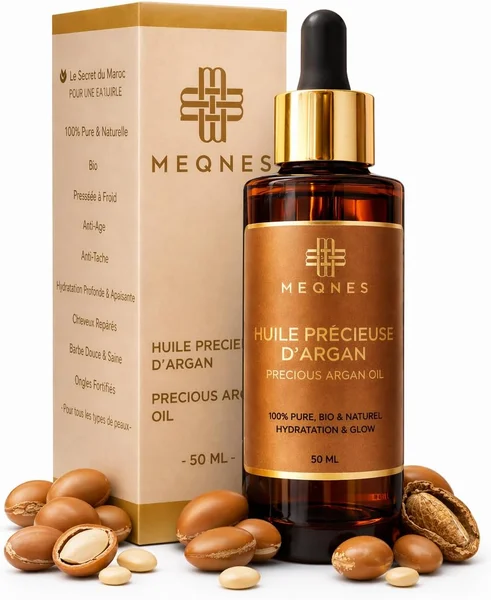
✨ Our Recommendation
Pure Organic Argan Oil – 100% Natural
Face, Hair & Nails – Anti-Wrinkle, Radiance & Hydration – Amber Glass Bottle 50ml
Buy Now →