Dreaming of natural cosmetics but torn between DIY and buying from organic shops? We're breaking down the real costs, effectiveness, and pitfalls to avoid.
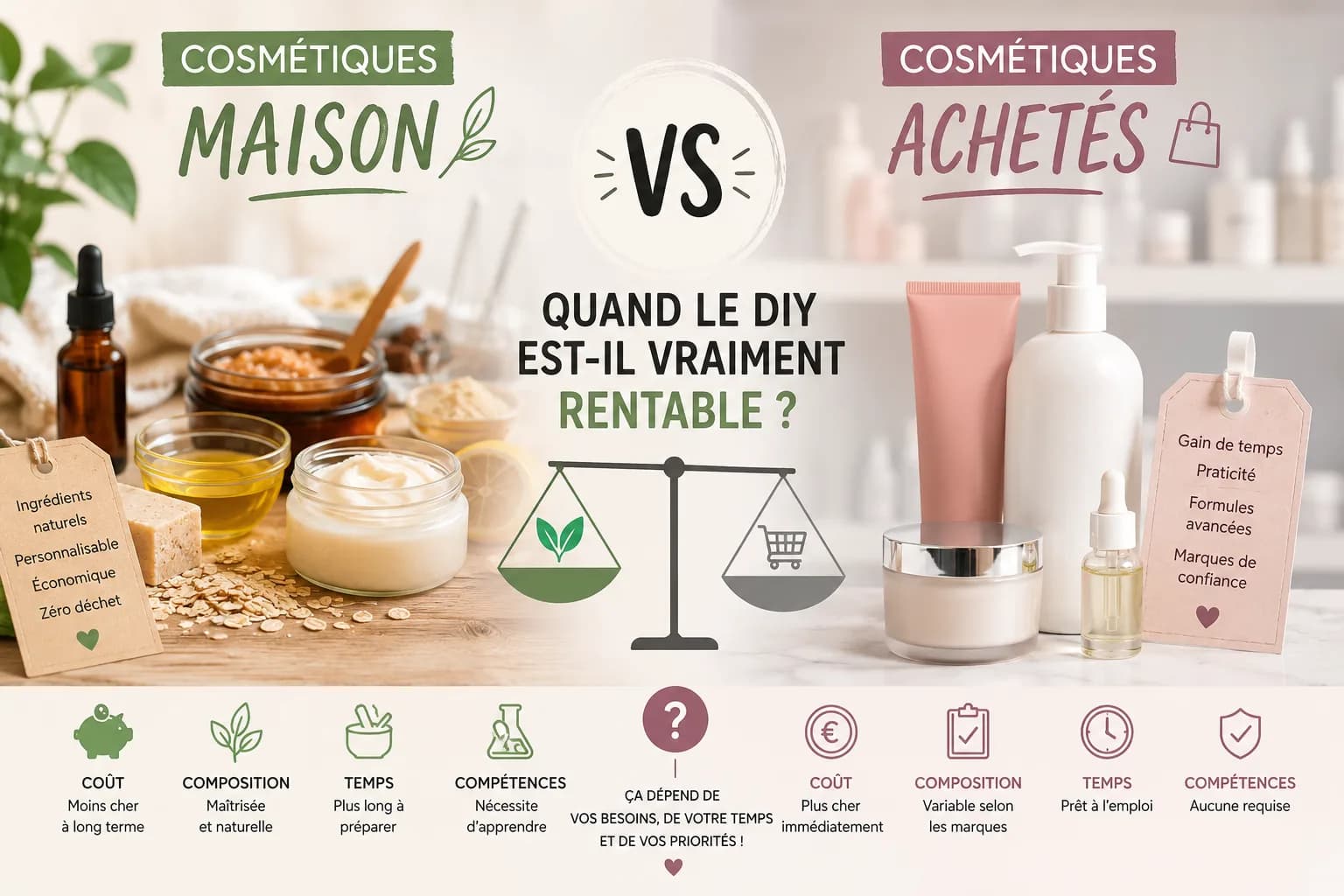
The homemade natural cosmetics trend has you tempted, but you're wondering if it's really a good idea? Between the time spent, the cost of ingredients, and the actual effectiveness, the math isn't always simple. We've taken a closer look at what goes into DIY versus buying from specialty stores to help you see things more clearly.
Homemade Cosmetics: Real Savings or an Illusion?
On paper, making your own skincare seems like the royal road to saving money. You buy plant oils, hydrosols, butters, and voilà, you have a cream or serum for a fraction of the store price. But is that always the case?
We need to look beyond just the cost of raw materials. The price of a finished product in a store includes research, development, safety testing, packaging, marketing, and the retailer's markup. When you make things yourself, these costs are often forgotten, which skews the comparison.
Furthermore, to achieve noticeable results and good preservation, you often need to use concentrated active ingredients, effective natural preservatives, or specific emulsifiers. These ingredients, while necessary, can quickly drive up the cost, especially if you only use small amounts and the rest sits in the jar for months.
Effectiveness: Can Homemade Compete?
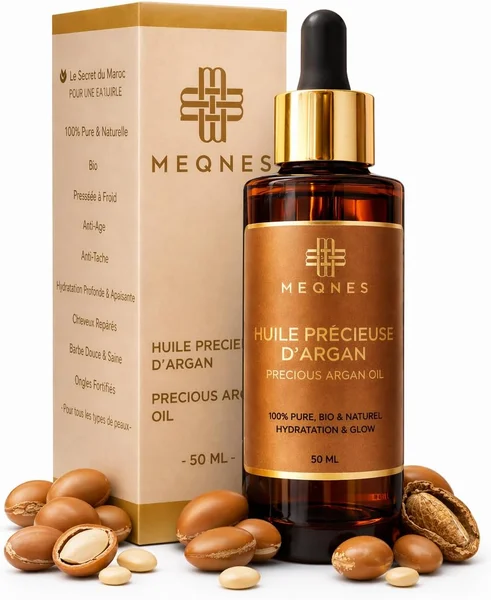
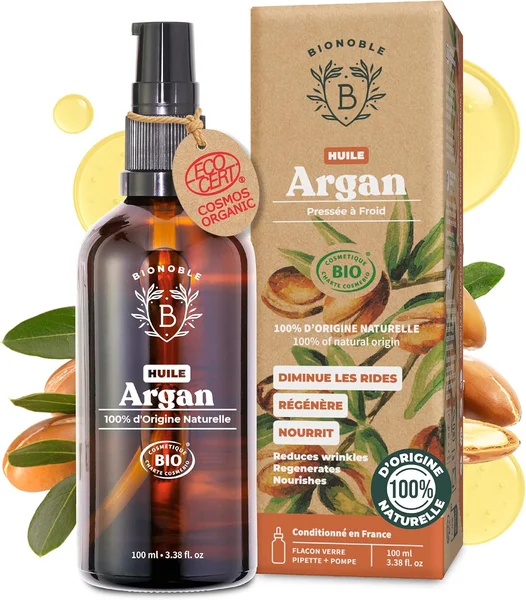
This is THE big question. Can you really achieve the same effectiveness as professional formulas, often developed by cosmetic chemists? The answer is... it depends. If you use exceptional raw ingredients, like pure argan oil or high-quality Damask rose hydrosol, you'll directly benefit from their inherent properties.
However, commercial formulas often have the advantage of being optimized. Ingredients are chosen for their synergy, bioavailability, and ability to penetrate the skin. Additionally, active ingredient concentrations are generally higher and better stabilized in store-bought products.
For DIY, you need a good understanding of ingredients and their interactions. A poor formulation can not only be ineffective but also potentially irritating. The absence of adequate preservatives also poses a major problem regarding microbiological risks.
⚠️ Avoid: Never use homemade preparations without preservatives for facial or body care. The risk of bacterial and mold proliferation is very high, especially if the product contains water. This can lead to serious skin infections.
Time Invested vs. Results Achieved
Let's be honest: making your own cosmetics takes time. You need to research recipes, buy ingredients, weigh, mix, heat, cool, transfer... All of this can take several hours, or even a whole day for more complex preparations.
Is this time well spent? If your goal is the pleasure of creating, complete control over your ingredients, or a hyper-eco-friendly approach (reducing packaging), then yes. But if you're primarily looking for effective and quick-to-use treatments, the time spent can seem disproportionate to the immediate benefits.
Store-bought products, on the other hand, are ready to use. They easily fit into a beauty routine, with no extra effort. For busy people or those lacking patience, this is a significant advantage.
💡 Our tip: If you're new to DIY, start with simple recipes like clay-based masks or body scrubs. For more complex facial treatments, opt for certified organic and natural products to ensure safety and effectiveness.
Microbiological Risks: The Downside of DIY
This is an aspect often overlooked by DIY enthusiasts, but it's crucial. Formulations containing water (hydrosols, aloe vera, etc.) are perfect breeding grounds for bacteria and fungi. Without effective preservatives at the right concentration, your preparations can spoil very quickly.
Cosmetic products sold commercially undergo rigorous testing to ensure their stability and microbiological safety. They contain effective preservation systems, often natural but scientifically validated, which protect the skin from microbial damage.
The real question is: do you have the knowledge and equipment necessary to guarantee the safety of your own preparations? If the answer is no, it's safer to turn to certified products.
When DIY is Truly Worth It
There are cases where DIY is an excellent option. For example, for occasional, water-free treatments:
- Body scrubs: a mix of sugar or salt with a vegetable oil (coconut, sweet almond) and a few drops of essential oil. Easy, quick, and economical.
- Clay masks: mix clay with water or a hydrosol. Use immediately.
- Simple lip balms: based on beeswax, shea butter, and a vegetable oil. No major microbiological risk as they are water-free.
For these types of products, the benefits of DIY are real: controlled cost, known ingredients, customization possible, and no risk of contamination if prepared and stored correctly (away from moisture and heat).
Our Verdict
Honestly, here's what nobody always tells you: DIY isn't always the miracle solution it's made out to be. While for simple steps like scrubs or clay masks, DIY is an interesting and economical path, it becomes riskier and less profitable for complex facial treatments.
Formulating creams, serums, or lotions requires expertise and specific ingredients (preservatives, emulsifiers) that can quickly make the cost price higher than a good product bought from an organic store. Not to mention the microbiological risks that can seriously compromise your skin's health.
Our advice: If you're committed to the natural and organic aspect, opt for certified cosmetics. Look for brands that are transparent about their ingredients and manufacturing processes. For the joy of creating, stick to DIY for occasional water-free treatments or masks to be used immediately. True beauty also lies in safety and proven effectiveness!
 FR
FR EN
EN