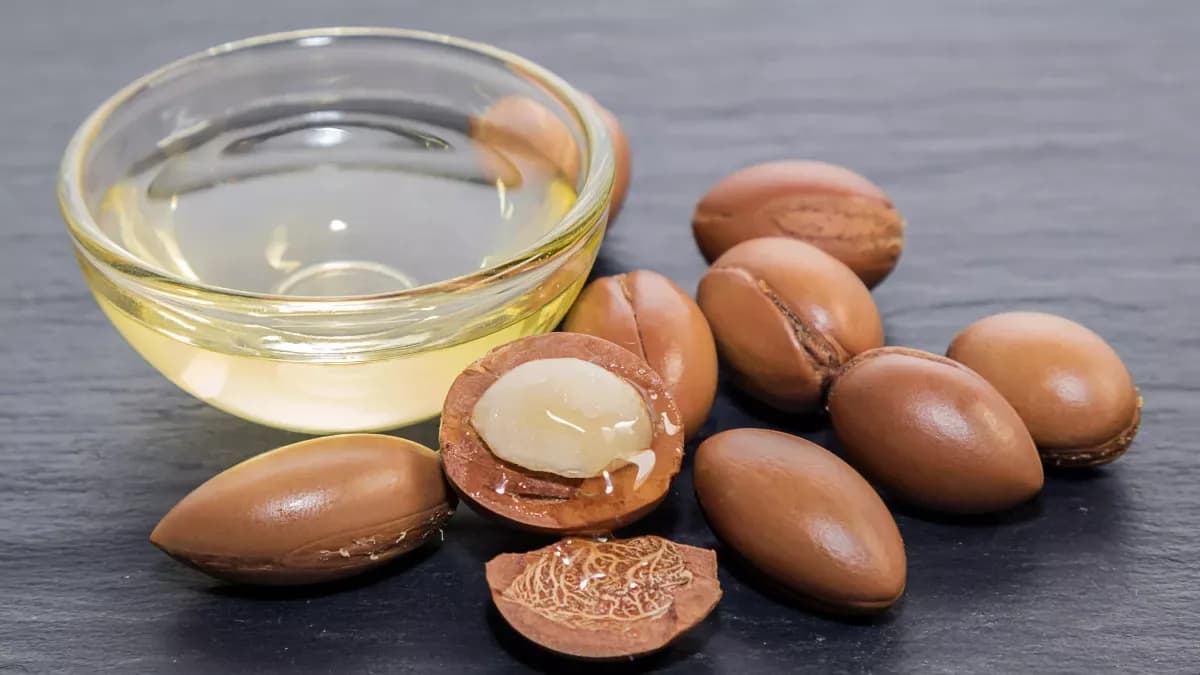
Argan oil, often called "liquid gold of Morocco," is renowned for its exceptional benefits in cosmetics and cooking. Extracted from the kernels of the argan tree, it is rich in essential fatty acids, vitamin E, and antioxidants. This comprehensive guide explains how to use it effectively for your hair, face, body, as well as in cooking, while respecting the necessary dosages, frequencies, and precautions.
Using Argan Oil for Hair
Dosage and Application
To nourish and revitalize your hair, apply 2 to 5 drops of argan oil depending on the length and thickness of your hair. Here’s how to proceed:
Put a few drops in the palm of your hand.
Rub your hands to slightly warm the oil.
Distribute the oil, focusing on the ends and dry areas.
One-Hour Hair Mask
For deep care, make a hair mask with argan oil:
Generously apply 5 to 10 drops on dry or slightly damp hair.
Wrap your hair in a warm towel or plastic cap to promote penetration.
Leave on for 1 hour.
Then wash with a mild shampoo.
Frequency of Use
For regular maintenance, apply argan oil 2 to 3 times a week. As a mask, once a week is enough to strengthen and intensely hydrate your hair.
Mistakes to Avoid
Do not apply too much oil, as it can weigh hair down and make it greasy.
Avoid applying oil on dirty hair for better absorption.
Do not leave the oil on too long without rinsing during the mask to avoid a greasy effect.
Using Argan Oil for the Face
Dosage and Application
To nourish and protect your skin, apply 2 to 3 drops of argan oil in the evening:
Cleanse and tone your face.
Place 2 to 3 drops of oil in the palm of your hand.
Gently tap onto the face and neck, avoiding the eye contour.
You can mix the oil with your night cream for better hydration.
Frequency of Use
Use argan oil every evening to benefit from its regenerating and anti-aging effects. You can also use it in the morning if your skin is dry, but in small amounts.
Mistakes to Avoid
Do not apply too much oil to avoid a shiny effect or clogged pores.
Avoid applying on acne-prone skin without prior dermatological advice, as the oil can be comedogenic for some people.
Do not use argan oil that is not pure or mixed with chemical products that could irritate the skin.
Using Argan Oil for the Body
Dosage and Application
After showering, when the skin is still slightly damp, apply argan oil for optimal hydration:
Pour 5 to 10 drops of oil into your palm.
Rub your hands together then apply all over the body with circular motions.
Focus on dry areas such as elbows, knees, and heels.
Frequency of Use
To keep skin soft and supple, apply argan oil daily after showering.
Mistakes to Avoid
Do not apply oil on irritated or damaged skin without medical advice.
Avoid overdosing to prevent leaving a greasy or slippery film.
Culinary Use of Argan Oil
Usage Precautions
Edible argan oil is highly appreciated for its unique taste and nutritional benefits. However, it is important to follow certain rules:
Do not heat the oil: Argan oil should be used cold to preserve its nutritional qualities and aroma.
Ideal for seasoning salads, couscous, cooked vegetables, or for dipping bread.
Dosage and Frequency
Use about 1 to 2 tablespoons of argan oil per meal. It can be consumed daily as part of a balanced diet.
Mistakes to Avoid
Never use argan oil for frying or high-temperature cooking.
Avoid using argan oils not certified as food-grade for cooking.
General Tips for Choosing and Storing Argan Oil
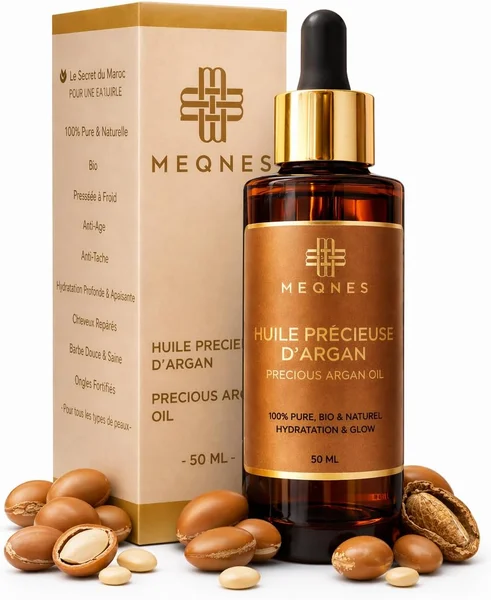
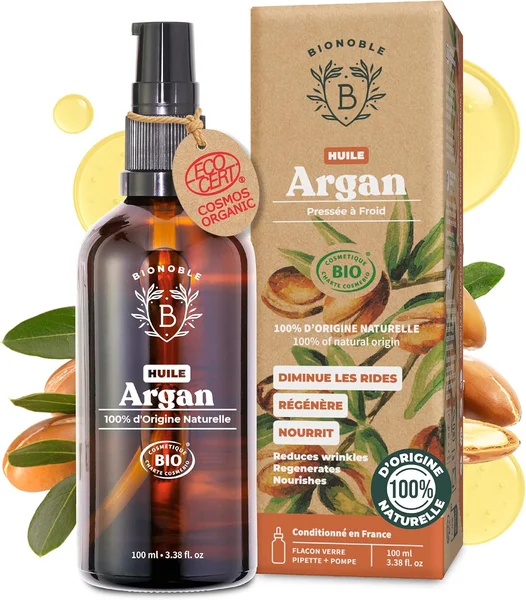
Choose a pure and organic oil: Prefer virgin argan oil, cold-pressed to ensure quality and effectiveness.
Storage: Keep the oil in a dark glass bottle, away from light, heat, and humidity.
Expiration date: Use the oil within 6 to 12 months after opening to preserve its qualities.
Conclusion
Argan oil is a versatile natural care product that can enhance your beauty routine and cooking when used correctly. By respecting the recommended dosages, application frequency, and avoiding common mistakes, you will fully enjoy its benefits for your hair, face, body, and palate.
Incorporate argan oil into your daily life for natural beauty and healthy eating, while honoring a treasure of Moroccan nature.
 FR
FR EN
EN