How to Make Your Own Natural Facial Serum with Plant Oils
Want to create a natural facial serum perfectly tailored to your skin? We'll guide you through choosing plant oils, measuring actives, and ensuring proper preservation for an effective and safe homemade skincare product.
Looking to make a natural facial serum but not sure where to start? With so many plant oils to choose from, active ingredient dosages, and preservation concerns, it can quickly feel overwhelming. Honestly, here’s what no one tells you: formulating an effective and stable serum requires some method, or else you risk skin reactions or your product going bad after just a few days.
Oily Bases: Choosing the Right Plant Oil
First and foremost, the real question before buying a plant oil for your serum is: what’s my skin type and what result am I aiming for? Not all oils suit every skin type.
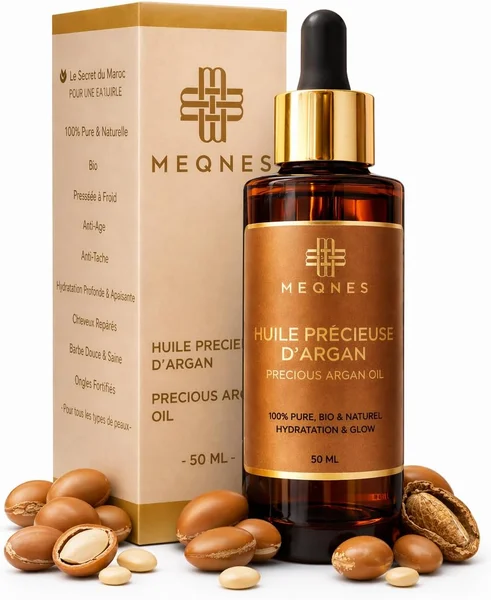
Dry skin: opt for argan, avocado, or borage oil, rich in essential fatty acids and deeply nourishing.
Combination to oily skin: jojoba, black seed, or hazelnut oil are ideal as they regulate sebum without clogging pores.
Sensitive skin: calendula or chamomile oil soothes and reduces inflammation.
Avoid heavy or comedogenic oils if you’re prone to breakouts. Quality is key too: choose 100% pure, virgin, cold-pressed oils to keep all their benefits intact.
💡 Pro tip: Buy your oils in small amounts and in tinted glass bottles to prevent oxidation.
Plant Actives to Add: How to Dose Them Properly?
A homemade serum isn’t just about oil. You can boost its effectiveness by adding plant extracts or essential oils, but watch your dosages.
Sterilize all containers and tools (70° alcohol recommended).
Weigh each ingredient precisely with a precision scale.
First mix concentrated actives (vitamin E, essential oils) into a small amount of oil.
Add the rest of the plant oil and gently homogenize.
Transfer into a tinted glass dropper bottle.
Label with the manufacturing date.
Store your serum away from light and heat, ideally in a cool place, to prevent rancidity.
💡 Pro tip: For better absorption, apply your serum on slightly damp skin.
Preservation and Shelf Life: Don’t Let Your Serum Go Bad
One of the DIY pitfalls is preservation. Unlike commercial cosmetics, your homemade serum doesn’t contain strong chemical preservatives.
Average shelf life: 3 to 6 months depending on ingredient quality and storage conditions.
Watch for smell and color: oil that smells rancid or becomes cloudy should be discarded.
Prefer opaque bottles and droppers to minimize air exposure.
Avoid making large batches; it’s better to prepare a small bottle every 2-3 weeks to ensure product freshness.
⚠️ Avoid: Never store your serum near heat sources or in direct sunlight.
Extra Benefits of Plant Oils: Surprising Perks
Beyond hydration, some plant oils have specific properties that can turn your serum into a targeted treatment. For example, rosehip oil is renowned for its anti-aging benefits thanks to its richness in essential fatty acids and vitamin A, which promote cell regeneration. Camelina oil, less known, is very effective at soothing irritated skin and strengthening the skin barrier. Including these oils in your formula can help you address your skin’s needs more precisely.
Safety Precautions: Prioritize Safety and Tolerance
It’s crucial to remember that even natural ingredients can cause unwanted reactions. Always perform an allergy test on a small skin patch before full-face use to ensure your serum is well tolerated. Also, some essential oils are not recommended for pregnant or breastfeeding women, nor for children. So, make sure to research thoroughly and consult a professional if needed before adding these actives to your mix. Safety comes first through a clear understanding of ingredients and their possible interactions.
The Environmental and Economic Impact of DIY Cosmetics
Making your own facial serum not only gives you full control over ingredients but also supports a more eco-friendly approach. By avoiding excess packaging, harsh chemical preservatives, and mass transportation, you reduce your ecological footprint. Plus, crafting your serum often saves money, especially when you choose versatile plant oils and natural actives. This approach encourages more conscious and responsible consumption focused on quality over quantity.
In Summary
Making your own facial serum with plant oils is 100% doable and rewarding, as long as you follow a few simple rules. The key isn’t just picking the right ingredients but mastering dosages and ensuring proper preservation. Our top tip: if you remember only one thing, prioritize the quality of your base oils and avoid overloading your formula with concentrated actives to prevent irritation.
What we love: total customization, ingredient control, and product freshness. What’s less fun: the need for strict discipline and the risk of poor preservation if you’re not careful.
We’ve done the hard work for you: here’s what’s really worth it for a safe and effective homemade serum. Test, tweak, but above all, listen to your skin!
 FR
FR EN
EN