How to Decode COSMOS and Ecocert Labels for Your Natural and Organic Cosmetics
Lost in the jungle of natural and organic cosmetic labels? We honestly explain what COSMOS Natural, COSMOS Organic, and Ecocert really guarantee so you can confidently choose your skincare.
Want to switch to natural cosmetics but quickly feel overwhelmed by all the acronyms and labels on the packaging? COSMOS, Ecocert, Nature & Progrès… we’ll be honest, we struggled to understand what these certifications really mean, what they actually guarantee, and most importantly, how to pick a trustworthy product without getting duped. Honestly, here’s what no one tells you: not all labels are created equal, and it’s crucial to know how to decode them to avoid greenwashing.
Why are COSMOS and Ecocert labels essential?
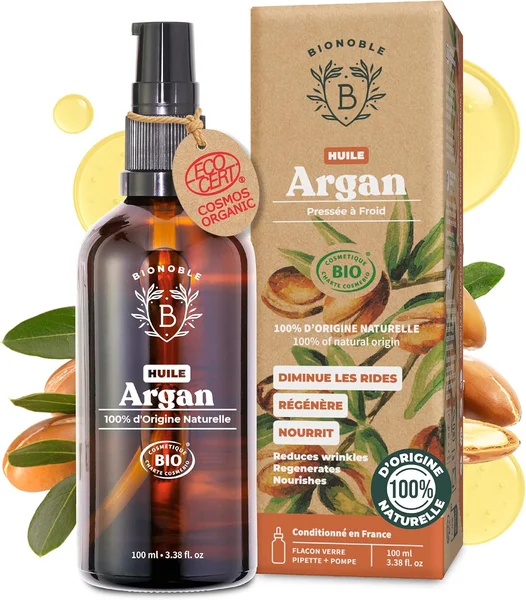
In the wild world of natural and organic, the label is supposed to be your compass. COSMOS has become the major European benchmark for natural and organic cosmetics, and Ecocert was one of the French pioneers. But these labels don’t guarantee the same things, and that makes all the difference when choosing your argan oil or face cream.
COSMOS Natural certifies a product with at least 95% natural or naturally derived ingredients, without requiring organic content.
COSMOS Organic requires a minimum of 20% organic ingredients in the finished product (at least 10% in total ingredients) plus a very strict specification.
Ecocert, which is also a certification body, created its own organic label before joining COSMOS. It guarantees at least 95% natural ingredients and a minimum of 10% organic.
💡 Our tip: For truly organic care, opt for products with the COSMOS Organic or Ecocert BIO label — it guarantees at least 20% organic ingredients.
What labels often hide from you
The real question before buying is: has the brand been transparent about the ingredients and their origins, or is it just a marketing trick? Many brands play on having a small organic percentage in an almost industrial product.
A product can be labeled COSMOS Natural without containing a single organic ingredient.
The label doesn’t always guarantee the absence of controversial substances like certain preservatives or synthetic fragrances, although COSMOS standards tend to limit them.
The ingredient list must be accessible and clear; if not, run away.
⚠️ Avoid: Don’t rely solely on the logo prominently displayed on the packaging without checking the exact COSMOS Natural or Organic mention, nor on self-proclaimed labels without independent certification.
Other labels to know: Nature & Progrès and their radical standards
If you’re really picky, the Nature & Progrès label is an alternative with more radical demands. It notably requires:
Strict organic farming, local as much as possible.
Artisanal and environmentally respectful production.
Total transparency on traceability.
It’s the purists’ label, but beware, it’s less common and often pricier.
We’ve sorted it out for you: here’s what’s really worth it when you want natural and organic skincare with reliable labels:
Favor cosmetics with the COSMOS Organic label — it’s the best European guarantee.
Always check the INCI list to avoid dubious ingredients even in certified products.
Avoid brands that play with in-house labels without independent certification.
For vegetable oils like argan oil, choose those that clearly display their organic certification and origin.
💡 Our tip: Download the INCI Beauty app to scan your products and check their composition in one click — a real time-saver.
The origin story of natural and organic cosmetic labels in Europe
The development of natural and organic cosmetic labels fits into a European movement aimed at harmonizing standards to protect consumers. Before COSMOS arrived in 2010, the sector was fragmented with several national and private labels causing major confusion. COSMOS was born from a collaboration between several European certification bodies, including Ecocert, to establish a common and reliable framework.
This approach helped build consumer trust by ensuring transparency and consistency in evaluation criteria. Moreover, growing environmental and health expectations pushed stakeholders to adopt stricter standards. This historical context explains why COSMOS is now the go-to standard for natural and organic cosmetics in Europe, and why Ecocert, as a pioneer, remains a key player.
The strategic stakes behind choosing a label
Choosing a label isn’t just about the percentages of organic or natural ingredients; there’s also marketing and commercial strategy involved. Brands sometimes opt for a less demanding label like COSMOS Natural to offer products at a more accessible price while benefiting from a natural image. Others prefer to invest in COSMOS Organic to attract a more discerning clientele willing to pay more for stronger guarantees.
You also have to consider formulation impact: some ingredients, even effective ones, aren’t allowed under organic standards, forcing manufacturers to rethink their formulas. This technical constraint also affects texture, preservation, and product efficacy. In short, the chosen label is a compromise between authenticity, product performance, and market positioning.
Perspectives and impact on the Moroccan natural cosmetics market
Morocco, rich in natural resources like argan oil, is seeing significant growth in demand for natural and organic cosmetics. Recognition and adoption of European labels like COSMOS and Ecocert play a key role in accessing international markets and reassuring increasingly demanding local consumers.
This trend pushes local producers to adapt to international standards, which can be challenging in terms of costs and certification. However, it’s also an opportunity to highlight traditional know-how and promote a more responsible and sustainable Moroccan cosmetic industry. Ultimately, these labels could become a major lever for the sector’s economic and environmental development.
In summary
Honestly, COSMOS Organic is our go-to label when looking for reliable natural and organic cosmetics. It combines European rigor with transparency on organic ingredient content, which is essential for truly effective and skin-friendly care.
COSMOS Natural is a good start, but without organic guarantees, it can mask a less virtuous product. As for Ecocert, it remains a serious mark but is now often integrated within COSMOS.
And above all, remember that certification is an important filter but not an absolute guarantee. Always check the composition, origin, and test your skin. That’s the real key to adopting a natural beauty routine that truly suits you.
✨ Our Recommendation
100% Pure Organic Argan Oil, Cold-Pressed from Morocco
Repairs and Nourishes, Anti-Aging - Argan Oil for Hair, Face, Body - Vegan, Hexane-Free
 FR
FR EN
EN