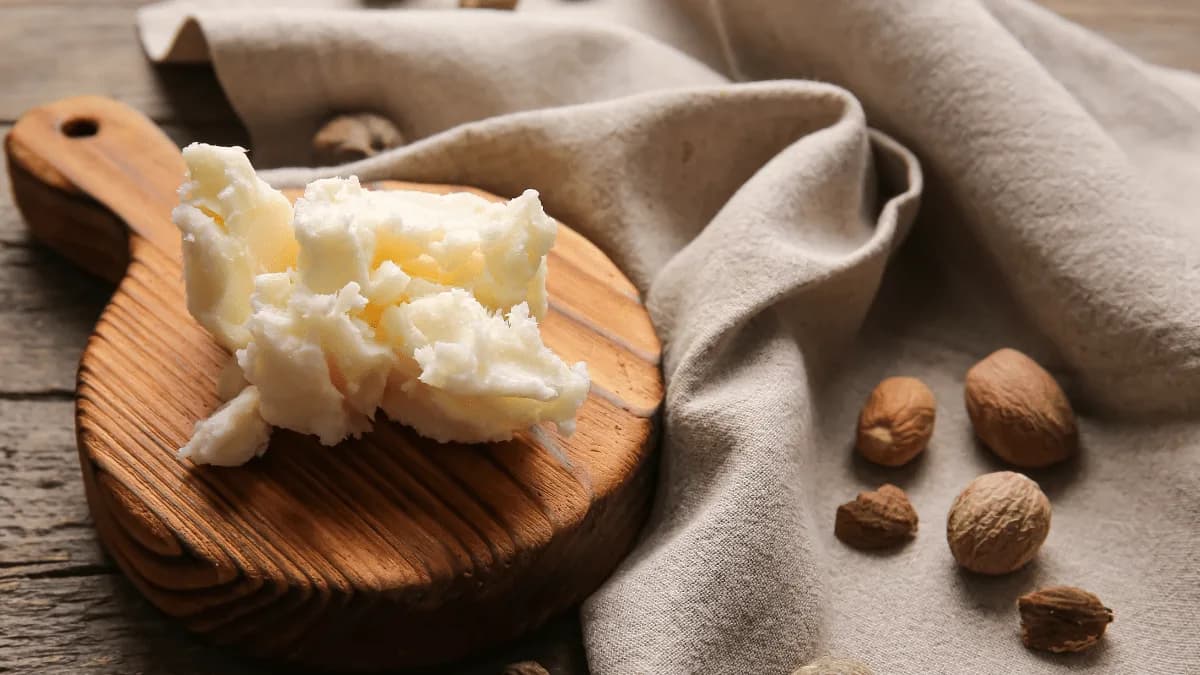
Having trouble with dry skin or nourishing your hair? Discover the incredible benefits of shea butter for natural skin and hair care. We'll tell you everything!
Dry skin, irritation, or frizzy and dry hair? It's a daily struggle for many of us. But imagine being able to treat these issues with a natural and powerful ingredient. And what if we told you there's a miracle solution? Yes, it's shea butter, a vegetable oil extracted from shea nuts in Africa. This natural product is known for its moisturizing and healing properties, but do we really know how to use it effectively? We've tested it for you.
The Benefits of Shea Butter for Skin
Shea butter is the perfect ally for hydrating and protecting the skin. Thanks to its richness in essential fatty acids, it forms a protective barrier on the epidermis, limiting water evaporation and strengthening the natural hydrolipidic film of the skin.
💡 Our Tip: Apply shea butter to your skin in the evening after using your argan oil for a hydrating and nourishing effect.
The Benefits of Shea Butter for Hair
Rich in vitamin E and antioxidants, shea butter is ideal for dry and frizzy hair. It stimulates hair growth, strengthens its structure, and protects it from environmental damage.
⚠️ To Avoid: Do not use it directly on your hair without dilution, as it can be too greasy and weigh down your strands.
For the skin: Apply a small amount to dry or irritated areas (face, hands, heels) and massage gently.
For hair: Mix with argan oil for a nourishing and hydrating treatment. Apply to the lengths and let it sit for an hour before rinsing.
As a beauty ritual: Combine shea butter with essential oils to create a personalized care based on your needs.
The Historical and Cultural Context of Shea Butter
Shea butter has a long history in Africa, where it has been used for centuries for its cosmetic and medical properties. Besides being an essential ingredient in beauty routines, it plays an important role in the culture and economy of many African countries. Traditionally, shea butter is prepared by hand by women, who often sell it at local markets.
The shea nut, from which the oil is extracted, is a valuable resource not only for its oil but also for its economic value. It generates significant income for rural communities, particularly in countries like Burkina Faso, Ghana, and Ivory Coast.
The Environmental Challenges Related to Shea Butter Extraction
The shea butter industry, although essential, is not without challenges. Over-exploitation of shea nuts can threaten forests and local ecosystems. However, many companies are committed to sustainable production by minimizing environmental impact and working with local communities to preserve natural resources.
The Extraction and Production Process
Shea butter is obtained from shea nuts, which are first harvested, dried, and crushed. The oil is extracted through a pressing or rubbing process, which can vary depending on whether traditional or industrial methods are used.
The quality of shea butter depends on several factors, including the type of nut used, the extraction process, and storage conditions. High-quality shea butter should be pure, free from chemical additives, and stored under appropriate conditions to preserve its natural properties.
In Summary
S Shea butter is a must-have in your natural beauty routine. Its moisturizing and nourishing power is unmatched, and using it with argan oil can truly transform your skin and hair. However, it's important to use it correctly to avoid unwanted effects.
✨ Our Recommendation
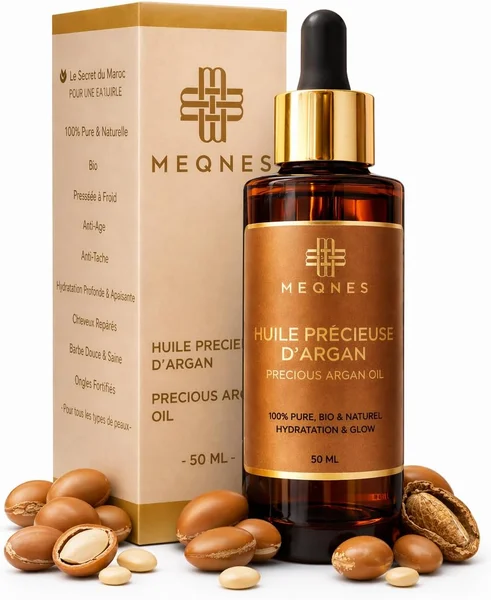
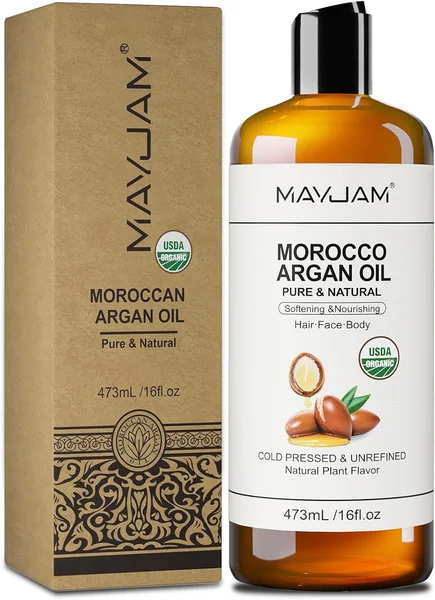
Pure Bio Argan Oil – 100% Natural
For Face, Hair & Nails – Anti-Aging, Glow & Hydration – Amber Glass 50ml
 FR
FR EN
EN