White Kaolin Clay: The Perfect Purifying Mask for Sensitive and Reactive Skin
Do you have sensitive skin that flushes at the slightest touch? The white kaolin clay mask is a gentle yet effective way to purify without irritation. We’ll explain how to use it and how often for a calm, radiant complexion.
Do you have sensitive, often reactive skin and are looking for a purifying mask that won’t dry out or irritate it? We know the struggle: every product promises clear skin but often ends up leaving tightness or redness. Honestly, here’s what no one tells you about white kaolin clay and why it could become your best beauty ally.
Why White Kaolin Clay Is Perfect for Sensitive Skin
White kaolin clay is known for its gentle nature and purifying properties without being harsh. Unlike green or red clays that are more absorbent, it deeply cleanses while respecting the fragile skin barrier of sensitive and reactive skin.
Up to twice a week if your skin is combination with sensitive areas
Avoid making it a daily ritual, even if your skin seems oily
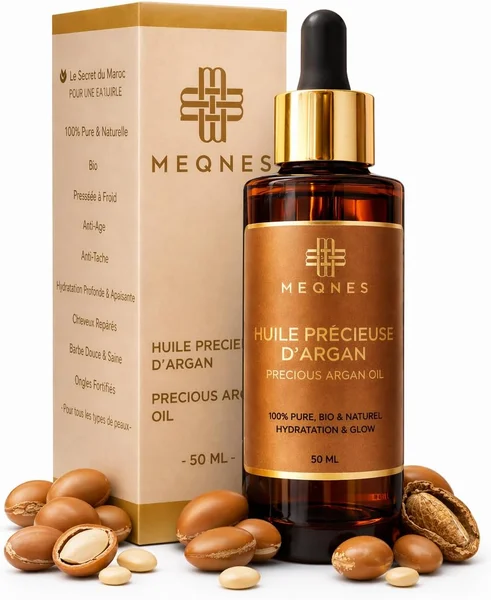
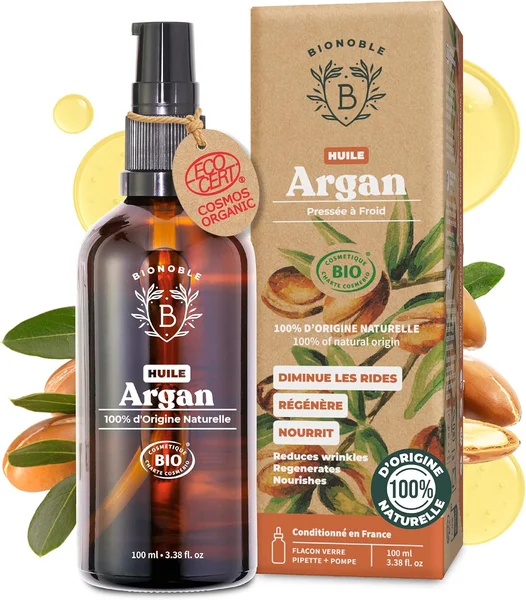
💡 Our Tip: After the mask, apply a light vegetable oil like argan oil to restore the hydrolipidic film and extend comfort.
Common Mistakes with White Kaolin Clay
We’ve sorted it out for you: here’s what’s really worth it and the traps to avoid.
Applying the mask on unclean or makeup-covered skin, which can clog pores
Using metal utensils to mix the clay, which can alter its properties
Leaving the mask on too long and letting it dry completely
Not moisturizing the skin after the mask
⚠️ Avoid: Skipping the post-mask hydration step, especially with sensitive skin, guarantees a rebound dryness effect.
A Bit of History: White Kaolin Clay Through the Ages
White kaolin clay gets its name from a Chinese mountain, Kao-ling, where it was first mined. Used for millennia, especially in traditional Chinese medicine, this clay is prized for its therapeutic and cosmetic virtues. In Europe, its use became popular in the 19th century, particularly in dermatological care, thanks to its unmatched gentleness. Its silica-rich composition gives it a unique ability to purify without aggression, which has appealed to many civilizations keen on preserving the health of their sensitive skin.
The Tactical Challenges When Choosing a Mask for Sensitive Skin
Choosing a mask for sensitive skin is a real tactical challenge: you need to find the right balance between effective purification and extreme gentleness. Sensitive skin often reacts poorly to harsh or overly absorbent ingredients, which can lead to inflammation or lasting redness. White kaolin clay fulfills this role with finesse, absorbing sebum without stripping the skin and soothing irritations thanks to its composition. That’s why it’s become the go-to solution in skincare routines tailored for fragile skin, allowing cleansing without compromising the essential skin barrier for skin health.
Impact on Skin Health and Future Uses
Regularly incorporating a white kaolin clay mask into your skincare routine promotes healthier, more balanced skin. Besides gently purifying, it acts as a natural anti-inflammatory and reduces skin sensitivity over time. The outlook is very promising for those who want to avoid harsh treatments while maintaining a clear, calm complexion. Moreover, combining it with complementary ingredients like hydrosols or vegetable oils opens the door to personalized care, suited to every type of sensitive skin. This versatility makes white clay a must-have for natural and respectful beauty.
In Summary
White kaolin clay is a must-have for anyone wanting to purify sensitive skin without hassle or side effects. What we love: its gentleness, purifying effectiveness, and natural soothing qualities. What we like less: the temptation to leave it on too long, which can quickly backfire.
We highly recommend this mask for a simple, quick, and skin-friendly weekly ritual. Honestly, here’s what no one tells you: with white kaolin clay, say goodbye to harsh masks that damage your skin, and hello to clear AND comfortable skin.
 FR
FR EN
EN